
Search smallrig.com...


Why You Need a Video Light: A Complete Guide for Content Creators
SmallRig 2026-04-23 02:40:39
Contents
Not every photo needs a flash. Sometimes, you just need a gentle nudge.
The Problem Nobody Talks About
When you're shooting video or taking photos in less-than-ideal lighting, the struggle is real. Your subject is backlit. The café corner you love is too dark. The golden hour slipped away faster than you expected.
And here's the thing—most people don't have a studio setup. Most people aren't shooting with $5,000 cinema cameras that can handle low light like magic.
Most people are shooting with what they have. And that's exactly where a video light earns its place in your bag.
When a Video Light Makes All the Difference
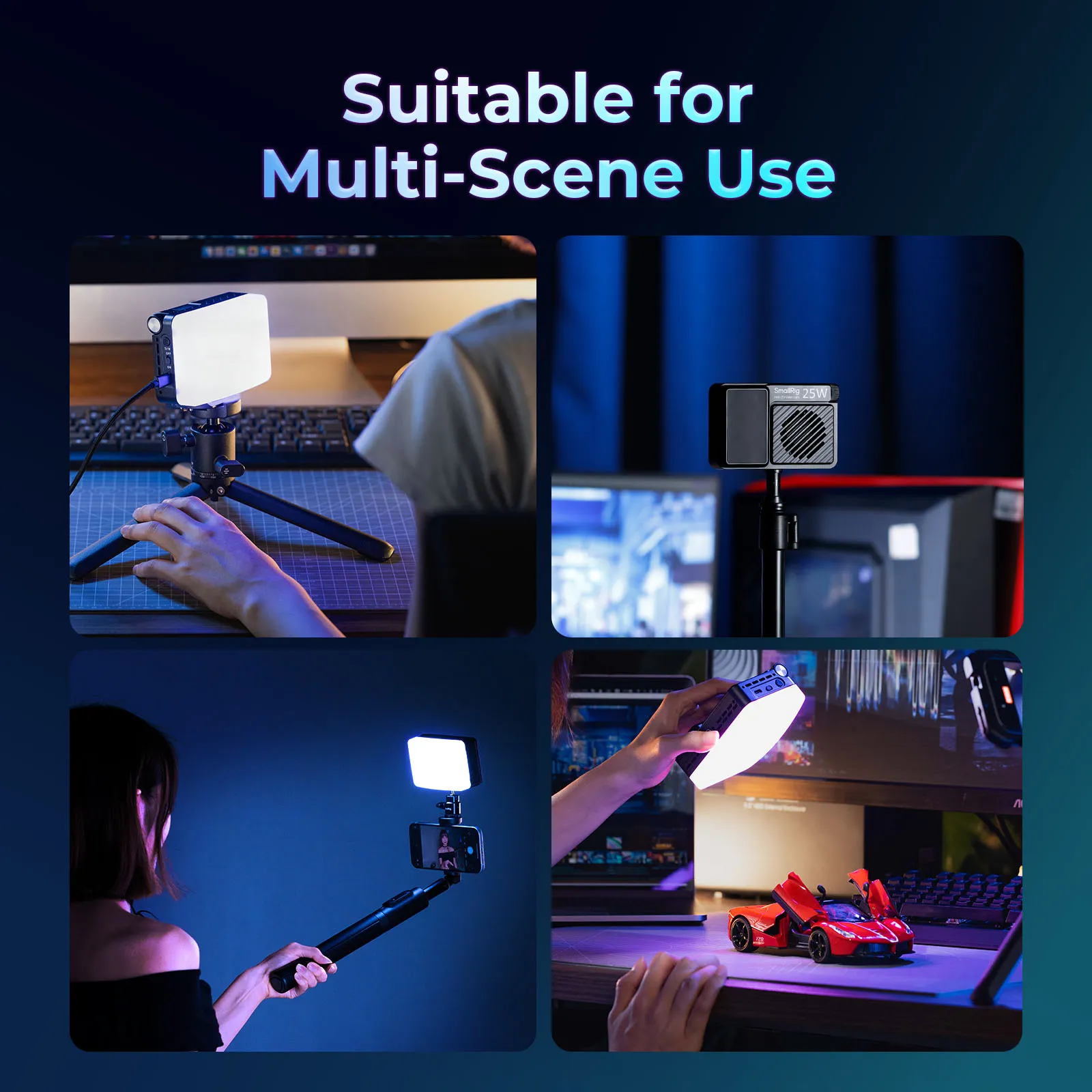
Video Content Creation
This is the obvious one, but it's worth spelling out.
Video requires continuous lighting. You can't "freeze" a moment with a flash. If you're shooting B-roll, a vlog, a TikTok, or any kind of moving image, you need light that stays on.
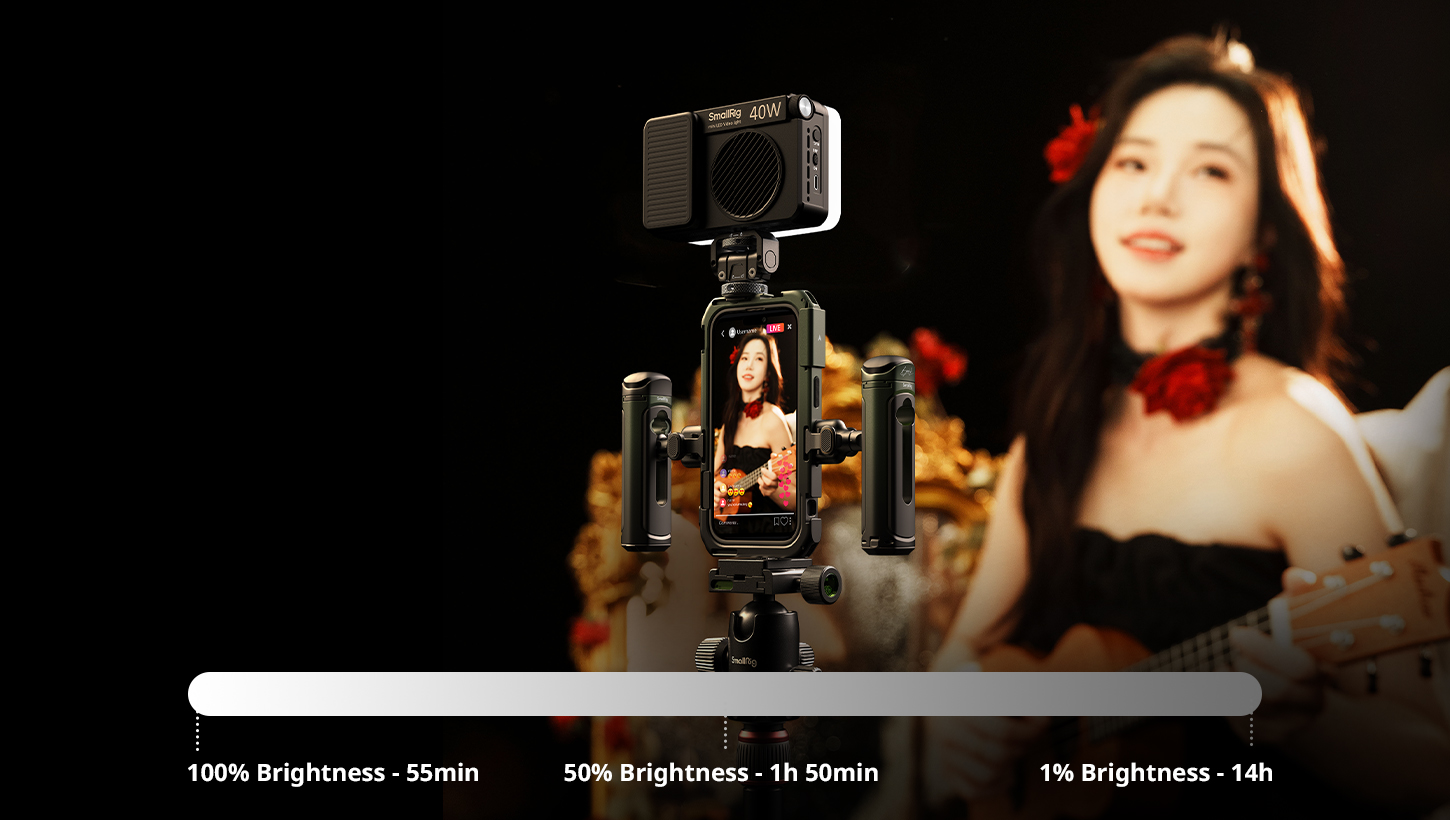
Why it works: A video light lets you see exactly what the camera sees in real time. No guessing. No "let's check the footage and hope for the best." You adjust, you see the result immediately, and you nail the shot.
Real scenario: You're filming an interview in a coffee shop. The window light is beautiful on one side, but your subject's face on the other side is drowning in shadow. A small video light fills that gap—not to overpower the window, but to balance. That's the move.
Portrait Photography (Stills, But Soft Light)
Here's a nuance people miss: video lights aren't just for video.
For portrait photography, especially candid or lifestyle work, continuous light is often more natural than flash. You see how the shadows fall. You can adjust the angle by a few degrees and watch the entire mood shift.
Why it works: Human eyes are calibrated for continuous light. We perceive it as natural. Flash, by contrast, can feel harsh or clinical—especially without modifiers.
Real scenario: You're shooting an engagement session at sunset. The sun dips below the horizon faster than you expected. You've got 10 minutes before the light disappears entirely. A video light fills your subject with warm, directional light that complements—rather than overpowers—the remaining ambient glow.
Product Photography (Small Objects)
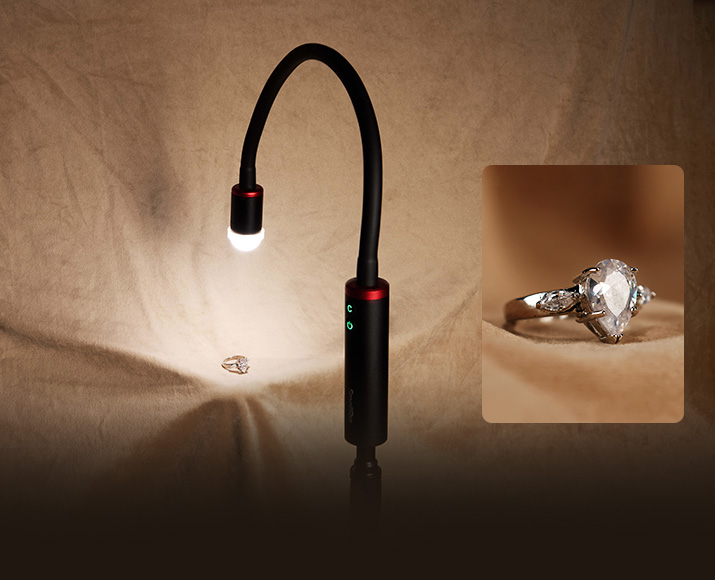
Tabletop product shots. Flat lays. Close-ups of jewelry, watches, cosmetics.
These benefit enormously from soft, controlled light that you can shape and position exactly where you need it.
Why it works: Video lights give you soft shadows and even coverage without the heat of traditional tungsten lights. You can dial in the color temperature to match your background or create contrast.
Real scenario: You're photographing a product for an e-commerce listing. The detail shots need to show texture without harsh reflections. You position a video light at 45 degrees, add a diffuser, and you've got studio-quality results on your kitchen table.
Indoor & Low-Light Situations
Museums. Churches. Indoor venues. Restaurants at night. Anyplace where you can't use a flash (or shouldn't).
Why it works: Not only are many venues flash-restricted, but even when flash is allowed, it changes the atmosphere. A video light adds just enough illumination to capture the moment without destroying the mood.
Real scenario: You're at a friend's wedding reception. The venue is gorgeous—candlelight, string lights, intimate ambiance. Flash would wash all of that out. A small video light lets you capture genuine moments without turning the vibe into a passport photo.
Live Streaming & Video Calls
Looking at you, Zoom calls and Twitch streams.
Professional lighting elevates everything. It makes you look sharper, more alert, more present. It's the single highest-ROI upgrade for anyone who appears on camera regularly.
Why it works: Your audience can't see your face if it's under-exposed. A video light ensures you're always "on," regardless of whether your window is facing north or your office bulb is 40-watt orange.
Real scenario: You're doing a weekly YouTube live. The afternoon sun through your window creates terrible contrast. A video light balances the exposure and makes you look like you're hosting a real show, not Skyping from a basement.
When NOT to Use a Video Light
Honesty matters here. A video light isn't always the right tool.
Very Long Exposure / Night Photography
If you're trying to capture star trails, light paintings, or cityscapes at night with slow shutter speeds, a video light will either be too weak or require you to hold it in frame.
Why it doesn't work: Video lights are designed for continuous, moderate output. They're not built to paint light across 30-second exposures. For that, you need a powerful torch or a flash-based solution.
Fast-Moving Action (Without High Speed Sync)
Trying to freeze motion in bright daylight? A video light probably won't cut it unless you're in shade or overcast conditions.
Why it doesn't work: Video lights have limited power output compared to studio strobes. In bright sun, your ISO/shutter/aperture settings will overwhelm the light's contribution.
When Ambient Light Is the Point
Some photos exist because of the darkness—the drama of a single candle, the silhouette against a sunset, the moody noir aesthetic.
Adding light in these situations defeats the purpose entirely.
Why it doesn't work: The absence of light is the subject. A video light would turn your moody silhouette into a... normal portrait. Know when to let darkness do its job.
Large Spaces or Groups
Trying to light an entire room or a group of 20 people with a handheld video light? That's not happening.
Why it doesn't work: Video lights are designed for close to medium range (typically 1-3 meters). For large groups or spaces, you need multiple lights, studios, or flash-based solutions.
Why a Video Light vs. a Flash?
This is the question. And the answer isn't "one is better"—it's "they serve different purposes."
|
|
Video Light
|
Flash / Strobe
|
|---|---|---|
|
Output Power
|
Continuous, moderate (5W-40W typical)
|
Burst, high (100Ws-1000Ws typical)
|
|
Portability
|
✅ Compact, battery-powered, grab-and-go
|
❌ Often requires more gear, modifiers
|
|
Real-Time Preview
|
✅ See exactly what you get
|
❌ Requires experience to predict results
|
|
Learning Curve
|
Low—intuitive and forgiving
|
High—requires understanding of flash metering
|
|
Video Compatibility
|
✅ Perfect for video
|
❌ Not usable for continuous recording
|
|
Battery Life
|
Minutes to hours depending on power
|
Hundreds of full-power pops
|
|
Best For
|
Video, portraits, live streaming, low-key work
|
Freezing motion, large scenes, high-key setups
|
The honest truth: Most content creators, vloggers, and wedding photographers shooting hybrid photo/video will get more practical use from a video light than a flash. Why? Because they can see what they're doing. They can adjust in real time. And they can use the same light for both video and stills.
Flash is a specialized tool. Video light is a versatile companion.
SmallRig Lights: Real Tools for Real Work
We've designed our video lights around one principle: they should make your life easier, not add complexity.
A few options worth considering:
-
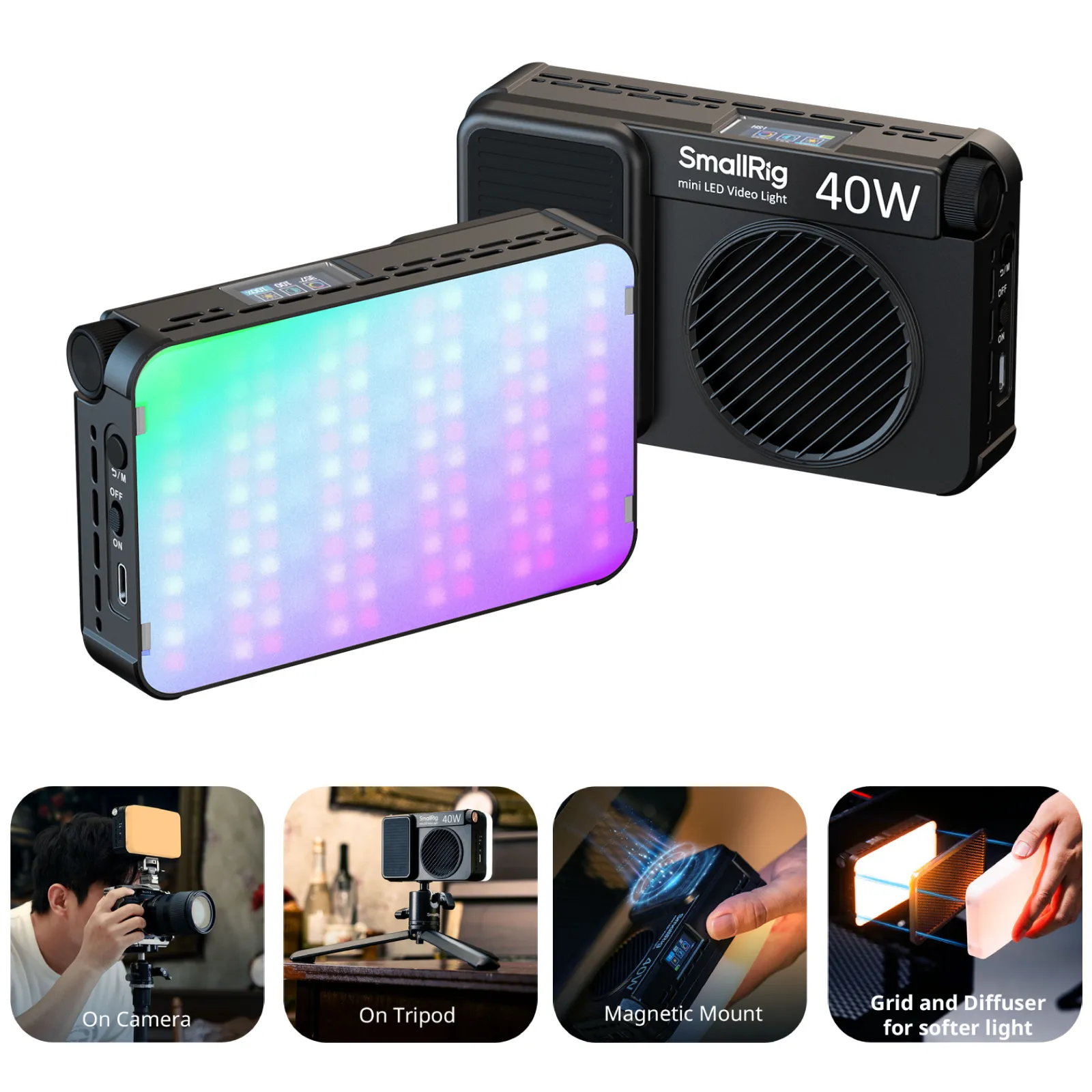
40W Mini RGBWW Video Light for Small Content Teams features a 40W high-power strong light output with a wide illumination range, enabling uniform lighting without dark corners when multiple people are in the frame. Equipped with a magnetic design and a universal threaded hole, it allows small teams to quickly set up lighting scenes for both indoor and outdoor shoots. Additionally, it offers 14 creative light effects, easily meeting the diverse atmospheric needs of team creations such as short videos and feature films, making team lighting more efficient and professional.
-
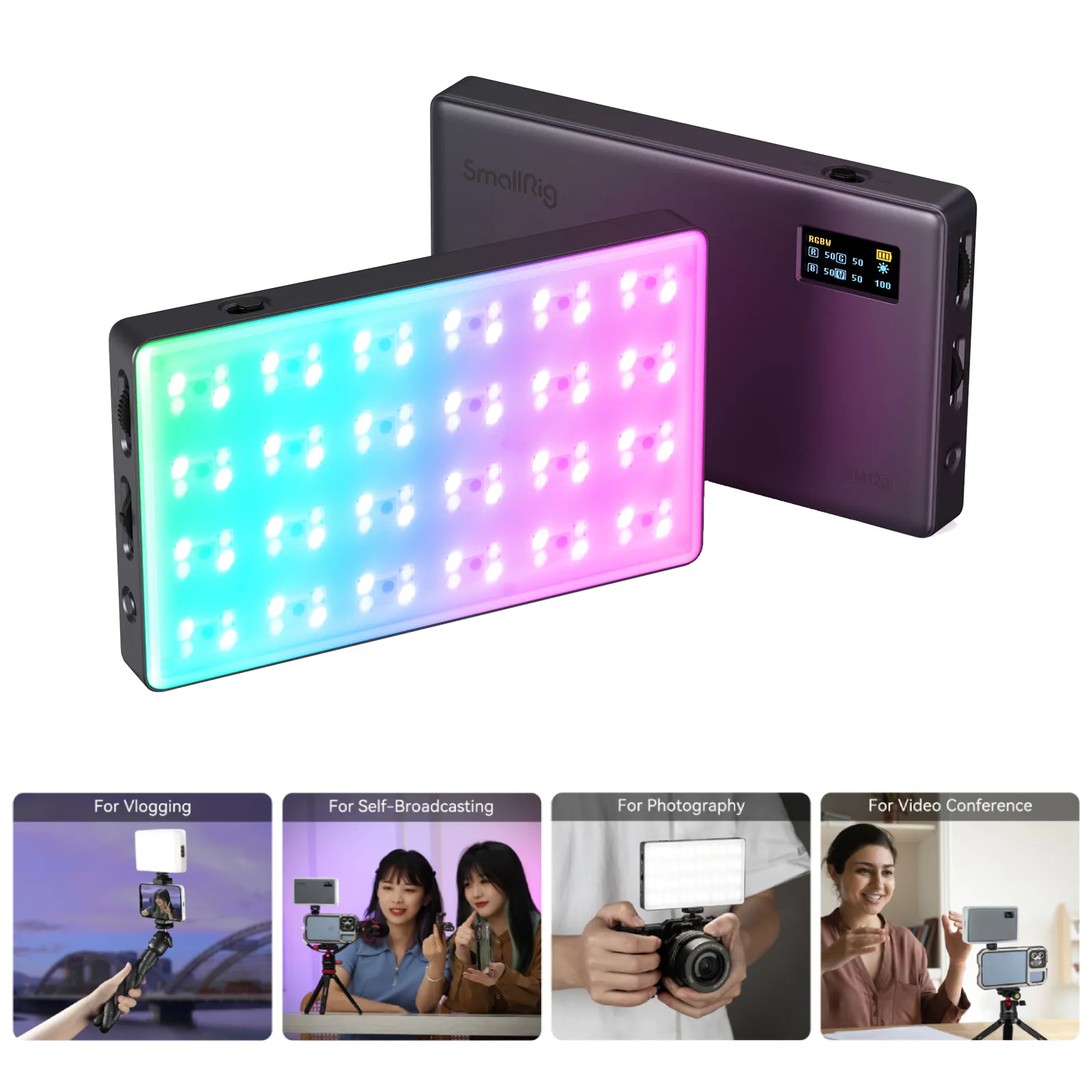
RM120 RGBWW Video Light focuses on high color rendering performance, which can accurately restore product colors without chromatic aberration. Its soft and delicate light source can clearly present textures and tiny details during macro shooting. At the same time, it is equipped with a 180-minute long-lasting battery life, which can fully meet the continuous use needs of long-time product and macro shooting, making still life shooting more stable and worry-free.
-
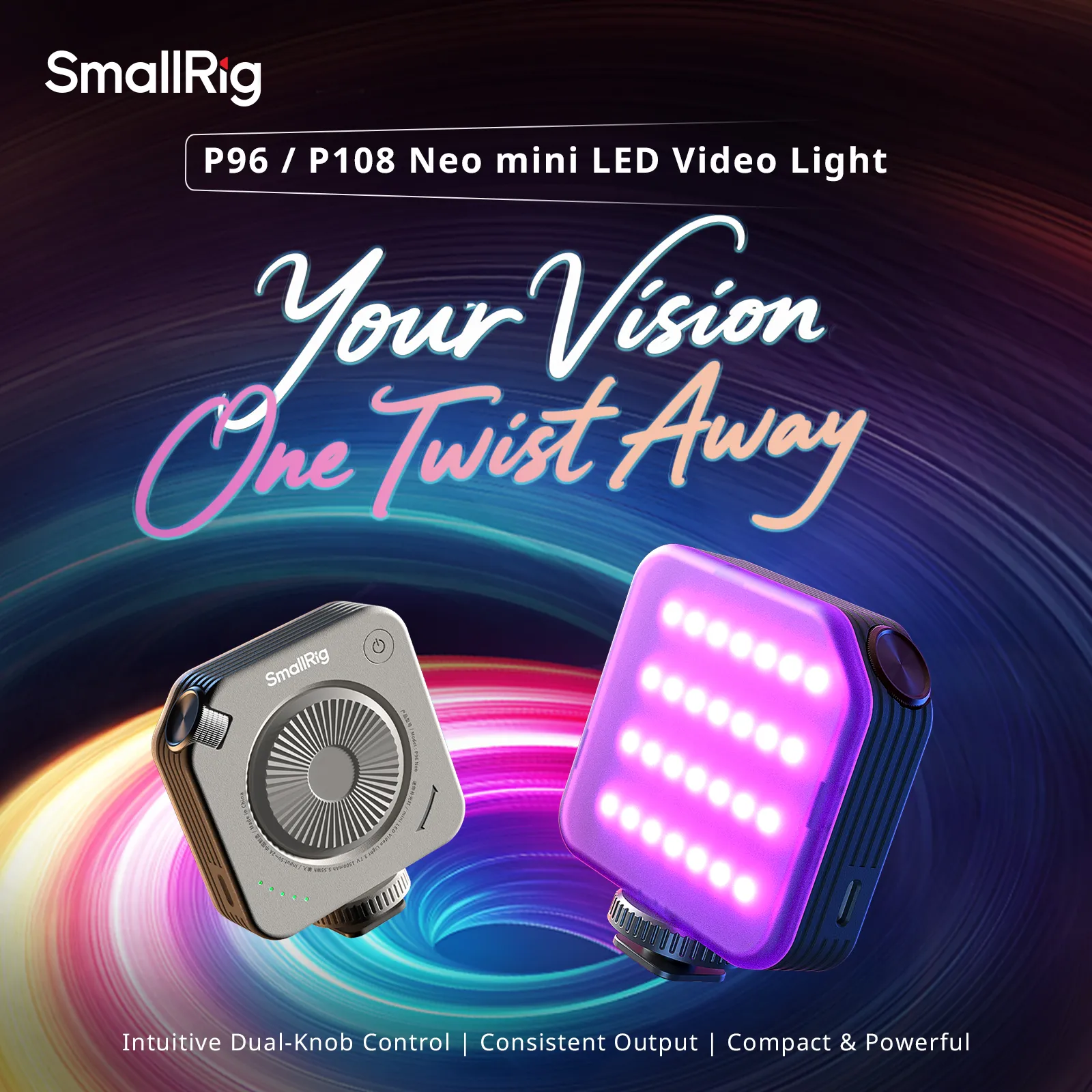
P96 / P108 Neo mini LED Video Light is designed to be compact and portable. Its ultra-light size allows it to be carried around easily, making it convenient for selfies and street shooting. The one-hand knob enables quick dimming, so you won’t miss recording wonderful moments while shooting on the go. Its uniform light output also keeps the frame clean and transparent, easily enhancing the atmosphere of daily recording.
The Bottom Line
Every great photo doesn't start with the perfect camera. It starts with understanding light—and knowing how to shape it.
Keep Reading
 Best Portable Lighting Setup for Solo Content Creators
 Review: SmallRig RF 20C Portable Zoom Light
 The Ultimate Guide to Film Lighting: Techniques, Types, and Setup
Related Products from SmallRig