
Search smallrig.com...


Winter Games Photo Tips: 5 Pro Moves for 2026
SmallRig 2026-02-05 01:31:03
The 2026 Winter Olympics aren't just about who wins Gold; they are about the stories, the speed, and the atmosphere. But shooting in Milan brings unique challenges: freezing batteries, blinding snow, and chaotic crowds.
The difference between a shaky phone clip and a cinematic masterpiece often comes down to technique. Here are 5 professional moves to help you capture the Games like a broadcast pro—and the exact gear you need to pull them off.
The difference between a shaky phone clip and a cinematic masterpiece often comes down to technique. Here are 5 professional moves to help you capture the Games like a broadcast pro—and the exact gear you need to pull them off.
Technique 1: The Low-Angle Anticipation – Capture the Intensity of the Start
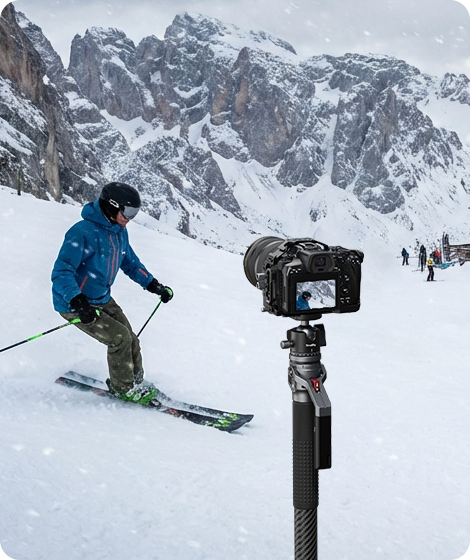
The Scene & Challenge: The tense moments before a bobsled or luge launch. A ground-level shot looking up at athletes and their sled conveys raw power and anticipation, but holding a camera at ground level is back-breaking.
The SmallRig Solution: A tripod with a reversible center column. The SmallRig Quick-Release Carbon Fiber Tripod (5564) excels here.
-
How it works: Simply reverse the center column, allowing you to mount your camera incredibly low to the ground. The one-lever height adjustment lets you fine-tune the framing from a standing position without constantly bending over, saving your back during long shooting sessions.
-
Pro Tip: Combine this with a cage like the HawkLock Quick Release Cage for Sony(4481) for Sony A1 or Cage for Sony Alpha 1 II / Alpha 9 III(5187) for Sony A9III. The cage’s multiple 1/4”-20 threads and cold shoe mounts allow you to easily add a SmallRig On-Camera Monitor (concept) or the RM 40C Mini Light (5359) for a little fill light on the athlete’s face in shaded start houses.
Technique 2: The Solo Traveler’s Perfect Shot – Be In the Olympic Landscape
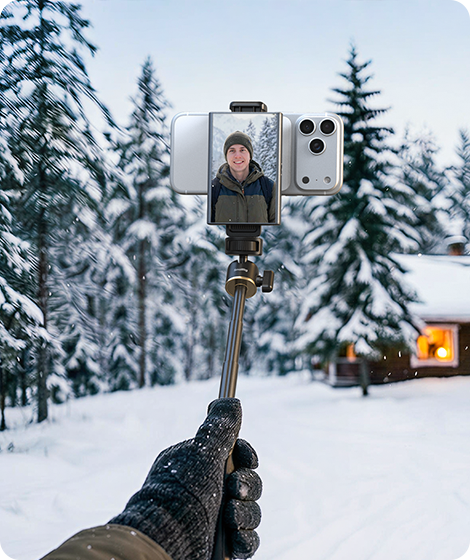
The Scene & Challenge: You want a stunning photo of yourself with the majestic Olympic Alpine venues in the background, but you’re traveling alone. Asking a stranger rarely yields the framed, well-composed shot you envision.
The SmallRig Solution: A wireless monitoring system. The SmallRig Wireless Phone Monitor (Vlog Kit) (4851B) is a game-changer.
-
How it works: Magnetically attach the monitor to your phone, then mount your phone on the included tripod. You can now hold the monitor and see exactly what your phone’s high-quality rear camera sees from up to 10 meters away. Frame yourself perfectly in the landscape, adjust your pose, and trigger the shot remotely.
-
Pro Tip: Use the kit’s cold shoe to attach the M3 Fill Light (5505) for perfect lighting at dusk, or add the S70 Microphone (5714) for crystal-clear audio in your solo video diaries.
Technique 3: The Rapid-Fire Edit – File the Winning Photo First
The Scene & Challenge: Your editor is waiting for the gold medal photo. You’ve shot thousands of high-speed RAW images on multiple cards. Downloading and sorting them with a slow reader wastes precious minutes in the race for publication.
The SmallRig Solution: A high-speed, multi-card reader. The SmallRig Multi-Function Card Reader (A) (5361) is built for speed.
-
How it works: It supports USB 3.2 Gen 2 speeds and can read CFexpress Type A and SD cards simultaneously, even copying between them. Its built-in heat sink prevents throttling, maintaining top speed. The built-in AirTag slot is a genius addition to never lose your priceless memory cards in a busy media center.
Technique 4: The Creative Light Painting – Add Magic to Night Scenes
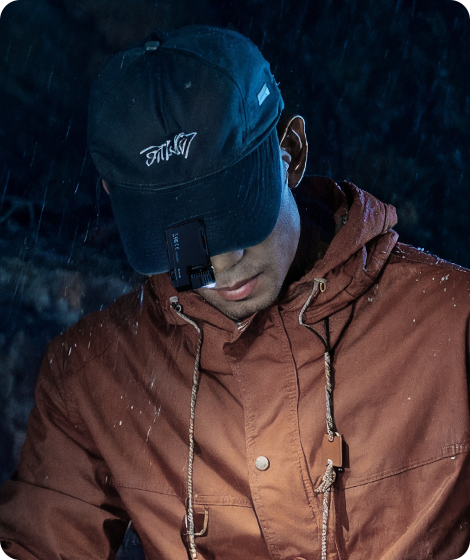
The Scene & Challenge: The Olympic venues are beautifully lit at night, but your shots look flat. You want to add a creative, festive flair to your nighttime photos or videos.
The SmallRig Solution: A versatile, portable RGB light. The SmallRig Thumb EDC Light (5710) and RM 40C Mini Light (5359) are creative powerhouses.
-
How it works: The Thumb EDC Light (5710), with its 180° rotating head and magnetic base, can be attached anywhere to add a splash of color to a scene or light a small subject. The RM 40C Mini Light (5359) offers RGBWW full color and 14 built-in special effects (like lightning or police lights) to create atmosphere with a single tap.
-
Pro Tip: Clip the Thumb EDC Light (5710) to your backpack strap for hands-free lighting during night skiing videos. Use the RM 40C Mini Light (5359) with its diffuser to softly light a face for an interview in front of the Olympic flame.
Technique 5: The Decisive Moment Machine – Ergonomics for Marathon Shooting
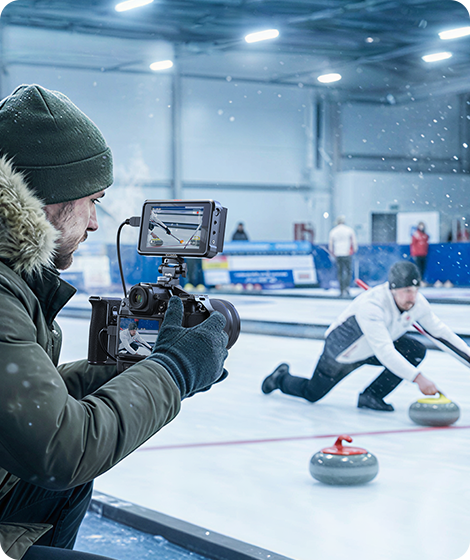
The Scene & Challenge: Shooting an entire ice hockey game or a long figure skating session with a heavy camera and lens. Fatigue sets in, your grip slips, and you might miss a crucial moment because your hand was cramping.
The SmallRig Solution: Enhance your camera’s ergonomics and control. The SmallRig Ergonomic Handle (3893) and a sturdy Camera Cage are the answer.
-
How it works: The Ergonomic Handle (3893) Handle attaches to your cage (like the HawkLock Quick Release Cage for Sony(4481)), redistributing the weight of your rig across your forearm for a more natural, less fatiguing hold. Critically, it often includes a record trigger cable, letting you start/stop recording with your thumb on the handle, not by searching for a tiny button on the camera.
-
Pro Tip: A cage like the HawkLock Quick Release Cage for Sony(4481) or Cage for Sony Alpha 1 II / Alpha 9 III(5187) provides the foundation. Its multiple mounting points allow you to build out a perfect, balanced rig with the handle, a monitor on a monitor mount (2903B), and a microphone, all locked securely with three-point tightening to prevent rotation during intense action.
Conclusion
Mastering these techniques will set your content apart in 2026. But remember, the best technique is the one you can execute quickly.
SmallRig’s ecosystem is built to remove the friction between you and the shot.
Ready to shoot like a pro?
Keep Reading
 Film Milan 2026: Top 3 Camera Kits for Winter Games
Related Products from SmallRig