
Search smallrig.com...


From Beginners to Pros: SmallRig's Gimbal Stabilizer FAQs That Matter
SmallRig 2024-05-08 00:10:35
Are shaky hands sabotaging your filmmaking dreams? Say goodbye to blurry footage and hello to professional-grade stability with SmallRig's game-changing Gimbal Stabilizer! Whether you're a vlogger, cinematographer, or just an aspiring filmmaker, this revolutionary device is here to unlock the power of smooth and steady footage.
What is SmallRig’s Gimbal Stabilizer?
If you're new to the world of gimbals, SmallRig's Gimbal Stabilizer is a great place to start. It is equipment that helps stabilize your camera while you're filming. It does this by using motors to counteract the movement of your hands, giving your videos a smoother, more professional look. It's lightweight and easy to use, making it perfect for beginners. Plus, it's affordable without sacrificing quality or features.
How to attach the Gimbal Stabilizer of SmallRig?
If you're new to using a Gimbal Stabilizer, don't worry - it's easier than it looks! All you need to do is follow these simple steps:
1. First, attach the Gimbal Stabilizer to your camera. There are usually two ways to do this: either by screwing it onto the tripod mount of your camera, or by attaching it to the hot shoe mount on top of your camera.
2. Once the Gimbal Stabilizer is attached to your camera, simply turn it on and let it calibrate itself. This usually takes just a few seconds.
3. Now you're ready to start using the Gimbal Stabilizer! Just hold it in front of you and start moving around - our Gimbal Stabilizer will automatically keep your camera level and steady.
What types of shots can I capture with the Stabilizer?
There are three main types of shots that can be captured with the stabilizer: panning, tracking, and tilting.
Panning is a type of shot where the camera is moved from one side to another in a smooth, controlled manner. This is often used to capture sweeping landscapes or to follow a moving subject.
Tracking is a type of shot where the camera is moved along a specific path. This could be used to capture a person walking through a crowd, or a car driving down a winding road.
Tilting is a type of shot where the camera is tilted up or down. This can be used to create dramatic effects, such as when tilting the camera up to capture a tall building against a blue sky.
Conclusion
We hope that our FAQ to our Gimbal Stabilizers has been helpful for you, whether you are a beginner or an experienced pro. With the right setup and knowledge, these Stabilizers can help your footage look professional and cinematic.
Keep Reading
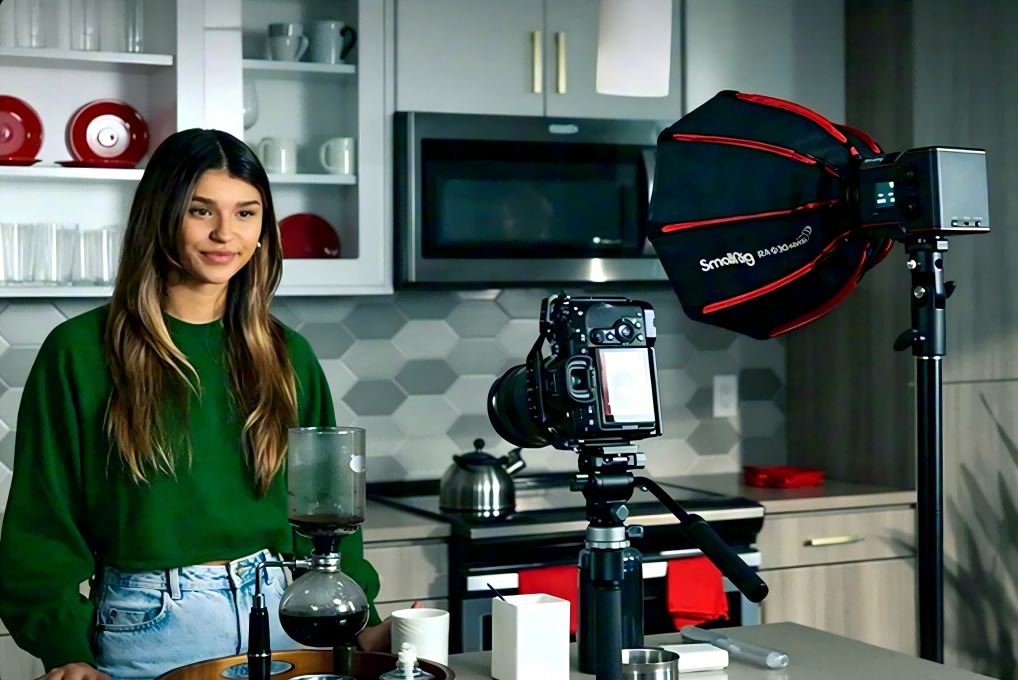 Best Portable Lighting Setup for Solo Content Creators
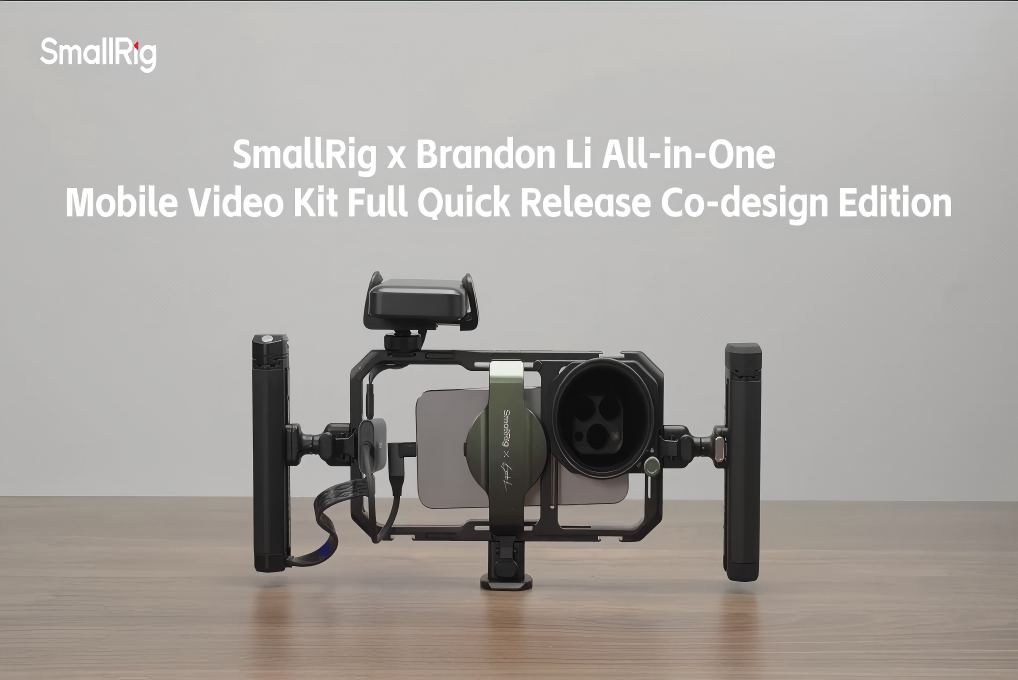 From Bare Phone to Pro Rig: The Complete Setup Guide for SmallRig × Brandon Li
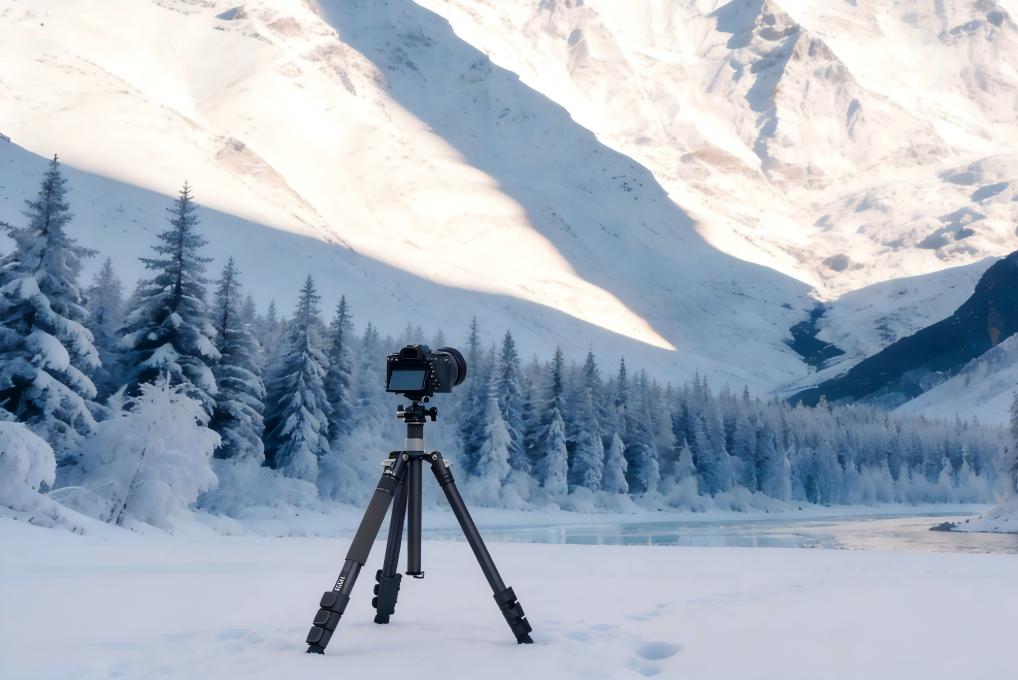 Best Travel Tripods 2026: Carbon Fiber vs Aluminum — Which Should You Choose?