
Search smallrig.com...


Photo Tripods vs. Video Tripods: Key Differences and How to Choose the Right One
SmallRig 2025-03-13 03:04:32
Contents
When it comes to capturing the perfect shot, choosing the right tripod is just as important as selecting the right camera or lens. For photographers and videographers, understanding the differences between photo tripods and video tripods can make all the difference in achieving smooth workflows and stunning results. Let’s dive into what sets them apart and how to choose the best option for your creative pursuits.
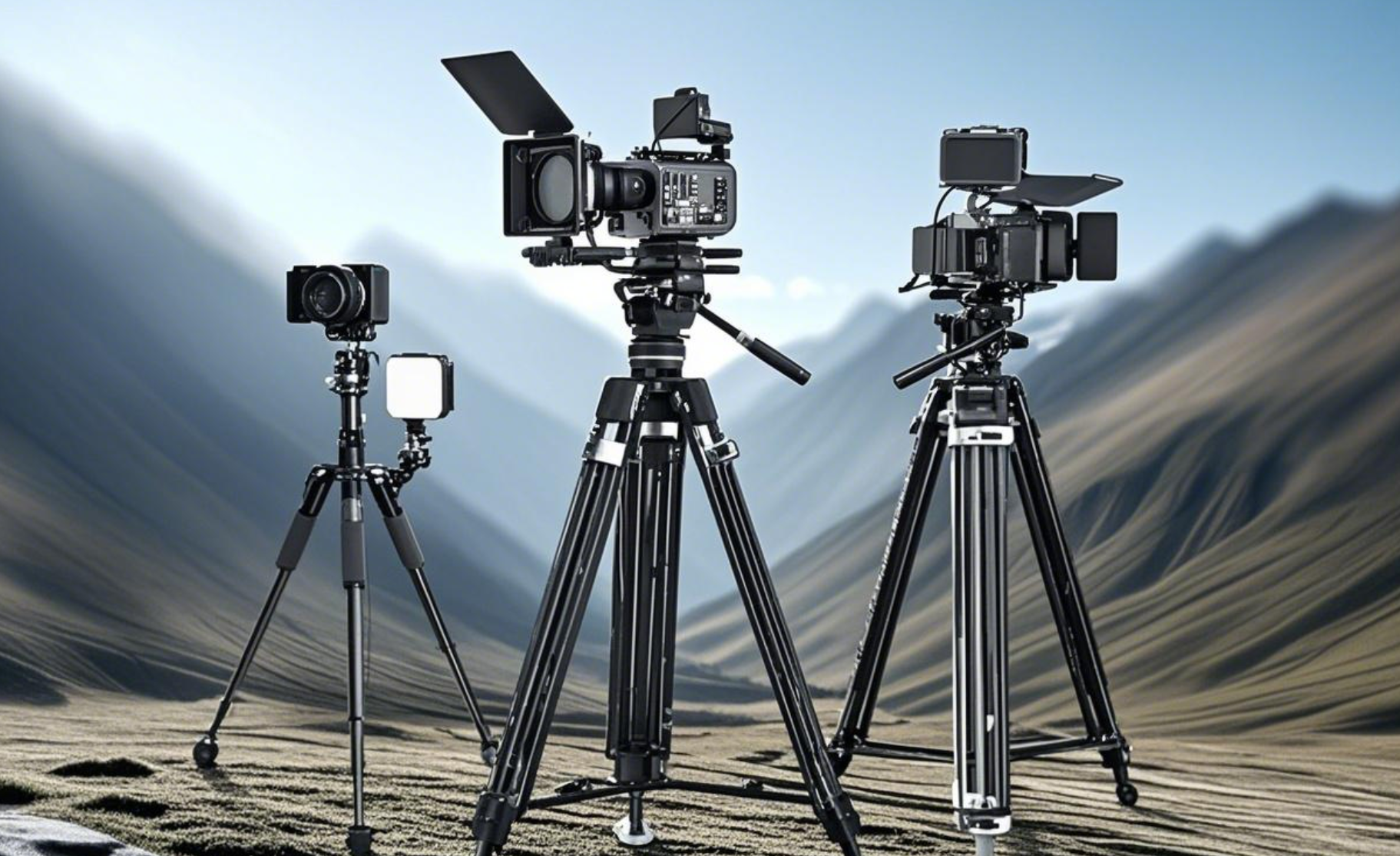
What is a Photo Tripod?
Photo tripods are designed specifically for still photography, offering stability while enabling quick adjustments to frame the perfect shot. Photographers often need to switch angles swiftly or capture long-exposure shots without camera shake, making a sturdy yet portable tripod essential.
Key Features of Photo Tripods:
-
Lightweight and Compact: Ideal for travel and location shoots where portability is crucial.
-
Quick Adjustments: Often equipped with flip locks or twist locks to rapidly adjust height and angle.
-
Versatile Mounting Options: Compatible with various cameras and accessories.
-
Precision Control: Ball heads or three-way pan-tilt heads allow for fine composition control.
Photo Tripod Recommendations:
-
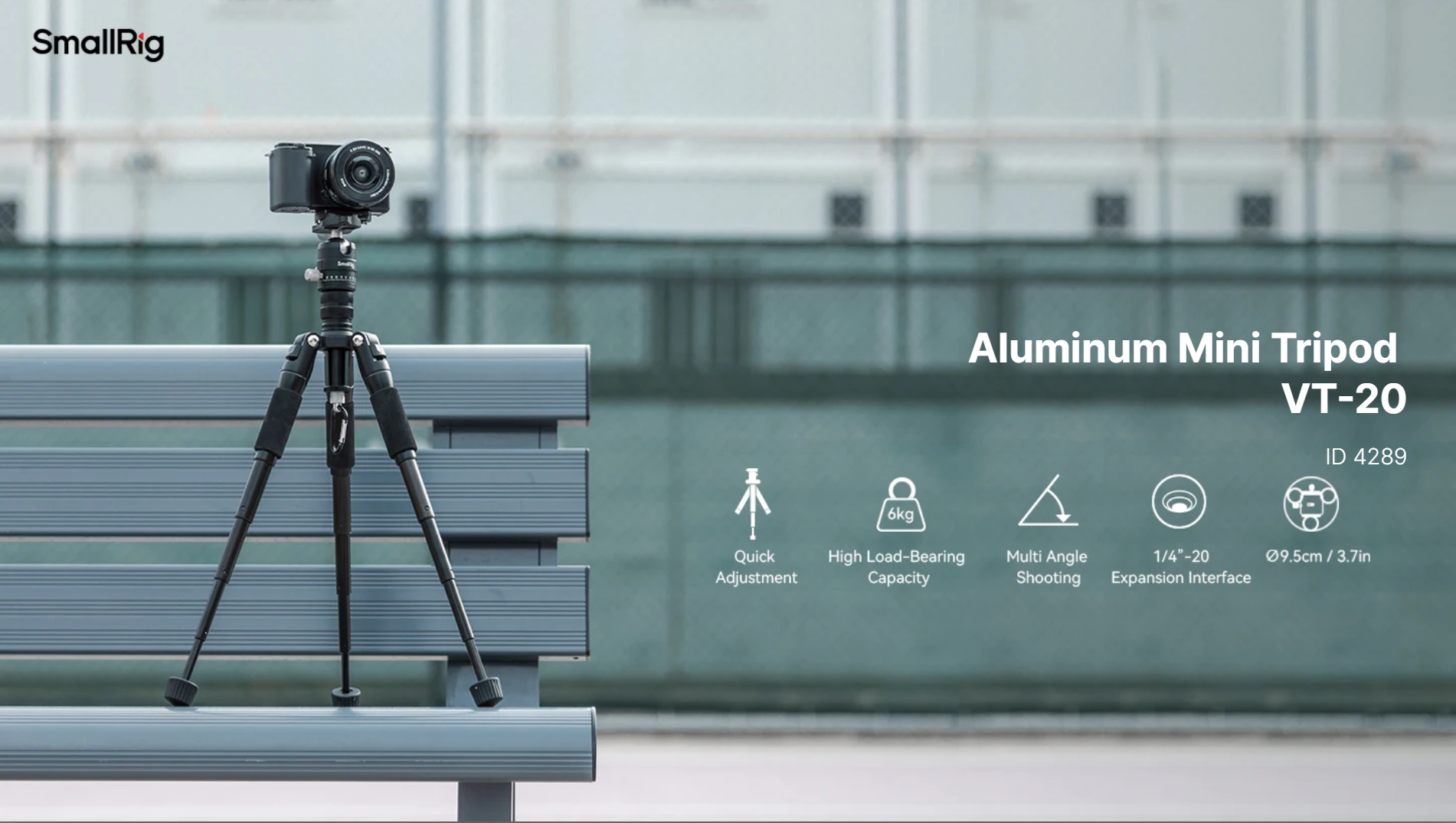
SmallRig Aluminum Mini Tripod VT-20 (sku: 4289): Compact yet robust, the VT-20 is perfect for table-top photography, vlogging, or capturing stills on the go. Its lightweight aluminum construction ensures portability without compromising stability.
-
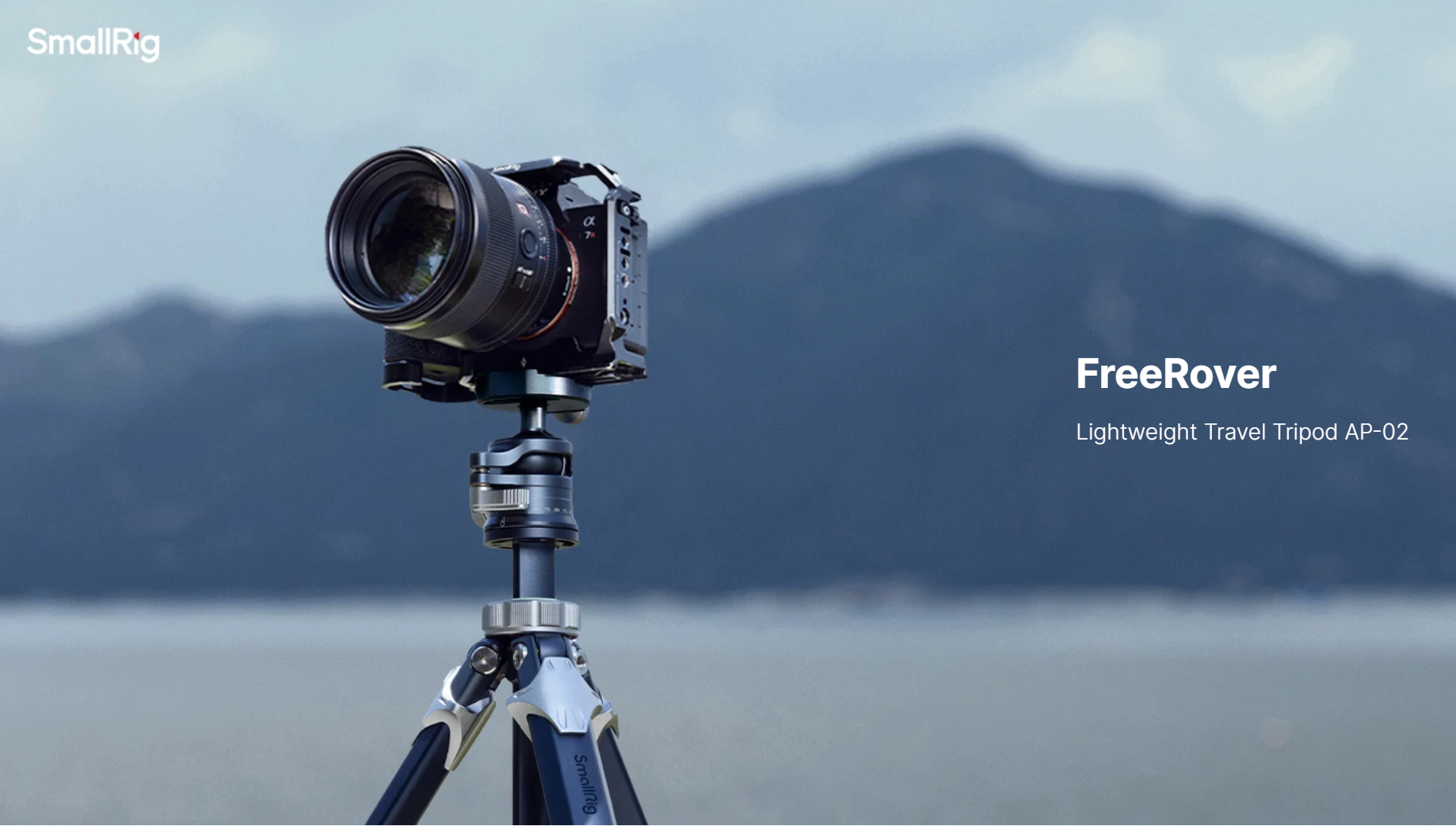
SmallRig Lightweight Travel Tripod AP-02 (sku: 4222): Designed for travel photographers, the AP-02 combines portability and durability. Its quick-lock system and lightweight build make it ideal for landscape, portrait, and urban photography.
What is a Video Tripod?
Video tripods cater to the unique demands of videography, where smooth movements and stability are critical for capturing cinematic shots. Unlike photo tripods, they come with specialized features to support fluid motion and heavier equipment.
Key Features of Video Tripods:
-
Fluid Head Mechanism: Allows for smooth panning and tilting, ensuring professional-grade video footage.
-
Higher Load Capacity: Built to support heavier camera rigs, gimbals, and accessories.
-
Enhanced Stability: Wider leg spread and sturdier construction prevent vibrations and ensure steady shots.
-
Drag Control: Offers adjustable resistance for panning and tilting movements, giving you greater control over motion.
Video Tripod Recommendations:
-
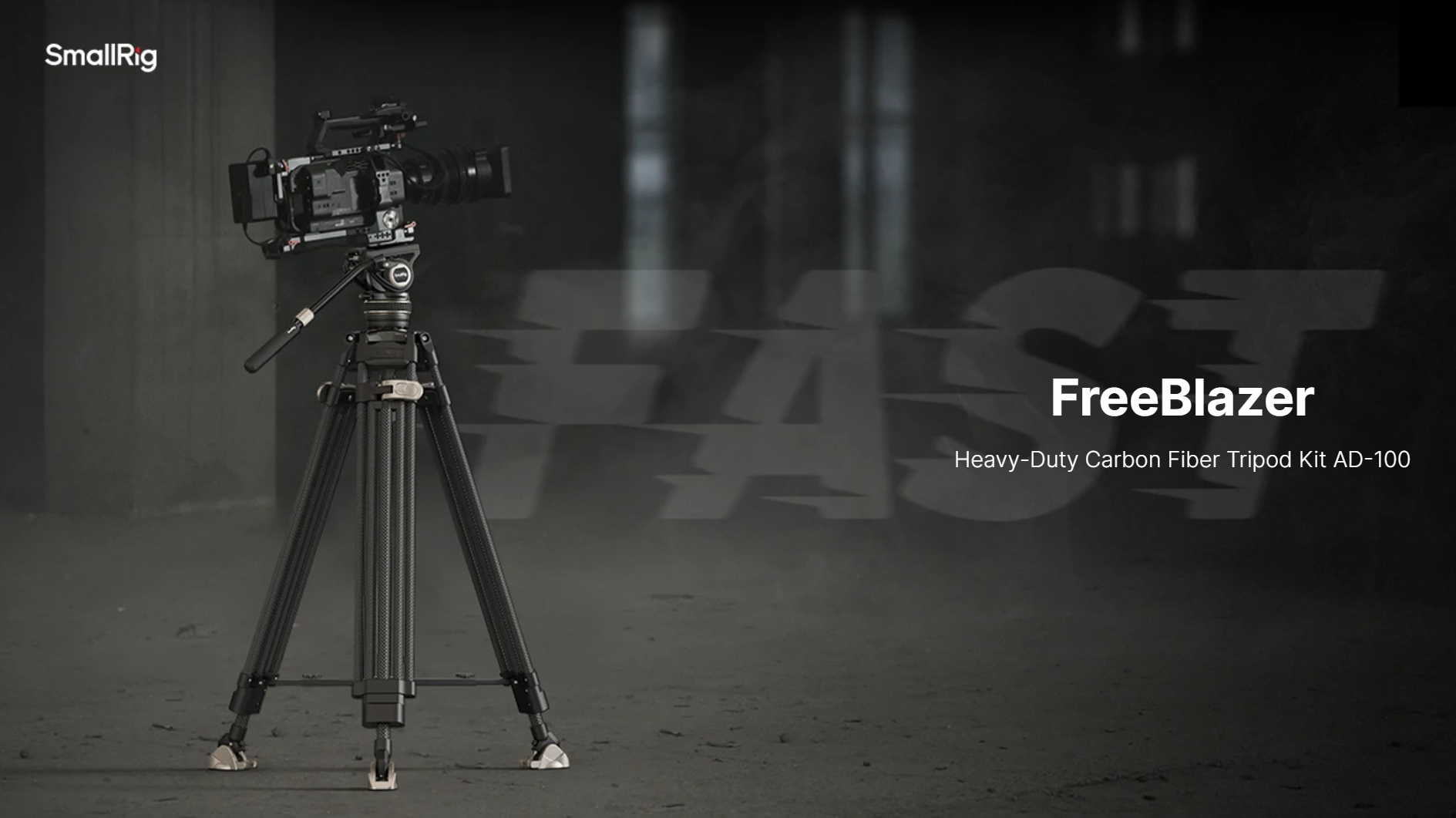
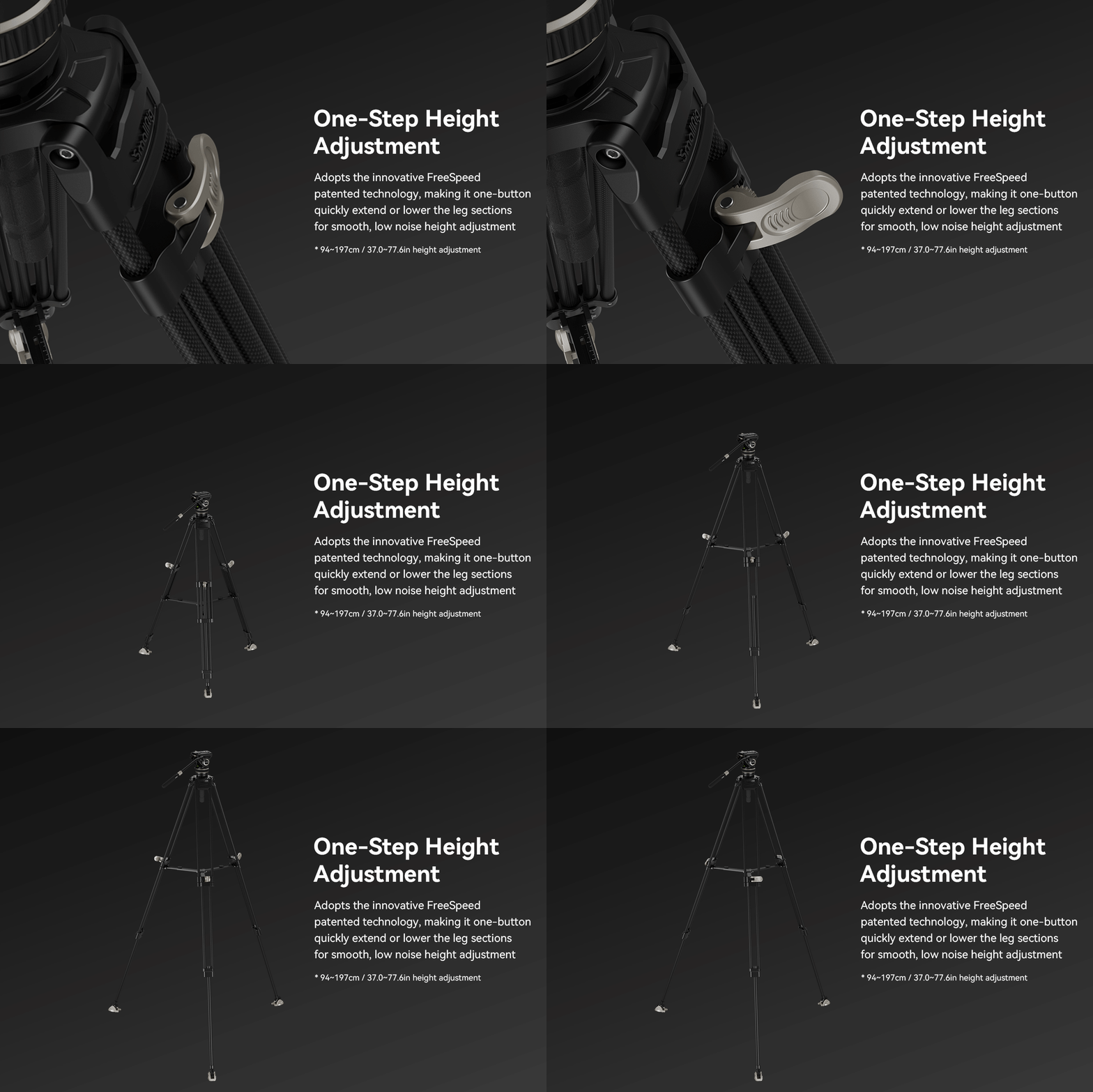
SmallRig FreeBlazer Heavy-Duty Carbon Fiber Tripod Kit (sku: 3989): Built for professional videographers, the FreeBlazer offers exceptional stability with its carbon fiber construction. It’s perfect for high-stakes video shoots that demand precision and durability.
-
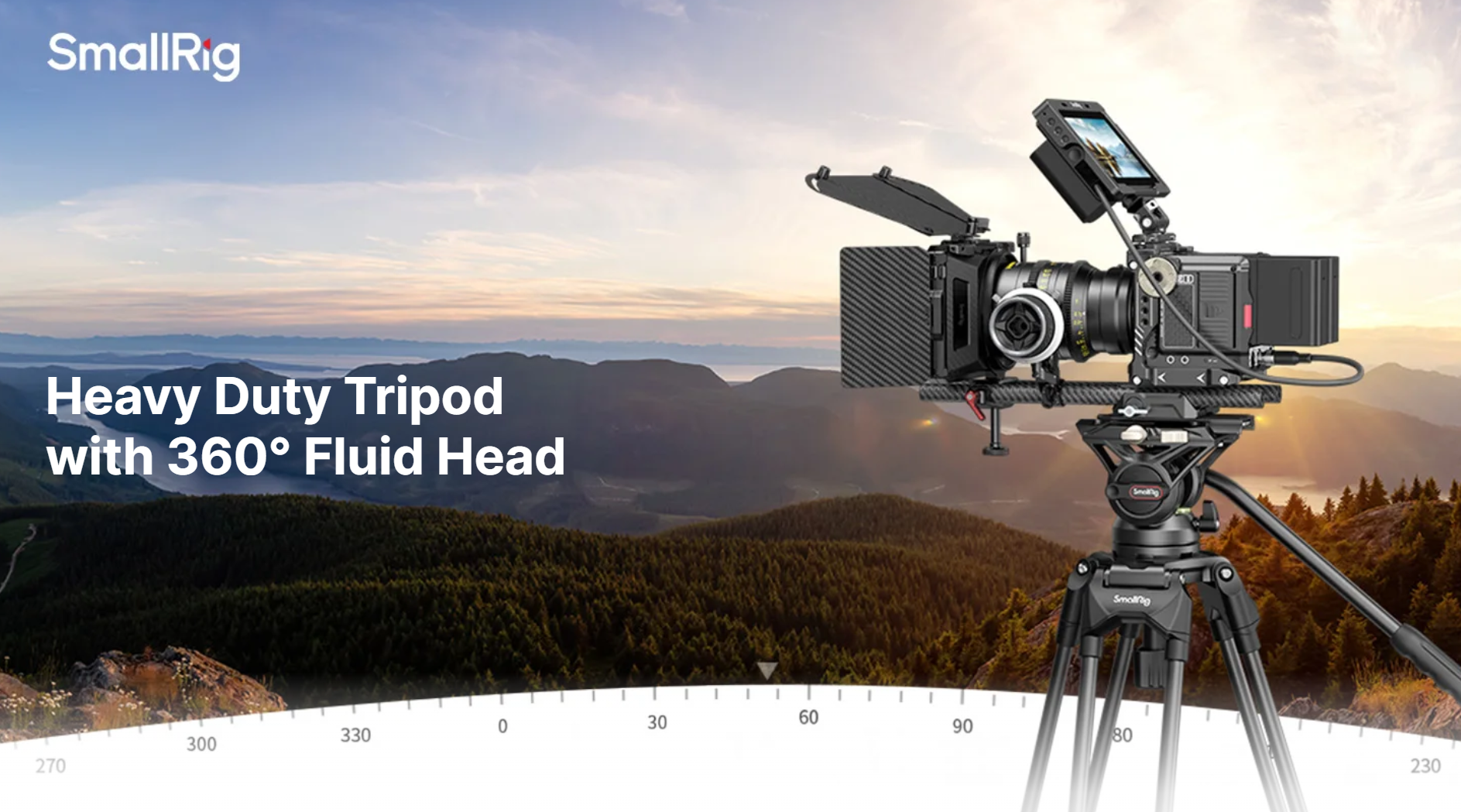
SmallRig Heavy-Duty Fluid Head Tripod AD-01 (sku: 3751B): Featuring a smooth fluid head and a robust design, the AD-01 ensures seamless tracking shots and smooth camera movements, making it ideal for dynamic video content.
Key Differences: Photo vs. Video Tripods
| Feature | Photo Tripod | Video Tripod |
|---|---|---|
| Head Type | Ball heads or three-way pan-tilt heads for quick adjustments | Fluid heads for smooth panning and tilting |
| Load Capacity | Supports lighter camera setups | Designed for heavier rigs and accessories |
| Stability | Prioritizes portability, lighter materials | Wider leg spread and heavier build for added stability |
| Leg Design | Compact leg design for easy transport | Broader leg spread with additional bracing for stability |
| Motion Control | Minimal control, focused on static shots | Drag control for smooth panning and tilting movements |
Choosing the Right Tripod
When selecting a tripod, consider your primary shooting style:
-
Choose a photo tripod if you prioritize portability, quick adjustments, and versatility for still photography.
-
Opt for a video tripod if smooth panning, tilting, and stability for heavier camera setups are essential for your video projects.
Ultimately, investing in a high-quality tripod tailored to your creative needs will elevate your photography and videography to the next level. Whether you need a lightweight companion for travel or a rock-solid base for cinematic shots, SmallRig has you covered.
Explore the full range of SmallRig tripods and find the perfect fit for your creative journey: www.smallrig.com.
Keep Reading
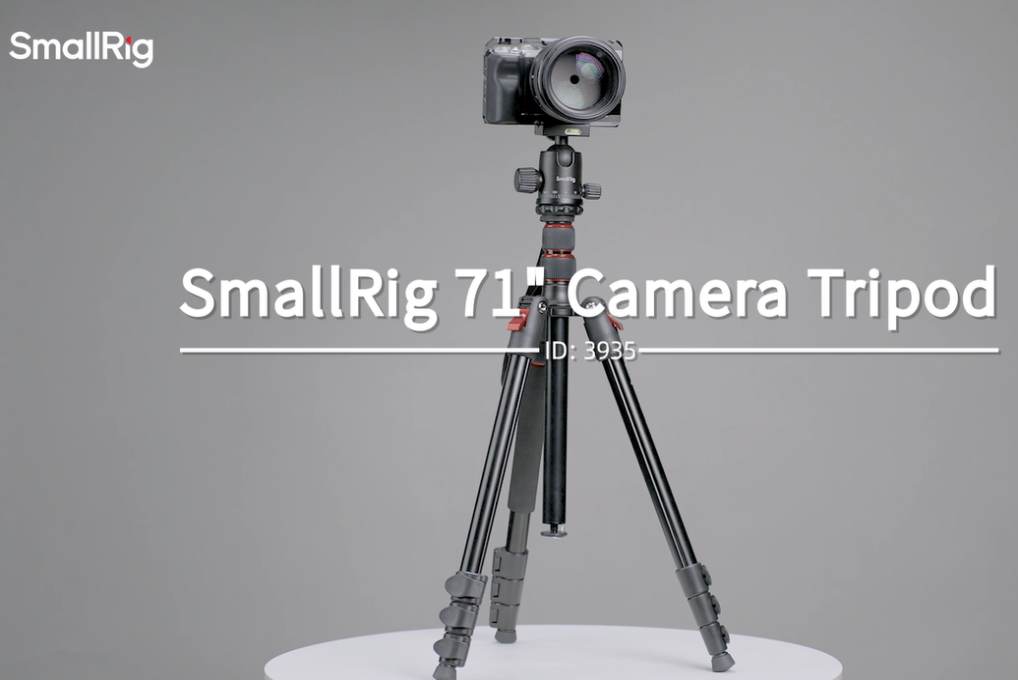 71" Camera Tripod 3935: A Quick Guide to Mastering Versatile Shooting
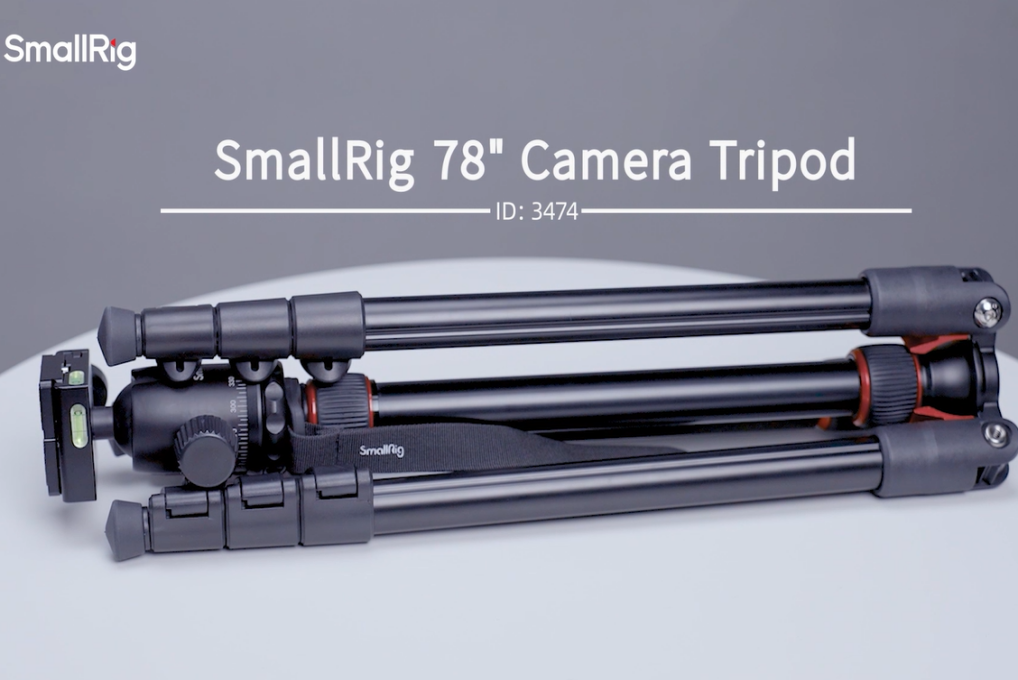 A Complete Guide to Using the SmallRig 78" Camera Tripod 3474C
 How to Connect the Wireless Control Handle 4329 with the Follow Focus Motor 4297
Related Products from SmallRig