
Search smallrig.com...


Ring Light vs. Softbox: Which is Better?
SmallRig 2025-11-28 00:57:52
Contents
Here's the straight answer: ring lights work great for beauty shots and vlogging, while softboxes give you way more control for serious photography lighting and studio work. If you're doing makeup tutorials or solo videos, a ring light gets you that signature catchlight fast. But for portrait photography, lighting, or professional video production, softbox lighting wins hands down. Let's break down why each matters and which one fits your actual needs.
What's the Real Difference Between Softbox Lighting and Ring Lights?
Before you drop cash on photography lighting gear, you need to understand what makes these two studio lighting options totally different animals.
Side-by-Side Comparison
| Feature | Softbox | Ring Light |
| How It Works | Diffuses hard light through fabric layers to create soft, even illumination | LED bulbs arranged in a circle, with hollow center for camera placement |
| What's Inside | Light stand + bulb housing + reflective interior + diffusion panels | Ring-shaped fixture + adjustable mount + center camera position |
| Main Types | Square, octagonal, and strip boxes | Desktop, floor-standing, and bi-color models |
| Size Range | 24"×24" up to 60"×80" | 10-inch to 21-inch diameter |
| Light Quality | Soft, directional, natural shadow falloff | Flat, shadowless, distinctive circular catchlight |
| Studio Benefits | Professional-grade softness, flexible positioning, works with various bulbs | Quick setup, signature eye reflection, even fill light |
| Best For | Portraits, products, commercial shoots, professional video light setups | Beauty content, livestreams, selfie videos |
| Downsides | Bulky, needs lighting knowledge, longer setup time | Harder light quality, limited scenarios, poor for group shots |
What This Means for You
Softbox photography relies on physics—bouncing and scattering light through materials—to mimic natural window light. That's why pros use them for portrait photography lighting. Ring lights skip the diffusion and give you instant, even coverage, which explains why influencers love them. The gear does completely different jobs, and understanding this saves you from buying the wrong tool.
How Does Softbox Photography Compare to Ring Lights for Portraits?
Portrait work shows the biggest gap between these two photography lighting approaches. Here's what actually happens when you shoot people.
Skin Tone and Texture
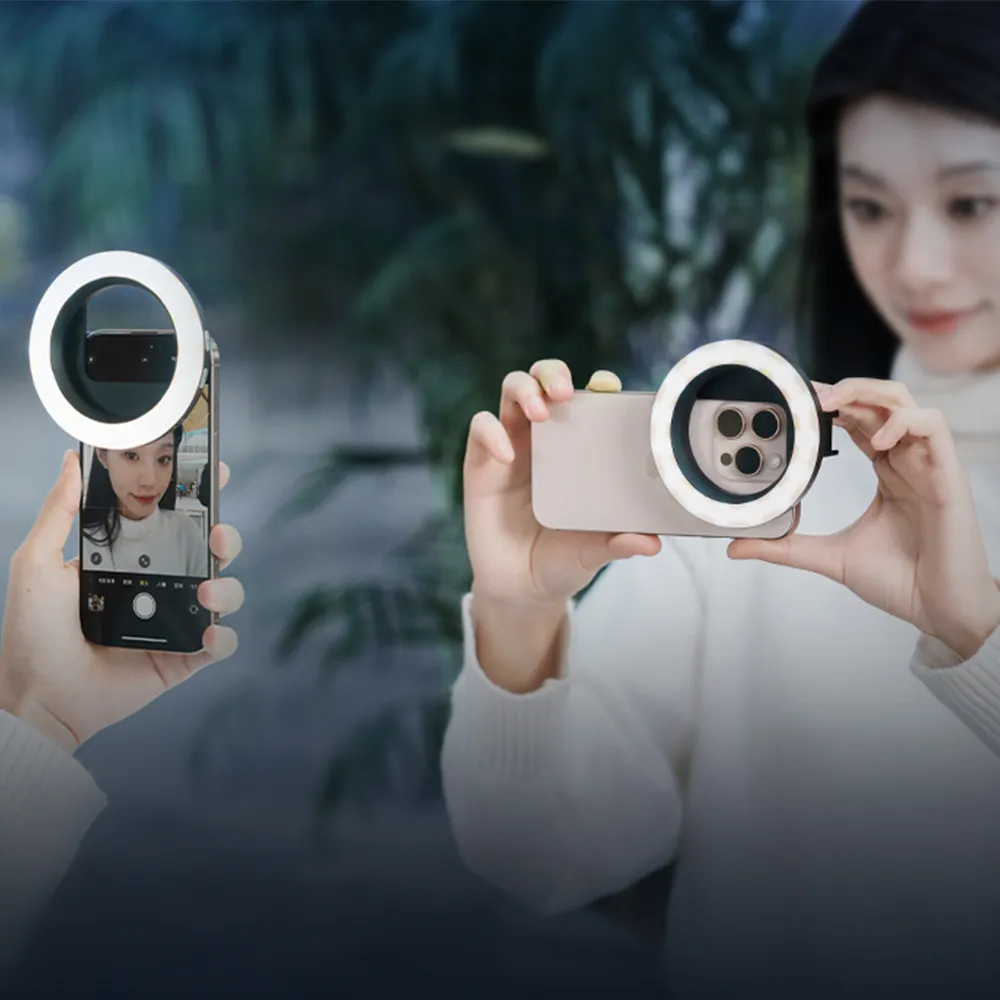
Softbox lighting wraps around faces naturally. The large diffused source creates gradual shadows that bring out bone structure without harsh lines. Many professional lighting guides recommend large, daylight-balanced sources for accurate skin tones across different complexions. Ring lights, by contrast, flatten everything. You lose dimension, and skin can look washed out or overly bright in the center frame.
Shadow Management
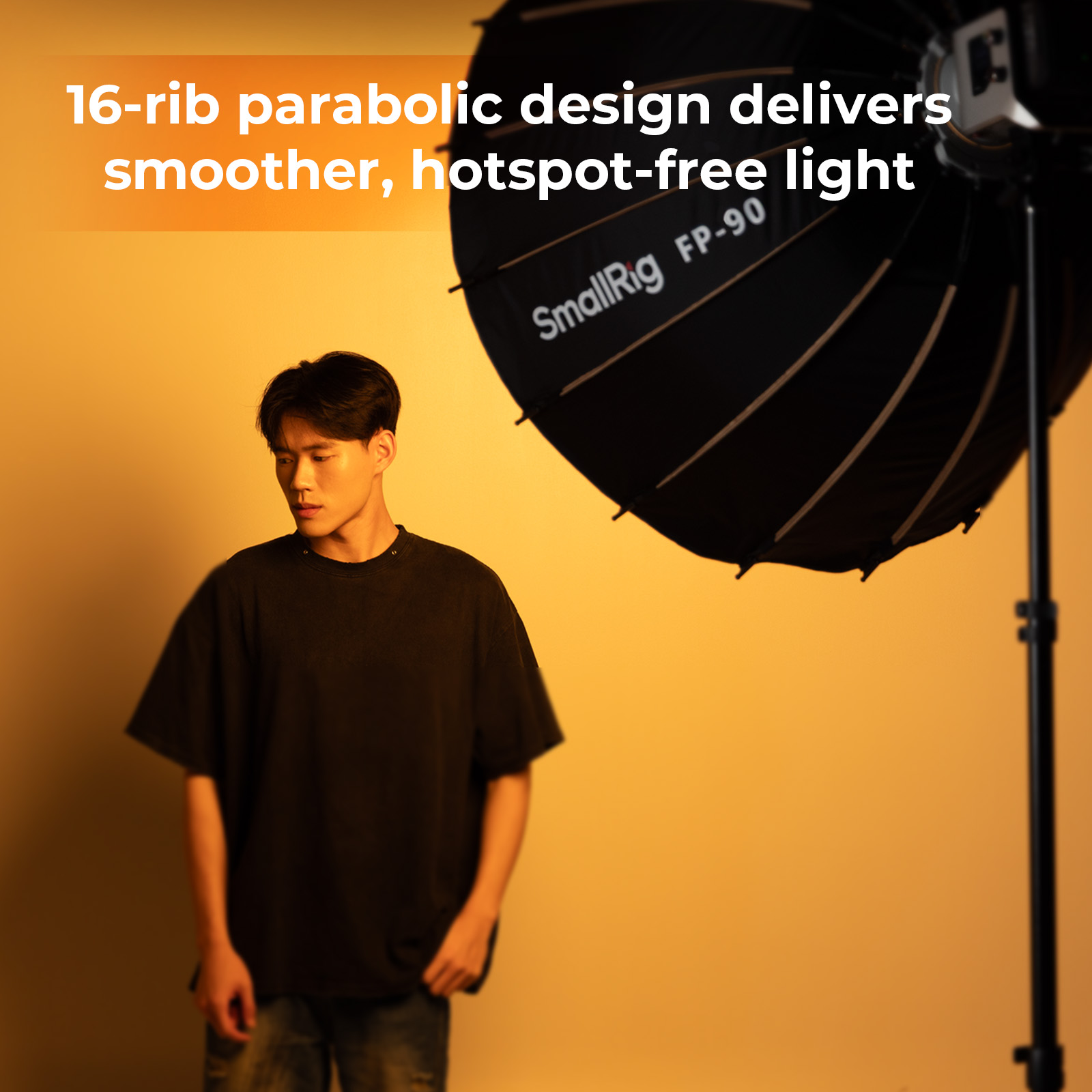
With a softbox, you control where shadows fall by moving the light source. Position it at 45 degrees for classic Rembrandt lighting, or go overhead for fashion-style drama. Ring lights eliminate most shadows entirely—sounds good until you realize that some shadow gives faces depth and shape. For headshots and professional portraits, shadow control matters.
Facial Dimension
Here's where softbox photography really shines. The directional quality sculpts features, making cheekbones pop and jawlines defined. Ring lights create that signature circular catchlight in the eyes, which looks cool for beauty content but can make portraits feel flat and amateur. If you're building a portrait photography lighting kit for client work, softboxes deliver results that actually sell. As a practical example, pairing your key light with a SmallRig softbox (plus optional grid) keeps contrast under control while preserving shape on cheekbones and jawlines.
Which Works Better as a Video Light: Softbox or Ring Light?
Video production has different demands than still photography, and your studio lighting choice needs to match how you shoot.
Color Accuracy Over Time
Daylight-balanced (~5600 K) soft LED panels and softboxes are commonly used for interviews because color stays consistent over long takes. Ring lights, especially cheaper models, can shift color as they heat up. For hour-long recordings, that's a problem.
Multi-Person Scenarios
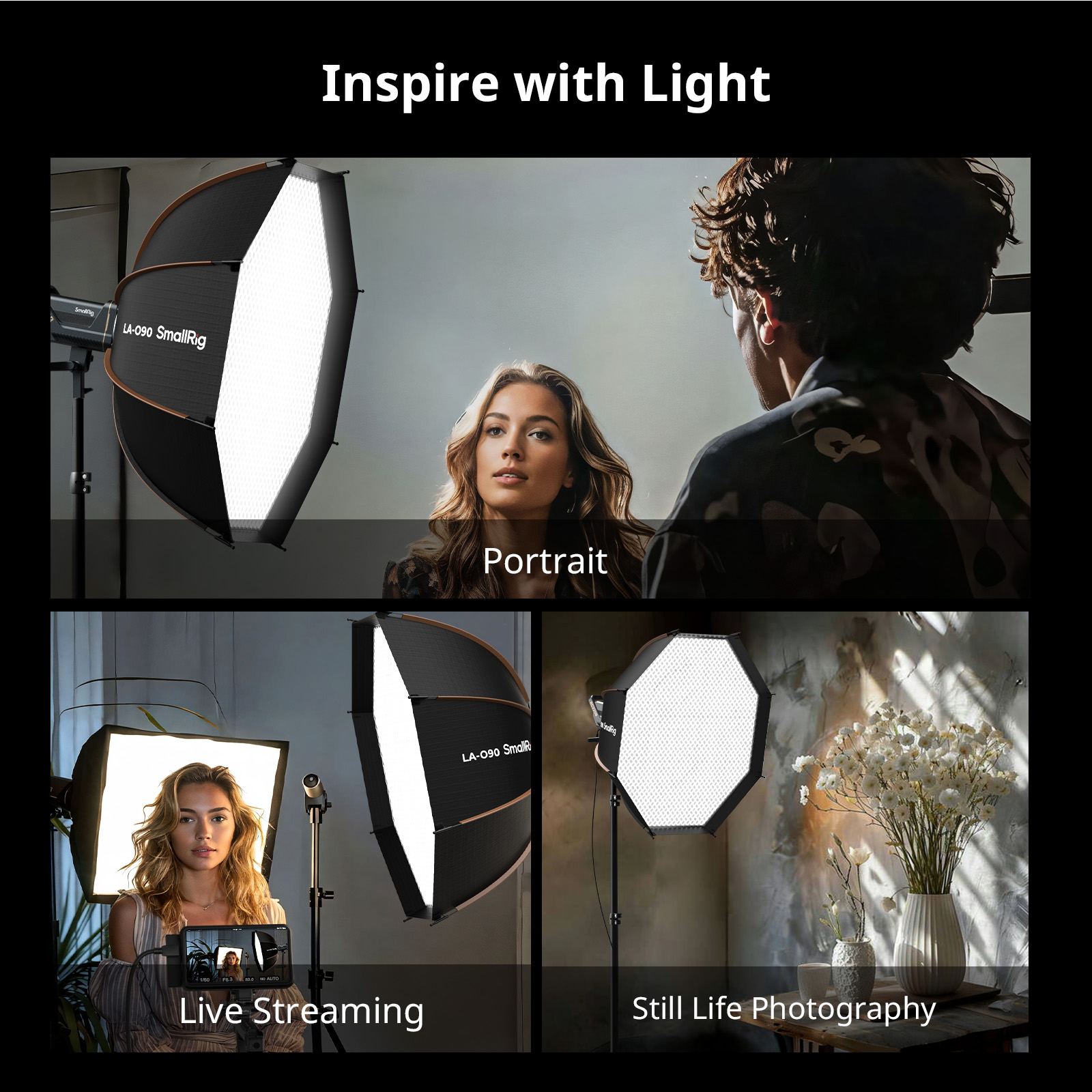
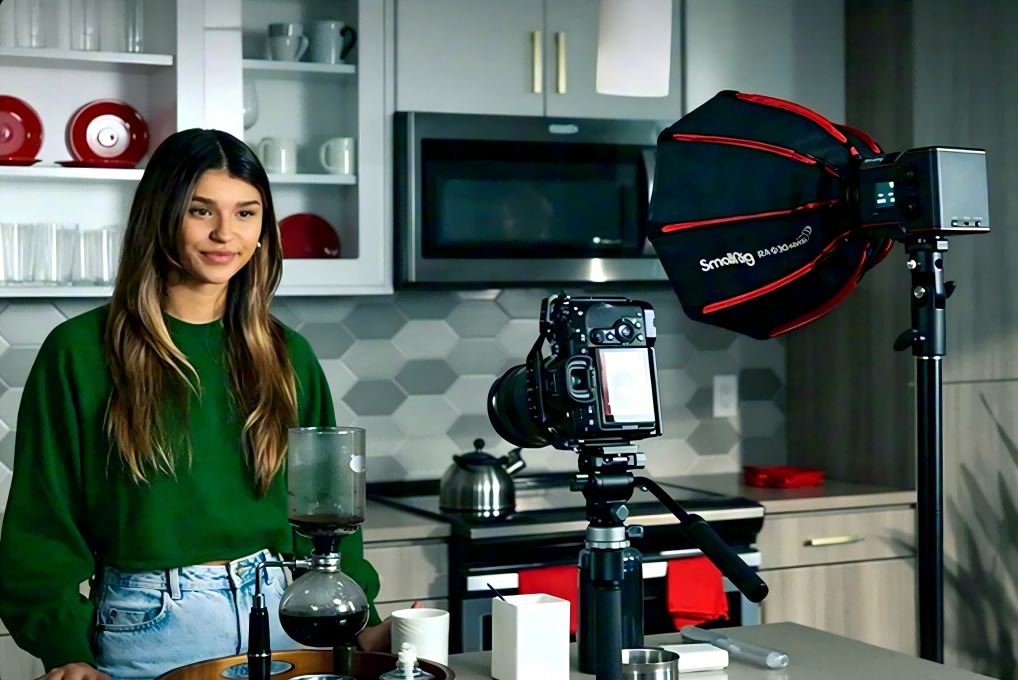
Try lighting two people with a ring light—it doesn't work. The circular beam pattern leaves whoever's off-center in shadow. Softbox lighting lets you position multiple sources or use a single large box to evenly cover several subjects. That flexibility matters for professional video lighting applications such as interviews, cooking shows, or product demonstrations.
Changing Your Setup
Softboxes adapt. Swap the diffusion panel for a grid, add colored gels, or bounce light off walls. Ring lights do one thing. If your video work involves different looks or locations, softbox photography gives you options that justify the extra setup time. SmallRig’s softbox system supports grids and gel use and mounts cleanly to common LED heads, so you can switch from flat interview light to a more dramatic wrap without rebuilding your rig.
How to Choose the Right Studio Lighting for Your Work?
Stop guessing and follow this decision framework based on what you actually shoot.
Step 1: Define Your Content Type
Make a list. Are you shooting product reviews, fashion portraits, talking-head videos, or beauty content? Ring lights excel at close-up, single-person content where that eye reflection looks intentional. Everything else—especially work you'd charge money for—benefits from softbox lighting.
Step 2: Measure Your Space
Softboxes need room. An octagonal 48-inch box extends about a few feet from the stand. Small bedrooms and cramped corners make setup frustrating. Ring lights fold up and mount almost anywhere. Measure your actual shooting space before buying photography lighting gear that you can't properly position.
Step 3: Set a Real Budget
Entry-level ring lights start around $30-$50. Decent softbox photography kits with stands and bulbs run $100-$200. Professional-grade studio lighting systems hit $300-$1000+. Here's the truth: cheap ring lights work fine for casual content. Cheap softboxes often have flimsy construction and uneven diffusion. If money's tight and you're just starting, a quality ring light beats a terrible softbox. If you’re on a starter budget, look at a SmallRig ring light for quick wins; when you’re ready to grow, SmallRig softbox kits slot into larger two- or three-light builds without wasting that first purchase.
Step 4: Be Honest About Learning Curves
Ring lights are plug-and-play. Softboxes require understanding light placement, intensity ratios, and modifier effects. If you're willing to learn portrait photography lighting techniques, softboxes reward that investment. If you need results today with zero experience, ring lights remove the learning barrier.
Step 5: Think Long-Term
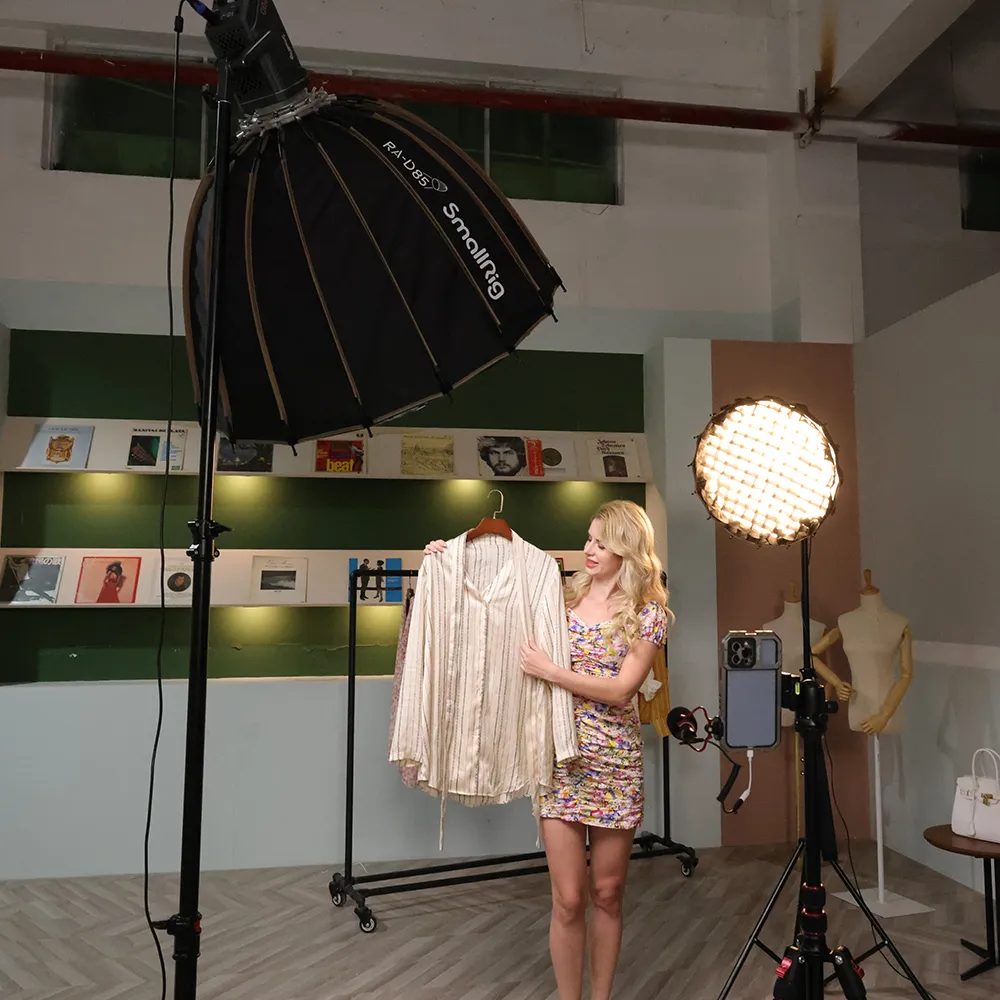
Here's what matters: can you expand this setup? Softboxes integrate into larger studio lighting systems. Add background lights, hair lights, and fill sources as you grow. Ring lights max out fast—you can't really build around them. Consider where your photography lighting needs go in six months, not just today.
FAQs about Ring Light & Softbox
Q1. Can I Use My Phone with a Softbox, or Do I Need a Real Camera?
Phones work fine with softbox lighting—the light doesn't care what's capturing it. You'll need a phone tripod and someone to help position things since softboxes sit on stands away from you. The main issue is that phones auto-adjust exposure, sometimes fighting against your carefully set studio lighting. Switch to manual mode in your camera app if possible, or use apps like Filmic Pro for better control. Many content creators actually start with phone-and-softbox combos before upgrading their cameras, and the results look significantly better than ring-light phone videos for anything beyond beauty close-ups.
Q2. Do Professional Photographers Ever Use Ring Lights, or Are They Just for Beginners?
Some pros keep ring lights around for specific jobs. Dental photographers use them for clinical documentation where you need shadowless, even coverage. Fashion photographers sometimes use large ring flash units for editorial looks. But these are specialized tools, not main lights. The reality is that professional portrait photography lighting relies on softboxes, umbrellas, and beauty dishes because clients expect that quality. Ring lights have their place, but if you're charging for sessions, your softbox photography skills matter more.
Q3. What Happens If I Buy the Wrong Size Softbox for My Space?
Too-large softboxes bump into walls and ceilings, making positioning impossible. Too-small ones create a harder light that defeats the purpose. For most home studio lighting setups in bedrooms or small offices, 32"×32" or 36"×48" boxes hit the sweet spot. Measure from where you'll stand to where the subjects sit—you want the softbox about a few feet from your subject, so ensure that distance feels comfortable. If you're under 10 feet total room width, go smaller. You can always add a second light later for more coverage.
The Final Verdict: Which Light Should You Actually Buy?
The winner depends entirely on what you're shooting. Ring lights handle beauty content and quick social videos perfectly. For everything else—real portrait photography lighting, professional video light work, and commercial studio lighting—softboxes deliver quality that pays off. Stop overthinking it: if you're serious about lighting in photography as a skill or business, invest in a decent softbox kit. Your work will look more professional right away, and you'll never outgrow the technique. Ready to upgrade? Check out SmallRig’s ring lights for simple, on-axis beauty work, and SmallRig softboxes for controllable, studio-grade softness—pick the one that fits your space and start shooting today.
Keep Reading
 Best Portable Lighting Setup for Solo Content Creators
 Review: SmallRig RF 20C Portable Zoom Light
 Why You Need a Video Light: A Complete Guide for Content Creators
Related Products from SmallRig