
Search smallrig.com...


The Ultimate Guide to Winter Macro After Snowfall
@eimage123 2026-01-26 04:31:07
After snowfall, winter becomes one of my favorite seasons for macro photography. Many people assume there is nothing to photograph in winter, but in reality, the challenge is not the lack of subjects—it is knowing what to look for and where to find it.
When I enter a forest after snowfall, I usually focus on a few specific areas:
· Fallen Logs, Decaying Wood & Tree Bases
The first is fallen logs, decaying wood, and the bases of trees. These locations experience slower temperature changes, and even after snow, it is still possible to find mushrooms—especially cold-tolerant species or specimens that have entered a dormant state. They are often partially covered by snow, with only a portion exposed, which can actually create ideal conditions for macro photography. In addition to mushrooms, there are many other winter subjects suitable for macro work.
· Frost & Ice Details
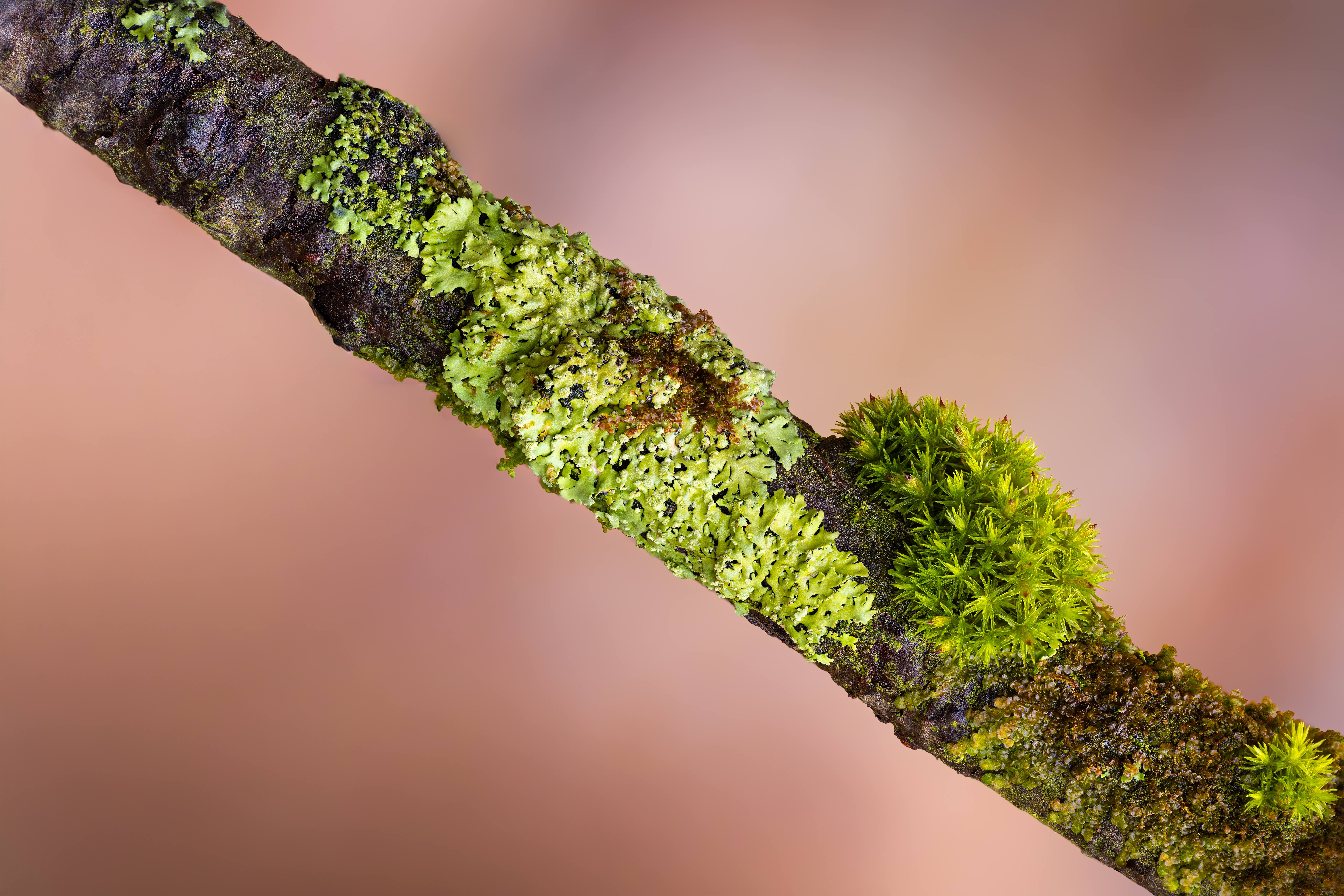
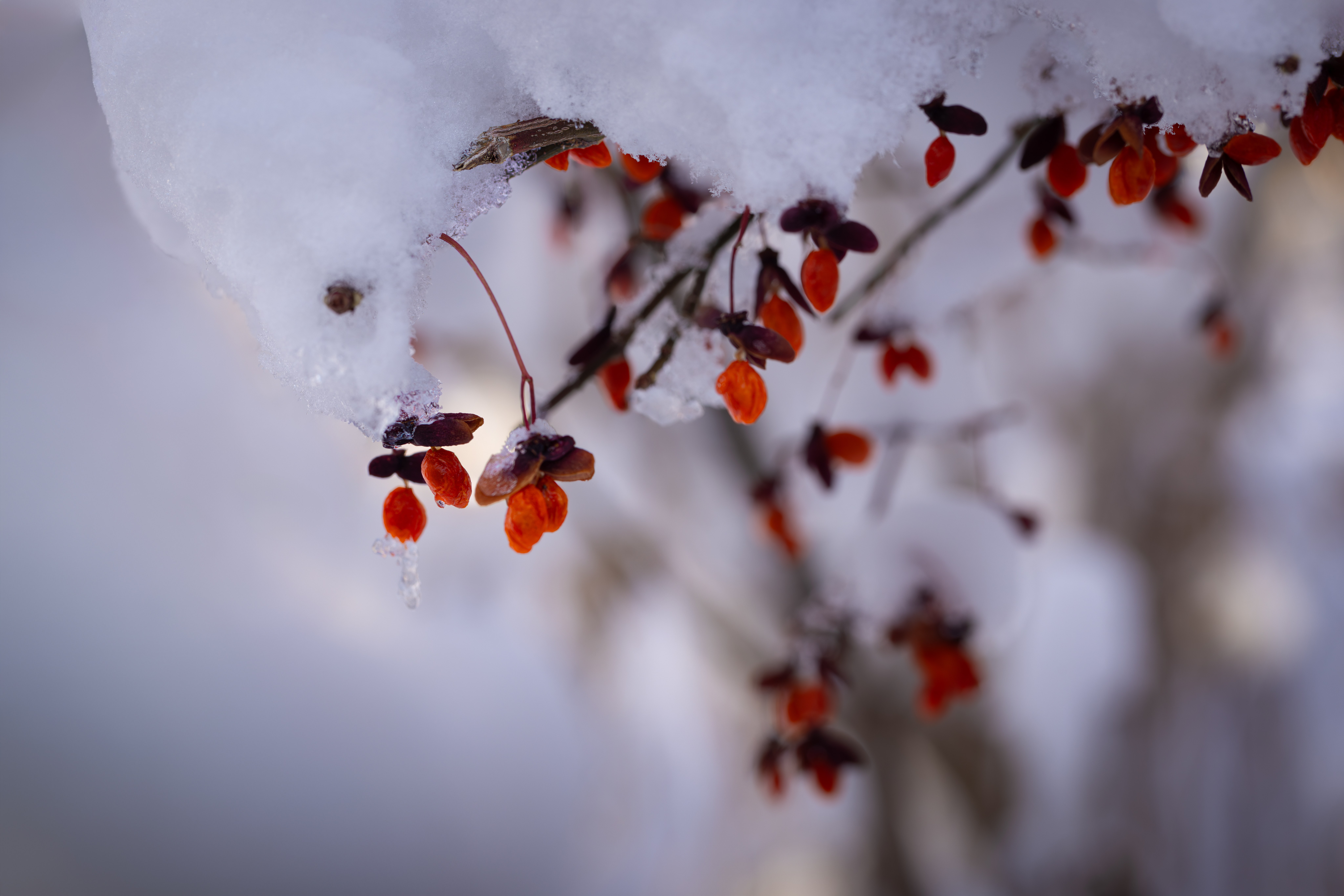
Frost-covered mosses and lichens, ice forming along the edges of dead leaves, plant stems encased in freezing rain, as well as remaining seeds or insect egg cases on branches, are all worth observing. These subjects do not move, allowing for a slower shooting pace, which is especially important in cold conditions.
The Lighting Challenge in Winter
Lighting is often the biggest challenge in winter macro photography. Overcast skies combined with snow-covered ground tend to produce very flat ambient light, making images lack depth and separation. When relying solely on natural light, fine details are easily lost, and the subject may not stand out clearly.
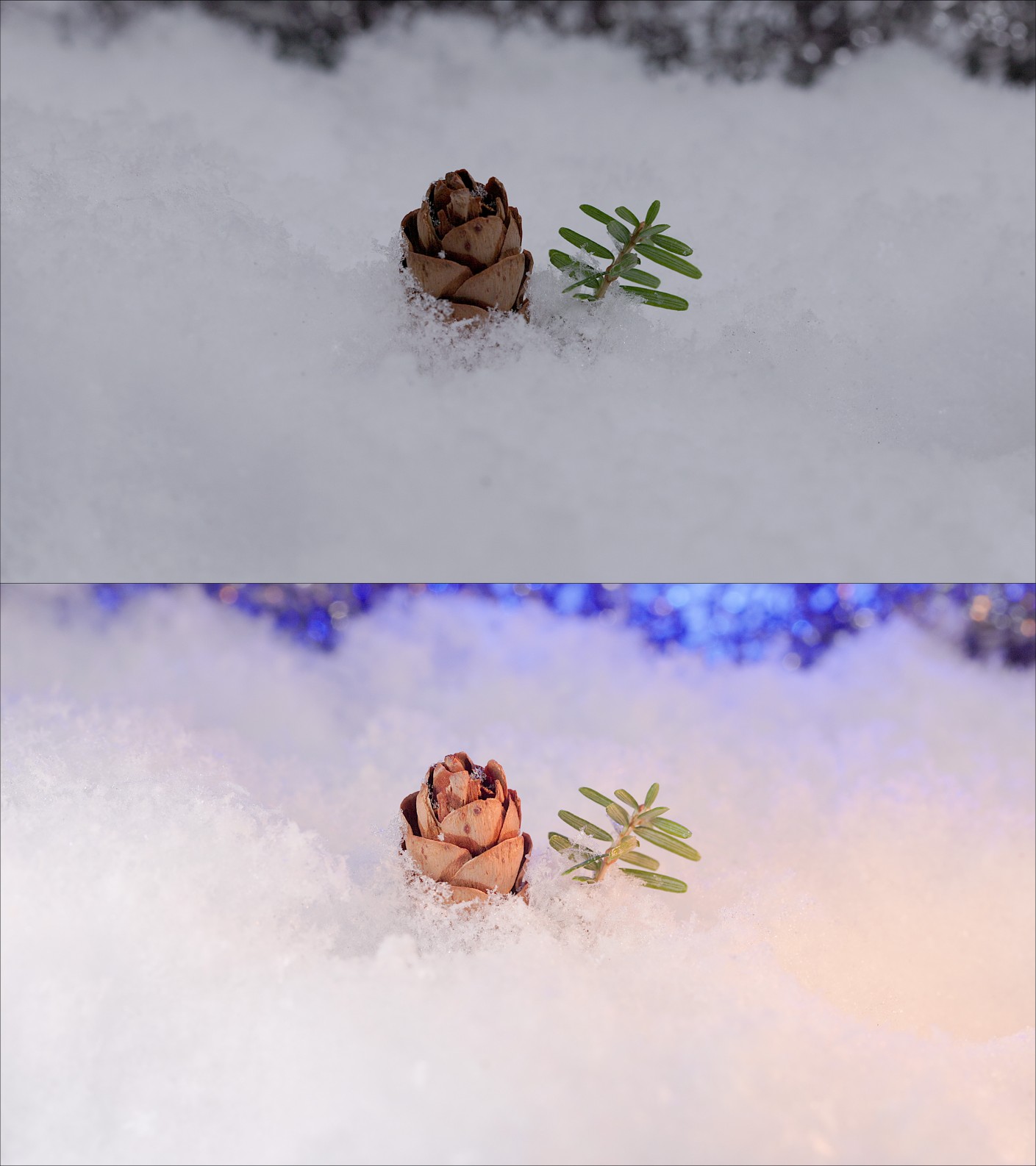
For this reason, I usually use a macro fill light to assist with illumination. In snowy environments, fill lighting is not about making the image brighter; instead, it is about reshaping the direction of light. By introducing side light or low-angle light, surface textures covered by snow can become visible again, and the image gains more dimensionality instead of appearing flat.
Precision Lighting for Macro
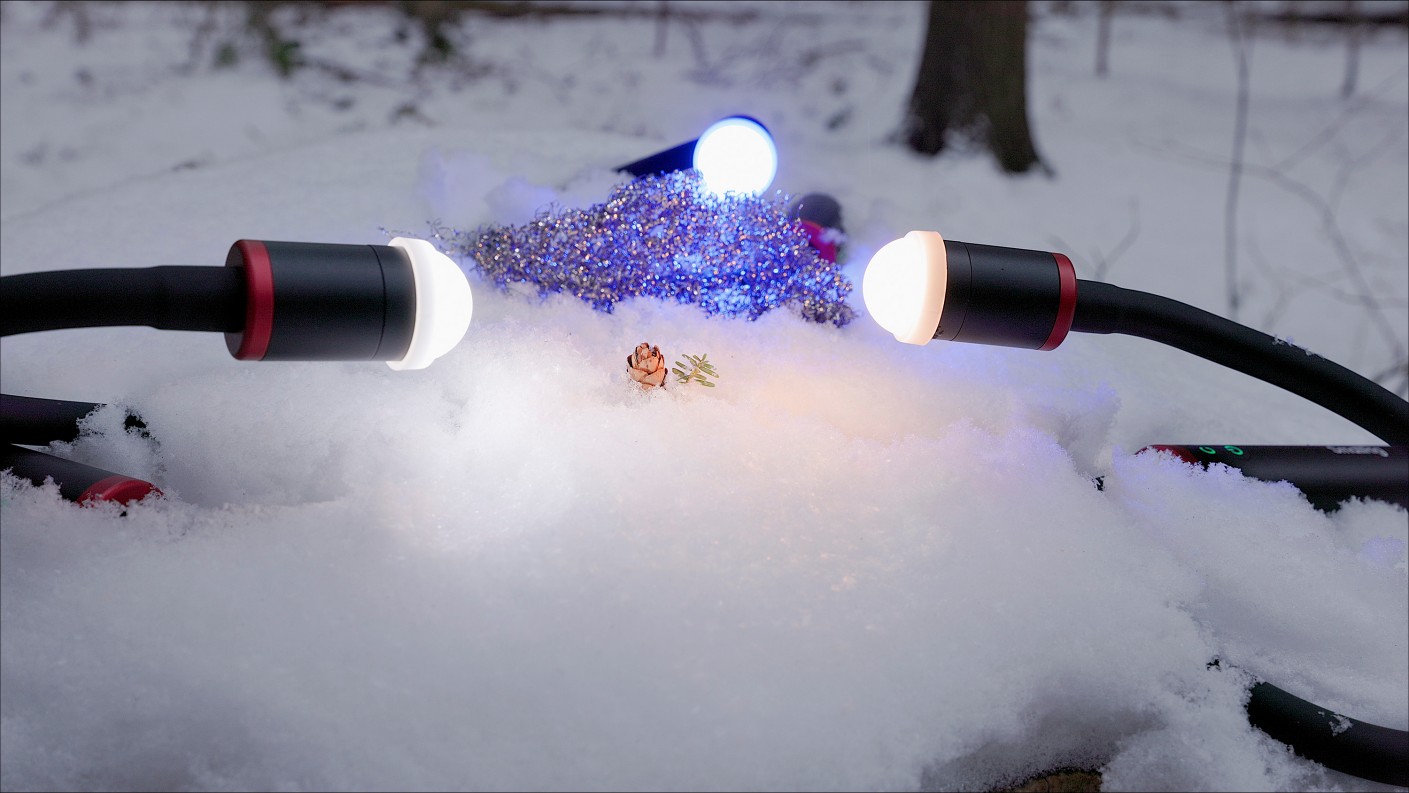
Macro photography requires a high level of precision in lighting. When photographing mushrooms or mosses, I prefer to position the fill light close to the subject. By adjusting the angle of the light head and using diffusers or barn doors, I can control the illuminated area precisely—highlighting only the parts that matter, rather than flooding the entire scene with light.
Gear Tips for Cold Conditions
· Using fill lights in low-temperature environments also requires attention to weather resistance and operational efficiency.
· Snow eventually melts into water, and if a light lacks basic protection, placing it directly on snow can present safety concerns. At the same time, simpler lighting setups allow for faster adjustments, reducing the need to repeatedly remove gloves in cold conditions.
· After finishing the shoot and returning indoors, there is one final step that should not be overlooked. Do not open your camera bag immediately. Allow the equipment to remain inside the bag for a period of time so the temperature can rise gradually. This helps prevent condensation from forming when cold gear suddenly encounters warm, humid air, and it plays an important role in protecting cameras and lenses over the long term.
Final Thought
Winter is not an off-season for macro photography. By adjusting how you search for subjects and making thoughtful use of fill lighting, snowy forests can still offer a wide range of unique and rewarding macro opportunities.
Keep Reading
 Best Portable Lighting Setup for Solo Content Creators
 Review: SmallRig RF 20C Portable Zoom Light
 Why You Need a Video Light: A Complete Guide for Content Creators