
Search smallrig.com...


What Is the Difference Between a Camera Stand and a Tripod?
SmallRig 2025-11-26 04:42:01
Contents
If you've ever tried to take a sharp photo in low light, you know how shaky hands ruin shots. That's where camera support gear helps. But here's the thing—people often use "camera stand" and "tripod" like they mean the same thing. They don't. A tripod is just one type of camera stand. Think of it this way: all tripods are camera stands, but not all camera stands are tripods. Let's break down what makes each one different.
How Is a Tripod Different from a Camera Stand?
The easiest way to understand the difference is to look at them side by side. Here's a straightforward comparison:
The key takeaway here is that "camera stand" is the big umbrella, and tripods sit under it as the most common option. What really sets tripods apart is that three-legged design. Those three legs create what engineers call a stable triangular base—the same principle that makes three-legged stools so steady. This gives tripods an edge in stability that most other camera stands can't match.
What Types of Camera Stands Include Tripods?
Camera stands come in more varieties than most people realize. Each type serves different shooting situations.
Traditional Tripod
These are what most folks picture when they hear "tripod." Three legs, adjustable height, usually with a head on top where your camera mounts. Traditional tripods can handle cameras from lightweight mirrorless bodies to heavy DSLRs with big lenses. You'll find them everywhere—from mountain peaks where landscape photographers chase sunrise shots to wedding venues.
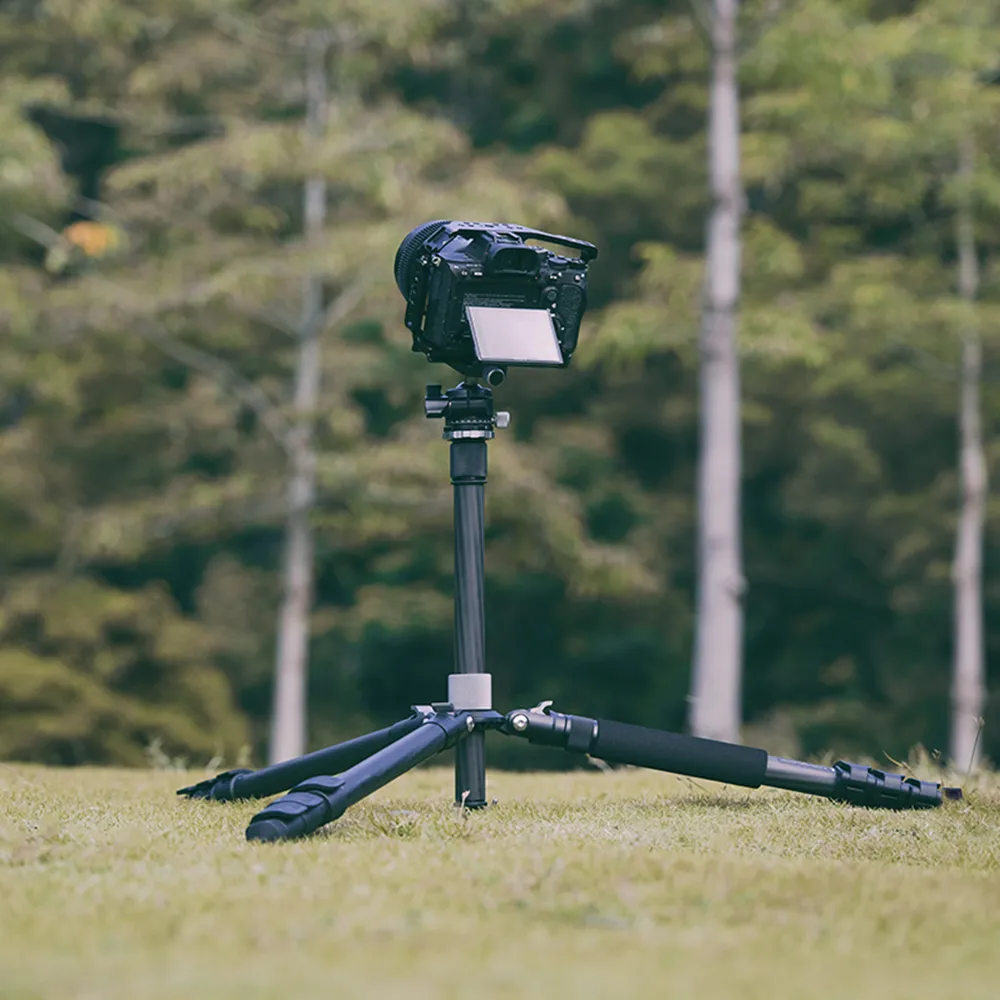
The standard tripod typically extends to roughly 55–67 inches (about 4.6–5.6 ft) on photo/travel models, with heavy-duty video kits reaching about 72–78 inches. Quality models from brands like SmallRig can support 15–30 lb, while heavy-duty carbon-fiber systems are rated up to ~33–55 lb.
Monopod Options
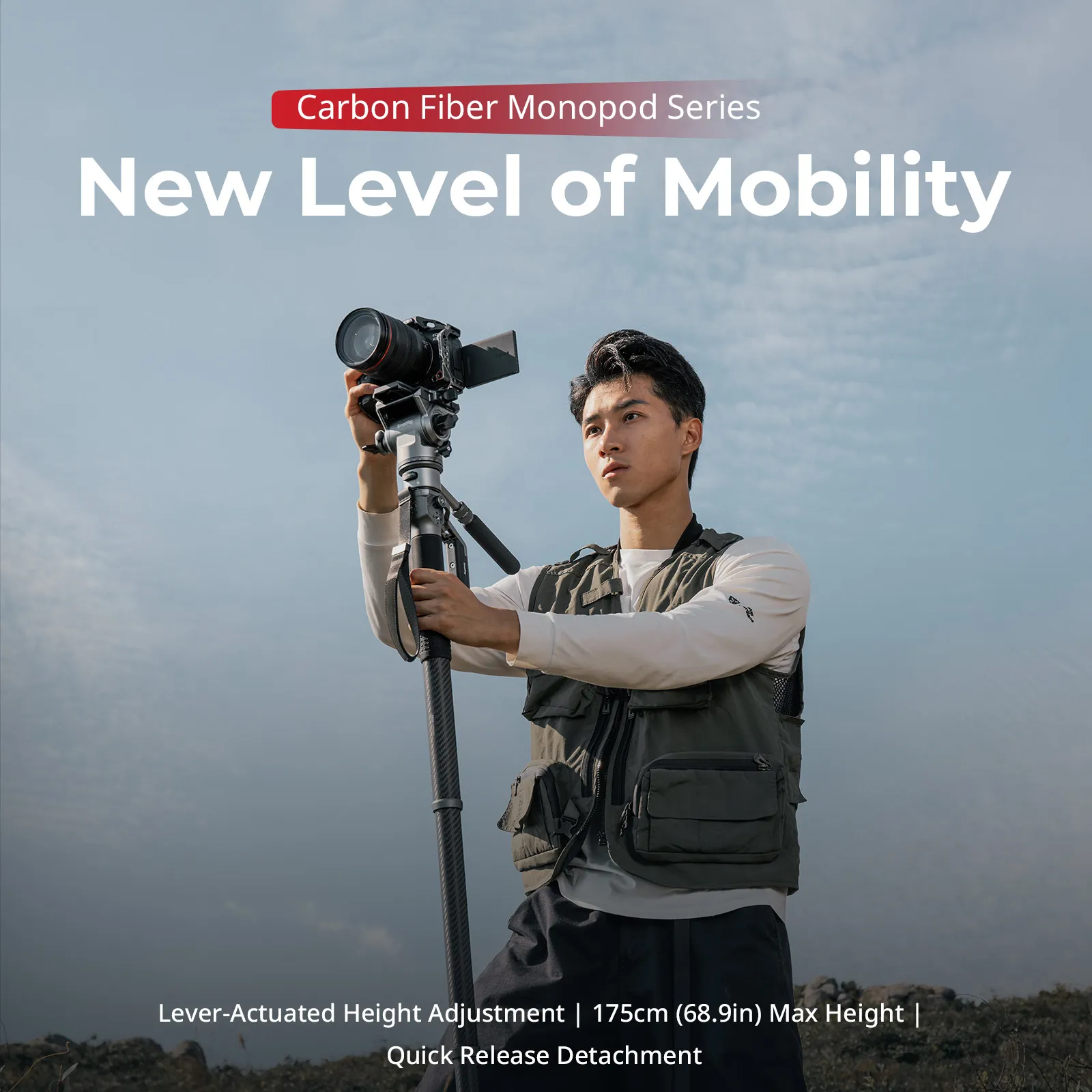
Strip away two legs from a tripod and you've got a monopod—literally a single pole. Sports photographers love these because you can move fast while still getting some stability. A monopod won't stand up by itself, so you're still supporting it, but it takes enough weight off your arms to prevent camera shake during long games or wildlife shoots.
Compact Tabletop Supports
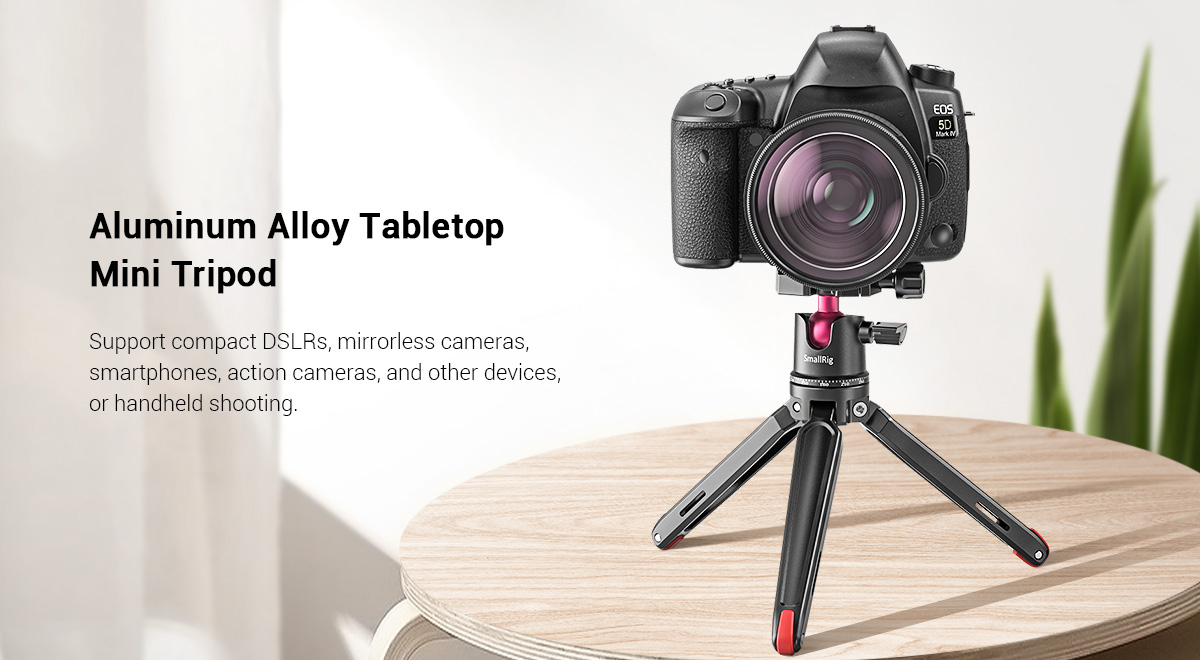
These little guys are perfect for travel or vlogging. Tabletop tripods stand maybe 6 to 12 inches tall and work great when you've got a surface to set them on—a table, rock, car hood, whatever. The Joby GorillaPod became famous in this category because its flexible legs wrap around tree branches or railings. SmallRig’s mini/tabletop tripods list working heights around 113–210 mm (≈4.4–8.3 in).
Specialty Stabilization Gear
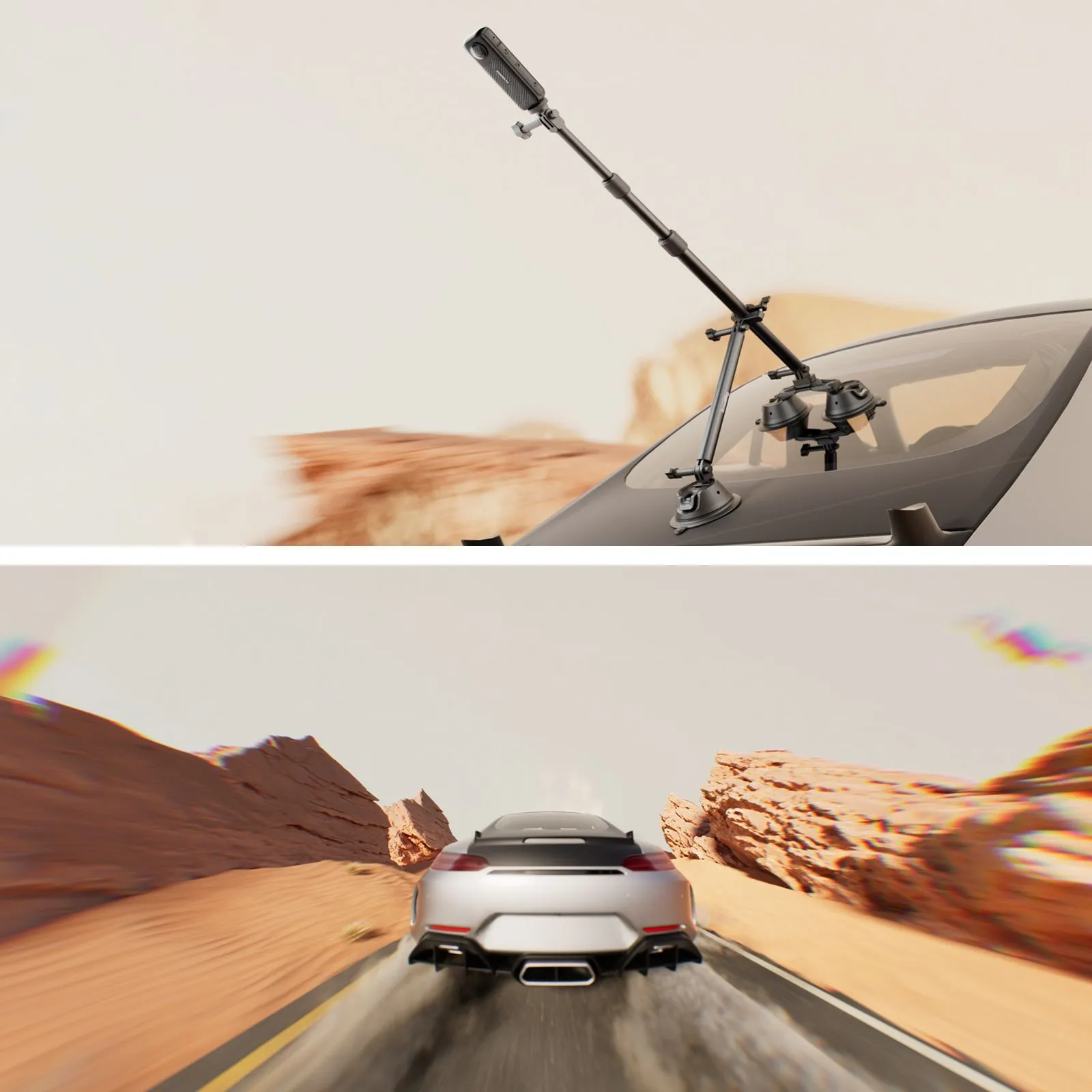
This category includes everything else—shoulder rigs, gimbals, suction mounts, clamps, and those big studio pedestals. Gimbals keep your camera level while you move. Suction mounts stick to car windows for driving shots. These aren't everyday gear for most photographers, but they're essential for specialized work.
When Should You Choose a Tripod Over Other Stands?
Knowing when to reach for a tripod versus another camera stand makes a real difference in your results.
Long Exposure Needs
When you're shooting anything slower than about 1/60th of a second, hand-holding gets risky. Photos start showing motion blur from tiny hand movements. Tripods solve this completely. Night photography, light painting, and flowing water shots—these all need exposures from several seconds to several minutes. Only a tripod provides the rock-solid stability required.
Video Recording Needs
Recording smooth video hand-held is tough, even with modern image stabilization. Your footage ends up with that annoying shaky-cam look. Tripods eliminate this problem. Whether you're filming a talking-head video, recording a concert, or capturing family events, a tripod keeps everything level and steady.
Landscape and Studio Work
Landscape photographers live and breathe tripods. When you're working with careful compositions and want everything sharp from foreground to background, you need a tripod. It lets you fine-tune your framing and use smaller apertures with slower shutter speeds. In studios, product photographers might take dozens of shots of the same item from the exact same angle—try doing that hand-held.
Travel and Mobility
Here's where tripods can be a pain. They're heavier and bulkier than other options. A full-size tripod in your carry-on takes up serious space. This is why travel tripods exist—they sacrifice some stability and height for packability. Some photographers choose lightweight carbon fiber tripods that are typically lighter than aluminum and priced higher in comparable lines (exact multiples vary by model).
How to Choose a Quality Tripod?
Not all tripods are created equal. A cheap tripod can actually make things worse—nothing's more frustrating than watching your camera slowly tilt forward because the head can't hold the weight.
Load Capacity and Weight
Check the tripod's maximum load capacity before buying. Add up your heaviest camera body, plus your biggest lens, plus any accessories. Now double that number—that's a safe minimum for your tripod's capacity. Manufacturers often list optimistic weight limits.
Material and Build Quality
You'll mainly see aluminum and carbon fiber. Aluminum is cheaper, heavier, and conducts cold—not great when you're shooting winter landscapes. Carbon fiber models in SmallRig’s lineup weigh as little as ~1.2 kg (tripod only) and are positioned above aluminum versions in price tiers.
Height Range
Your tripod should extend tall enough for comfortable shooting without the center column raised—that's the weakest position. It should also collapse low enough for ground-level shots. A good range is about 27–31 inches folded (travel/video kits) and roughly 59–77 inches extended, depending on the model.
Tripod Head Type
Ball heads are fast and intuitive—you loosen one knob, position the camera, tighten it. Three-way pan-tilt heads give more precise control but are slower to adjust. Video shooters need fluid heads for smooth panning. Match the head to your shooting style. If you want ready-to-go options, brands like SmallRig offer ball heads and fluid video heads that pair well with travel and studio tripods.
Portability and Storage
Look for quick-release leg locks that actually work. Check the folded length—will it fit in your camera bag or under an airplane seat? Some tripods fold with legs reversed, saving several inches. Little details like these matter when you're carrying gear all day.
FAQS About Tripods and Camera Stands
Q1. Are Cheap Tripods Worth Buying for Occasional Use?
Budget tripods under $50 might seem tempting for occasional shooting, but they often create more problems than they solve. The main issues are weak leg locks that slip under load, flimsy heads that can't hold your camera steady, and plastic components that break after minimal use. If you only shoot occasionally, consider renting a quality tripod for specific projects rather than buying a cheap one that'll frustrate you. Alternatively, look for used tripods from reputable brands—a five-year-old Manfrotto in good condition outperforms most new budget models and costs about the same.
Q2. Do I Need Different Tripods for Photography and Videography?
Not necessarily, but the ideal setup differs. Photography tripods work fine for video if you swap the head—replace a ball head with a fluid head designed for smooth panning and tilting. The legs themselves can be identical. However, dedicated video tripods often include features like a mid-level spreader for extra stability, bubble levels, and counterbalance systems for larger cameras. If you do both regularly, a quality tripod with interchangeable heads is more practical and affordable than buying two complete systems.
Q3. How Do I Know If My Tripod Is Stable Enough?
Test stability by setting up your tripod with your heaviest gear mounted, then gently pressing down on the camera. A stable tripod barely moves. Next, try the "tap test"—tap the camera and watch how long it takes for the vibrations to stop. Quality video tripods in this class advertise load ratings around 10–25 kg (≈22–55 lb), which correlates with better vibration damping when properly balanced.
Choosing the Right Stand for Your Gear
Ready to upgrade your kit? Start by listing your height/load/material needs based on how you shoot, then pick a reliable tripod and head; if you want the easy path, look at turnkey sets from top-tier brands—such as SmallRig portable tripods paired with fluid video heads—which offer strong value and expandability for everything from travel to long-term creative work.
Keep Reading
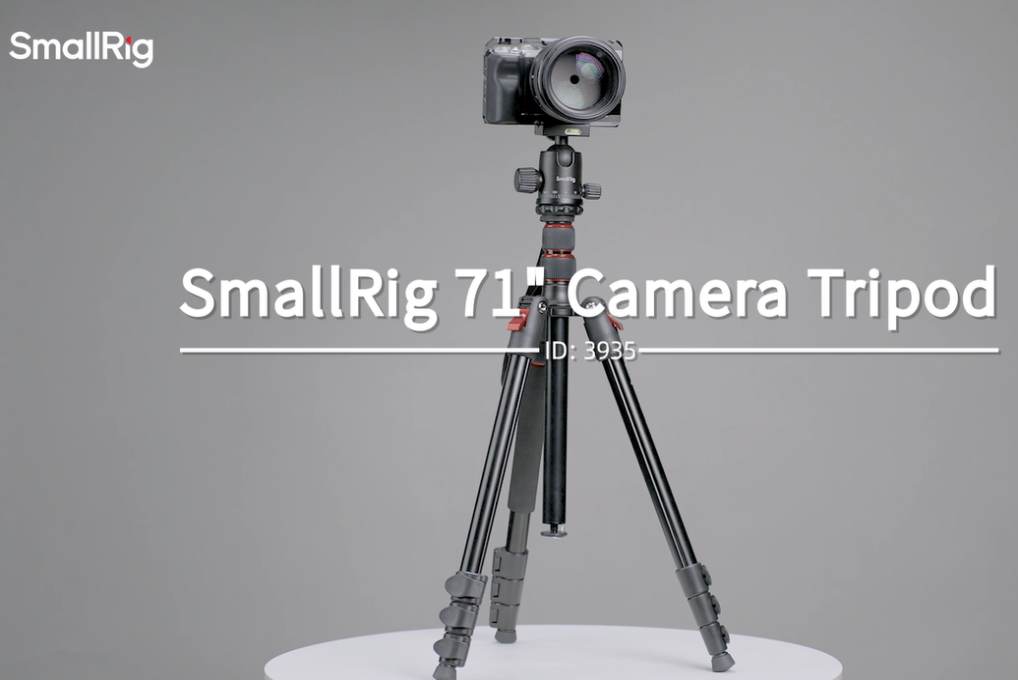 71" Camera Tripod 3935: A Quick Guide to Mastering Versatile Shooting
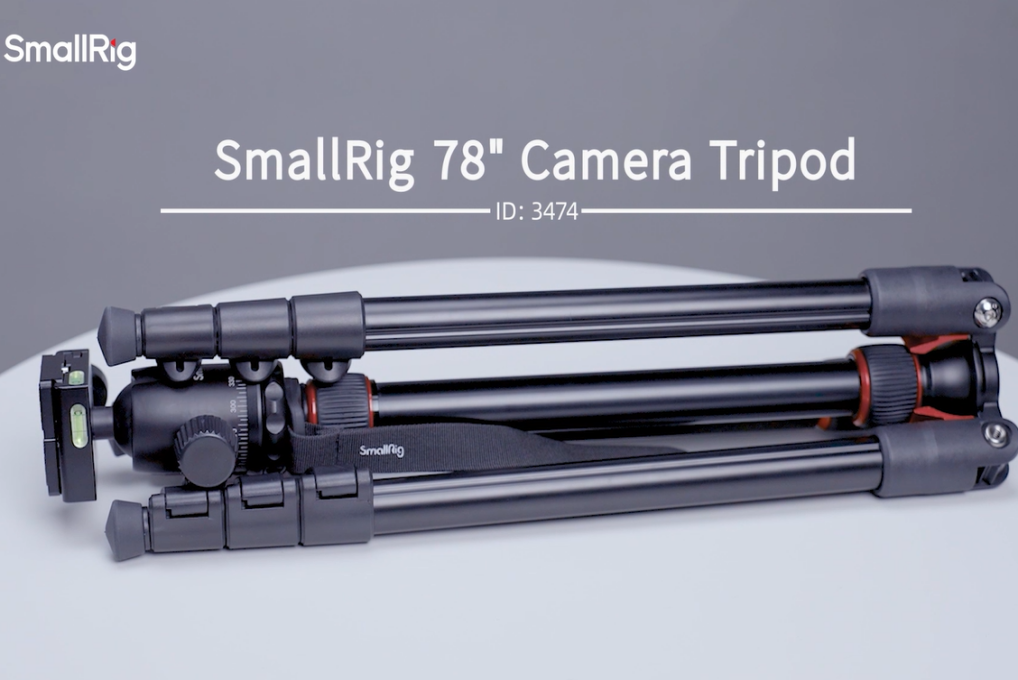 A Complete Guide to Using the SmallRig 78" Camera Tripod 3474C
 How to Connect the Wireless Control Handle 4329 with the Follow Focus Motor 4297
Related Products from SmallRig