
Search smallrig.com...


How to Choose the Right Tripod Head: A Complete Buyer's Guide for 2026
SmallRig 2025-11-26 20:20:34
Contents
Picking the right tripod head is simpler than you think. Ball heads work best for photography, fluid heads excel at video, and pan-tilt heads give you studio precision. Match the head to your camera weight and shooting style, and you'll see better results immediately.
What Are the Main Tripod Head Types Available in 2026?
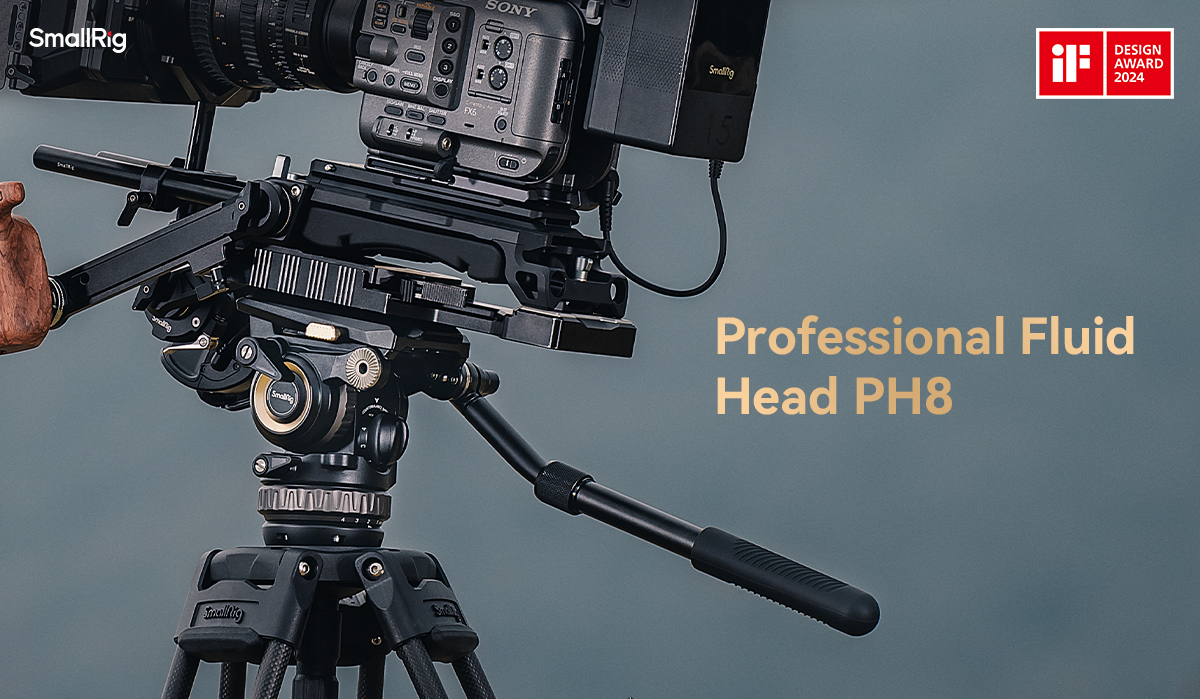
Understanding your options is the first step to choosing the right tripod head for your camera tripod.
| Tripod Head Type | Key Features | Main Benefits | Best For | Price Range |
| Ball Head Tripod | Single ball joint, one-knob locking | Quick adjustments, easy to use, lightweight | Landscape, travel, everyday photography | $34-$715 |
| Fluid Head Tripod | Hydraulic damping system, smooth panning |
Fluid motion control, adjustable drag | Video shooting, documentaries, weddings | $160-$7,000+ |
| Pan-Tilt Head | Three independent control axes | Precise micro-adjustments, lock each axis separately | Studio photography, architecture, product shots | $80-$1,000 |
| Gimbal Head | Side-mounted support design | Balances telephoto lenses, tracks moving subjects | Wildlife, sports, bird photography | $200-$1,500 |
| Pistol Grip Head | Trigger-style control handle | One-handed operation, portable | Street photography, quick shooting | $40-$400 |
Ball heads and fluid heads dominate the market because they cover what most people actually shoot—stills and video.
How Do You Choose a Tripod Head Based on Your Shooting Needs?
Your shooting style determines which tripod head type will serve you best.
Photography Work
A ball head tripod setup is perfect for still photography. You loosen one knob, position your camera, then tighten it down. That's it. No fussing with multiple controls when you're chasing golden hour light.
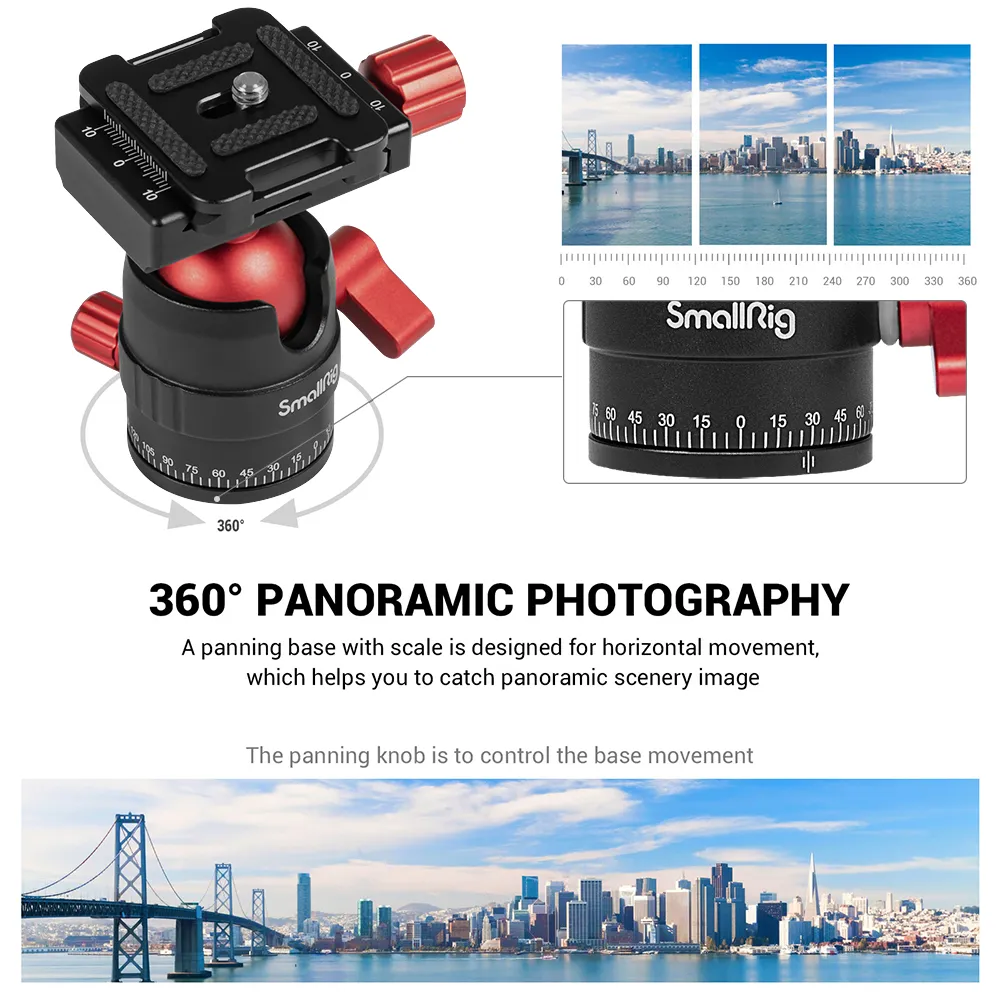
Ball heads excel at landscape work where you're constantly recomposing. The single locking mechanism means you work fast without thinking about which knob controls what. Most ball heads also weigh less than other types, which matters when you're hiking to that perfect vista.
The sweet spot? A ball head that handles 1.5 times your heaviest camera setup. This gives you room for upgrades without buying twice.
Video Production
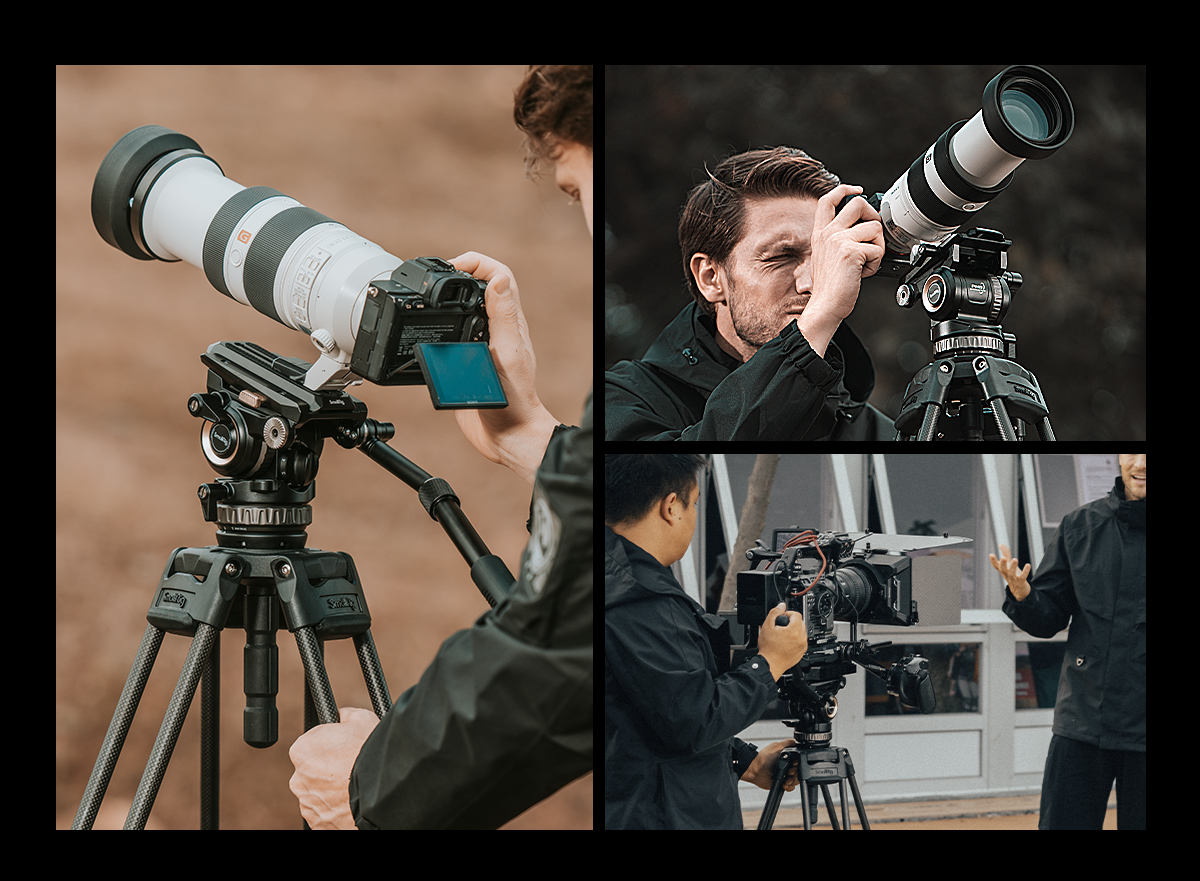
Video demands smooth movement from your tripod for camera work. That's where fluid head tripods shine.
The hydraulic fluid inside these heads smooths out your pans and tilts. No jerky movements, no sudden stops. Professional videographers rely on this because viewers notice shaky footage instantly.
Modern fluid heads let you adjust drag separately for pan and tilt movements. Shooting a slow landscape reveal? Crank up the drag. Following fast action? Dial it back. This control separates amateur video from professional-looking content.
Studio Sessions
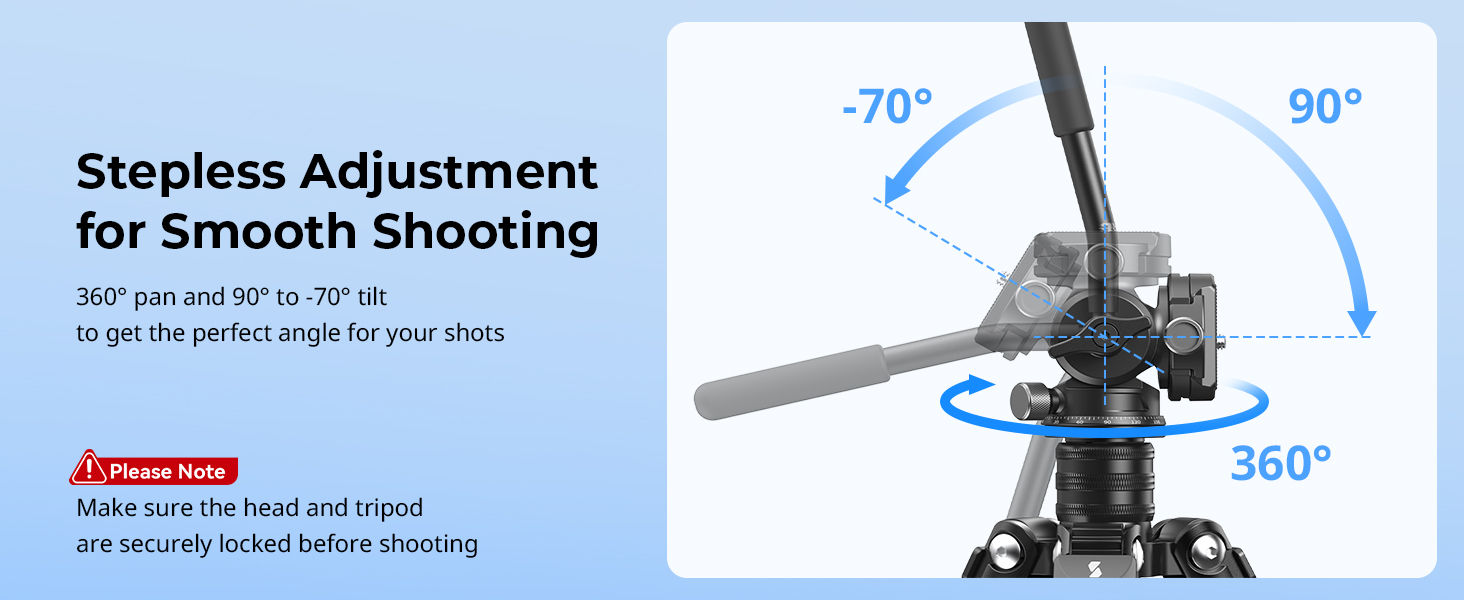
Product or architecture photography needs movement in straight lines along specific axes. Pan-tilt heads give you independent control over horizontal rotation, forward-backward tilt, and side-to-side tilt.
This precision matters for architectural photography,. where keeping vertical lines straight is everything. Adjust one axis without accidentally moving another—something that's hard with a ball head.
Wildlife Photography
Got a 600mm lens? You need a gimbal head. These specialized heads balance your lens at its center of gravity, letting you track birds or animals with minimal effort. Regular ball heads struggle with heavy telephoto lenses—gimbals make them feel weightless.
Each head type excels at specific tasks, so choose based
on your primary shooting need.
What Tripod Head Weight Capacity Do You Actually Need?
Weight capacity is where most people make mistakes when choosing their camera tripod head.
Calculate Camera Setup Weight
Weigh everything that goes on your camera tripod—body, heaviest lens, battery grip, mic, monitor. Add it all up. Your tripod head's rated capacity should be at least 1.5 times that number.
Why? Because weight ratings usually mean "this is where the head stops working smoothly," not "absolute maximum before failure." You want operational headroom.
Safety Margins and Load Standards
Independent reviews in recent years have noted that some low-cost heads can overstate load ratings, whereas established brands tend to rate more conservatively. A $50 head claiming a 30-pound capacity? Be skeptical. A $300 head from a known brand with the same rating? Probably legit.
Heavy Equipment Requirements
Shooting with cinema cameras or large format bodies? You need specialized heads rated for 15+ pounds. These typically use standard 3/8"-16 mounting threads, so they fit most professional tripods. Just verify before buying—some lighter tripods max out at lower capacities even if the head can handle more.
Always give yourself capacity headroom for reliable performance.
Why Should You Consider SmallRig Tripod Heads?
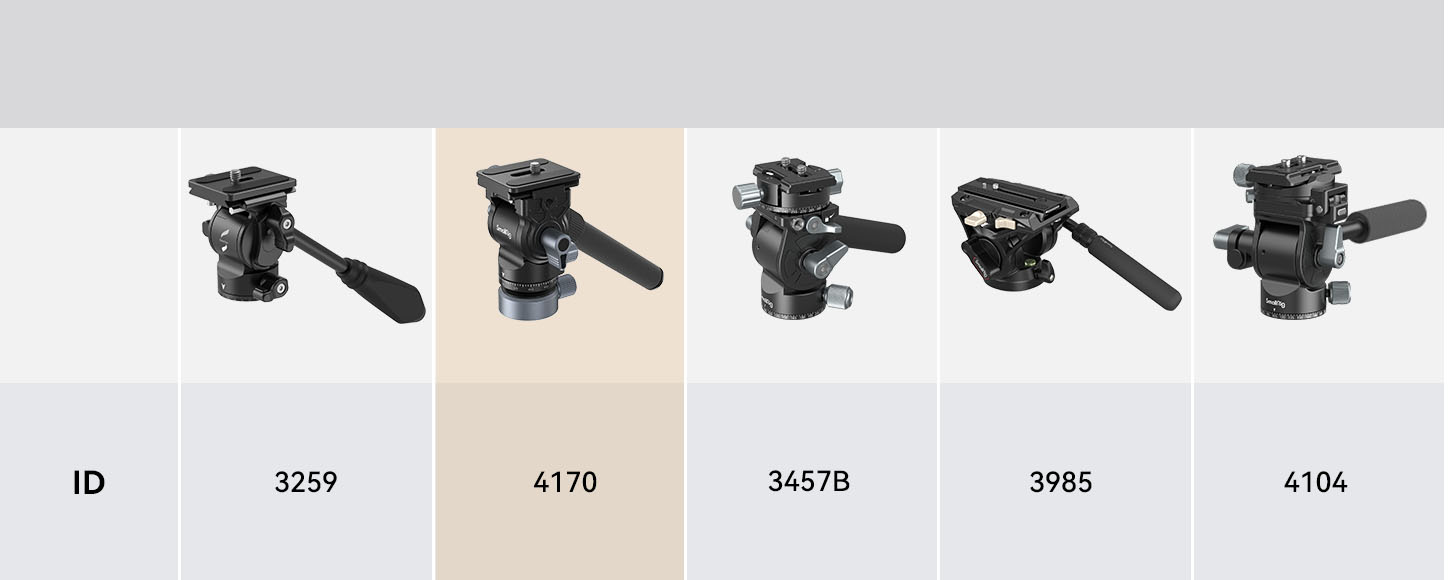
SmallRig offers professional quality at accessible prices for video tripod and photography needs.
Brand Overview and Advantages
SmallRig was founded in 2013 and has built a solid reputation among content creators. Their tripod heads hit a sweet spot: professional build quality without premium pricing.
What sets them apart? SmallRig listens to working photographers and videographers. Their ball heads include features like independent pan lock and, on some models, friction presets—
something you used
to only get on $500+ heads—at prices starting well under $100 (for example, the SmallRig 3034 lists at $33.99 USD)
Ball Head Tripod Options
SmallRig's ball head lineup covers compact travel heads for mirrorless setups to beefier models handling DSLR plus 70-200mm f/2.8 combos. Many models use Arca-Swiss compatible quick-release plates (e.g., SmallRig Aluminum Panoramic Ball Head 3034), so you're not locked into proprietary accessories. The machining quality rivals heads costing twice as much. Smooth operation, solid locks, and no play once tightened.
Fluid Head Tripod Products
Their DH/PH models (e.g., DH10, PH8) offer adjustable pan/tilt damping with counterbalance systems, and 75 mm bowl or flat-base options depending on the kit. Current SmallRig tripod systems centered on these heads use 75 mm bowls for leveling. They use aluminum-alloy construction in the heads and tripod systems like AD-01. The fluid cartridges provide genuinely smooth movement, not the sticky resistance from friction-only heads pretending to be fluid heads.
Value Analysis of Tripod Heads
For most shooters, yes. You're getting a la
rge share of the performance at a significantly lower price than legacy brands. Their warranty support has gotten consistently positive reviews, and the user community is large enough that you'll find answers to any questions.
Choosing the Right Tripod Head
New photographer with a mirrorless camera? Start with their compact ball head series around $30–$80. Video creator shooting interviews? Their DH10-class fluid heads, which cost around $150–$300 ,deliver professional results. Working professional? SmallRig's high-end offerings make excellent backup gear or lighter-weight travel alternatives.
FAQs about Tripod Head
Q1. Do I Need A Leveling Base With My Tripod Head?
Yes—if you use flat-top photo legs, a leveling base is one of the fastest upgrades you can make. On bowl legs (75 mm), a video head’s half-ball already delivers rapid leveling without touching the leg locks. On flat-top legs, a 0–15° leveling base lets you set a true horizon in seconds for panoramas, time-lapse, architecture, and multi-shot stitches. It doesn’t replace your head; it decouples leveling from composition, keeps the panning plane horizontal, and reduces tripod fiddling on uneven ground. There’s a small weight/height penalty, but speed and repeatable accuracy usually win—especially when light is fading.
Q2. How Often Should I Maintain or Replace My Tripod Head?
Quality tripod heads can last decades with basic care. Clean dust and dirt from ball joints or fluid mechanisms every few months if you shoot outdoors regularly. Use a dry brush or compressed air—never solvents on fluid heads as they can damage seals. Apply a tiny amount of synthetic grease to ball head friction surfaces annually. Replace your head when you notice consistent drift (it won't hold position), rough movement instead of smooth operation, or visible wear on locking mechanisms. Budget heads might need replacement after 3-5 years of heavy use, while premium heads often outlast multiple camera upgrades. Don't wait until failure—if performance degrades noticeably, that's your signal to upgrade.
Q3. Can I Mix Different Brand Tripod Legs with Any Tripod Head?
Yes, with one caveat: check the mounting thread. Most tripod legs use either 3/8"-16 (common on pro tripods) or 1/4"-20 (common on consumer models). Most quality heads include both thread sizes or adapters. The real consideration is weight—don't put a heavy-duty head on lightweight legs or vice versa. Match the head's capacity to your leg's maximum load rating. Also consider the top plate diameter. Larger heads on narrow leg platforms can feel unstable. Generally, if both pieces are rated for your camera's weight and the threads match, you're good. This flexibility lets you upgrade components separately rather than replacing your entire support system.
Conclusion: Making Your Final Decision
Stop overthinking your tripod head choice. Match the type to your shooting—ball heads for photos, fluid heads for video. Ensure it handles 1.5 times your gear's weight. SmallRig delivers solid performance at fair prices. Ready to upgrade? Visit SmallRig's tripod head collection and invest in gear that actually improves your work.
Keep Reading
 71" Camera Tripod 3935: A Quick Guide to Mastering Versatile Shooting
 A Complete Guide to Using the SmallRig 78" Camera Tripod 3474C
 How to Connect the Wireless Control Handle 4329 with the Follow Focus Motor 4297