
Search smallrig.com...


Can You Bring Camera Equipment on a Plane?
SmallRig 2025-11-25 00:49:55
Contents
Flying with your camera gear doesn't have to be stressful. Yes, you can absolutely bring camera equipment on a plane, including your camera body, lenses, and most photography accessories. However, camera batteries come with strict rules—they must stay in your carry-on, and there are capacity limits you need to know about. Tripods are usually fine too, but size matters when deciding between carry-on and checked baggage. Understanding TSA regulations and airline policies will help you breeze through security and keep your gear safe throughout your journey.
Can You Bring Camera Batteries on a Plane?
Camera batteries can be a bit of a hassle to deal with when traveling with your camera gear on a plane, so let's dive into the details. The upside? You can absolutely, positively pack them, but you must adhere to specific regulations that both the TSA and airlines are very strict about.
Lithium Battery Capacity Regulations
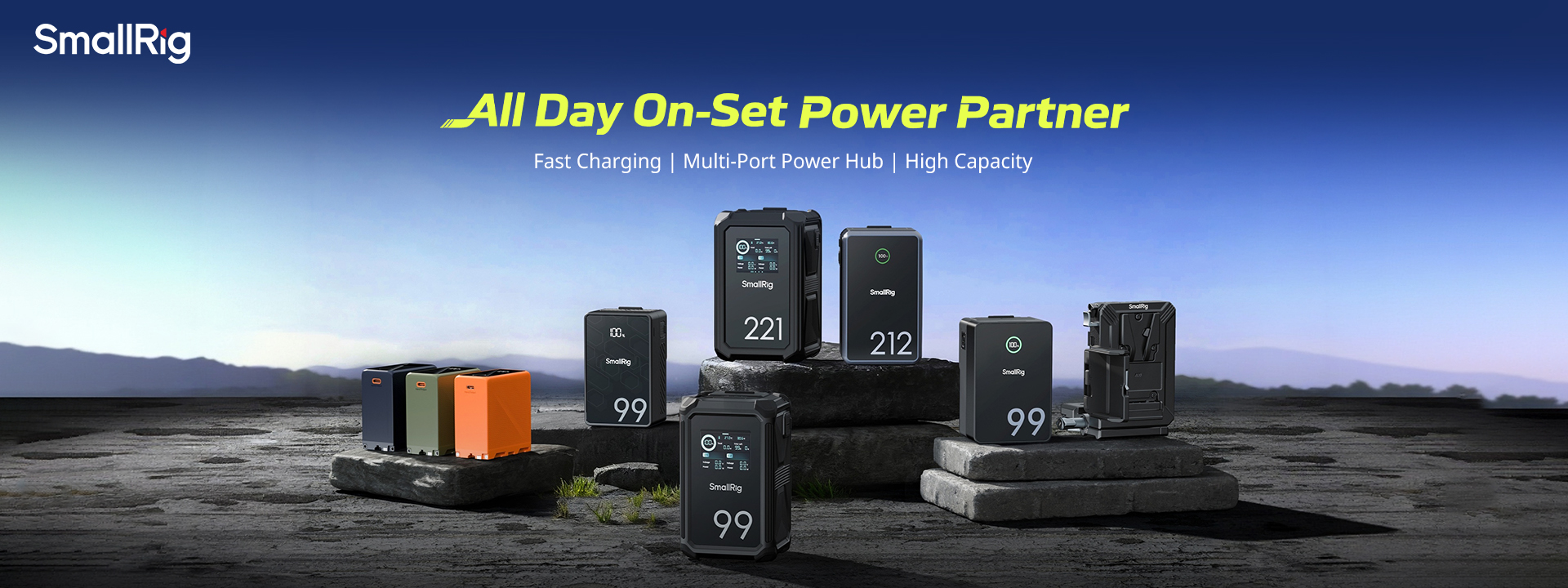
So the key thing to keep in mind here is your battery's watt-hour (Wh) rating. Most camera batteries are below 100Wh, and you can carry extra batteries of that size in your carry-on luggage with no federal quantity restrictions for personal use (as long as the terminals are securely closed). Typical ones, such as the Canon LP-E6 (roughly 14Wh) or Sony NP-FZ100 (approximately 16Wh), are vastly below this restriction, so you're good to go!
If you're working with larger batteries for professional video cameras or cinema rigs, the situation becomes more complicated. Batteries with a capacity of 100-160Wh require airline approval, are counted as two spares, and must be carried in carry-on luggage; batteries with a capacity larger than 160Wh are not permitted in passenger luggage.
Backup Battery Carriage Regulations
The golden rule: Spare lithium batteries must be placed in your carry-on bag; they should not be placed in your checked bag. Permanently installed batteries in your camera or gear can be placed in your checked bag (turned off and covered), but loose ones must travel with you on the aircraft.
When packing spare batteries, ensure the terminals are protected. Use the plastic cases they came in, or apply some tape to the contacts. I usually toss mine into a small padded case or even a ziplock bag to avoid any short circuits. Some photographers totally love those battery organizers—they're inexpensive and keep everything nice and tidy.
Camera Battery Charger Carrying Regulations
Battery chargers are really laid back. You can pack your camera battery charger in your carry-on or checked bag without any issues. They're not as hazardous as the batteries themselves in terms of the entire fire thing. Personally, I prefer to pack mine in my carry-on just so it's all in a pocket, but it's entirely your choice. And, obviously, don't pack your chargers wrong if you're traveling internationally—you'll regret it later!
Can You Bring a Camera Tripod on a Plane?
Another frequent inquiry is about tripods, for which size largely dictates the choice. Carry-ons as well as checked luggage may hold tripods, but it remains at the discretion of the screening officer.
Travel Tripod Size Criteria
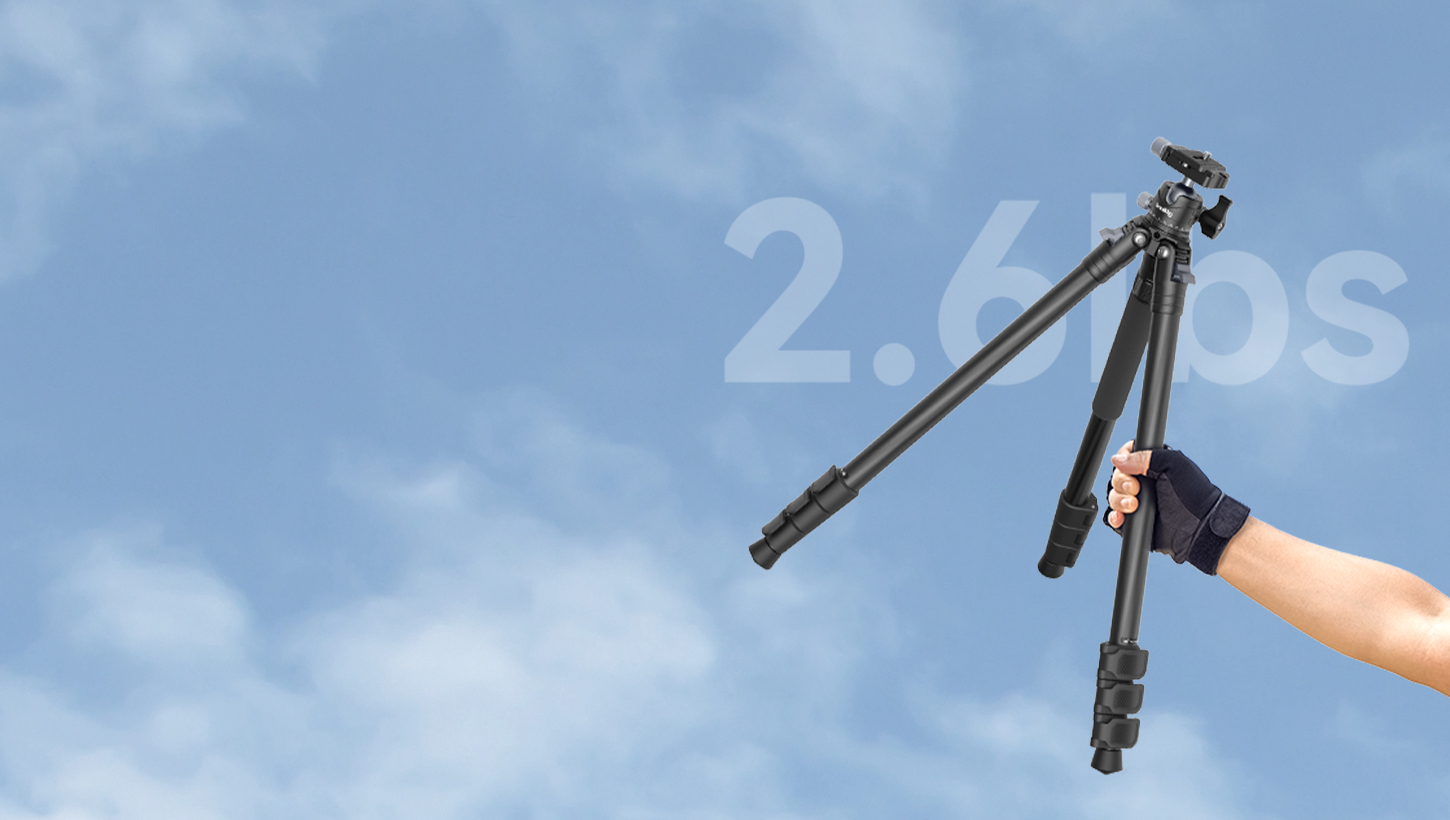
A travel tripod—one that folds to a compact size—is usually no problem as a carry-on. If it meets your air carrier's carry-on size limits (most US carriers require a maximum of 22 × 14 × 9 in / 56 × 35 × 23 cm, for example), it will generally be approved. SmallRig also offers lightweight travel tripods, as well as carbon-fiber tripods that pack easily in carry-ons and meet typical cabin sizes.
As it happens, even if your tripod technically meets the requirements, it's ultimately at the discretion of TSA officers. If they deem it a suitable weapon, they might require that you gate-check it. This isn't very common, but it's good to know.
Full-Size Tripod Verification Methods
Got a bigger, professional tripod? You need to inspect that thing. Standard tripods are too long for carry-on luggage, and attempting to force one through security will only delay you. If possible, pack it in a hard shell, or wrap the legs and head in bubble wrap or foam. Airlines are not exactly gentle with checked luggage, and a bent leg or dinged quick-release plate will completely ruin your shoot.
Some photographers send their heavy equipment ahead to save on airline fees and risk of damage. It's more expensive at first, but it may cost you less and cause you fewer headaches if you're traveling with a lot of gear.
Monopods and Desktop Tripods
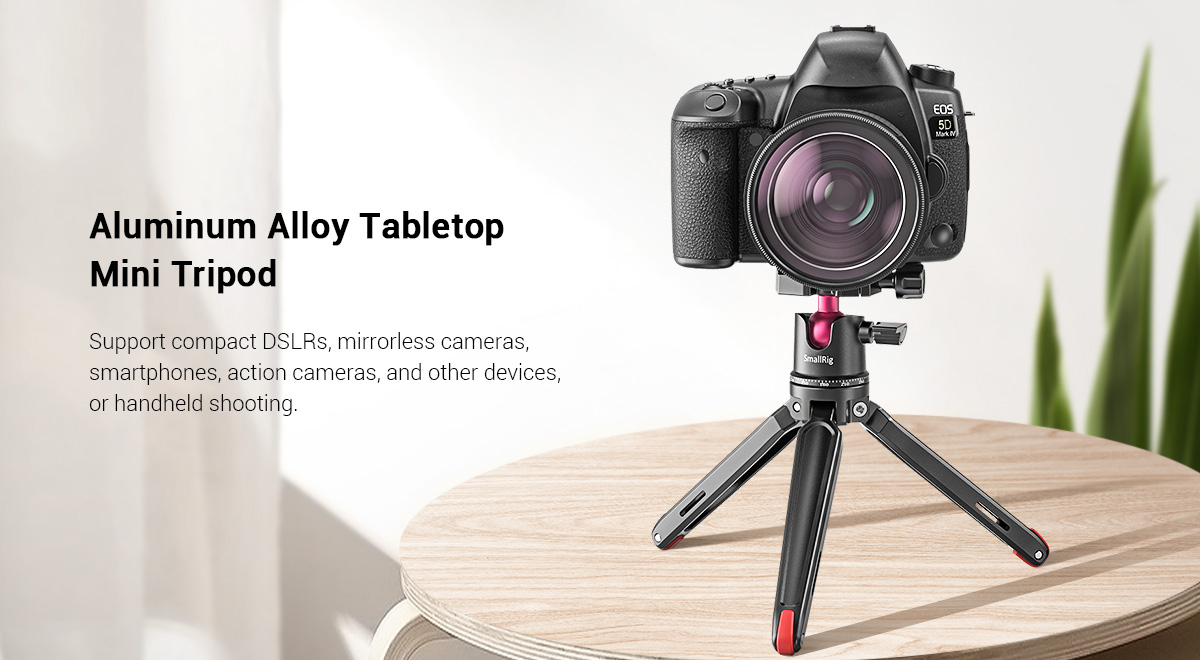
You can bring monopods in your carry-ons or checked luggage as long as they meet your airline's size requirements. Such compact desktop or mini tripods are incredibly convenient, and you can bring them anywhere. SmallRig offers mini desktop tripods, as well as travel monopods that pack even smaller, making them great carry-ons. They're great backups in case you're concerned about space or security issues.
Can You Bring Camera Lights on a Plane?
Lighting equipment truly bewilders people, in large part because many camera lamps operate via batteries that adhere to the same lithium regulations we just discussed.
LED Panel Carrying Regulations
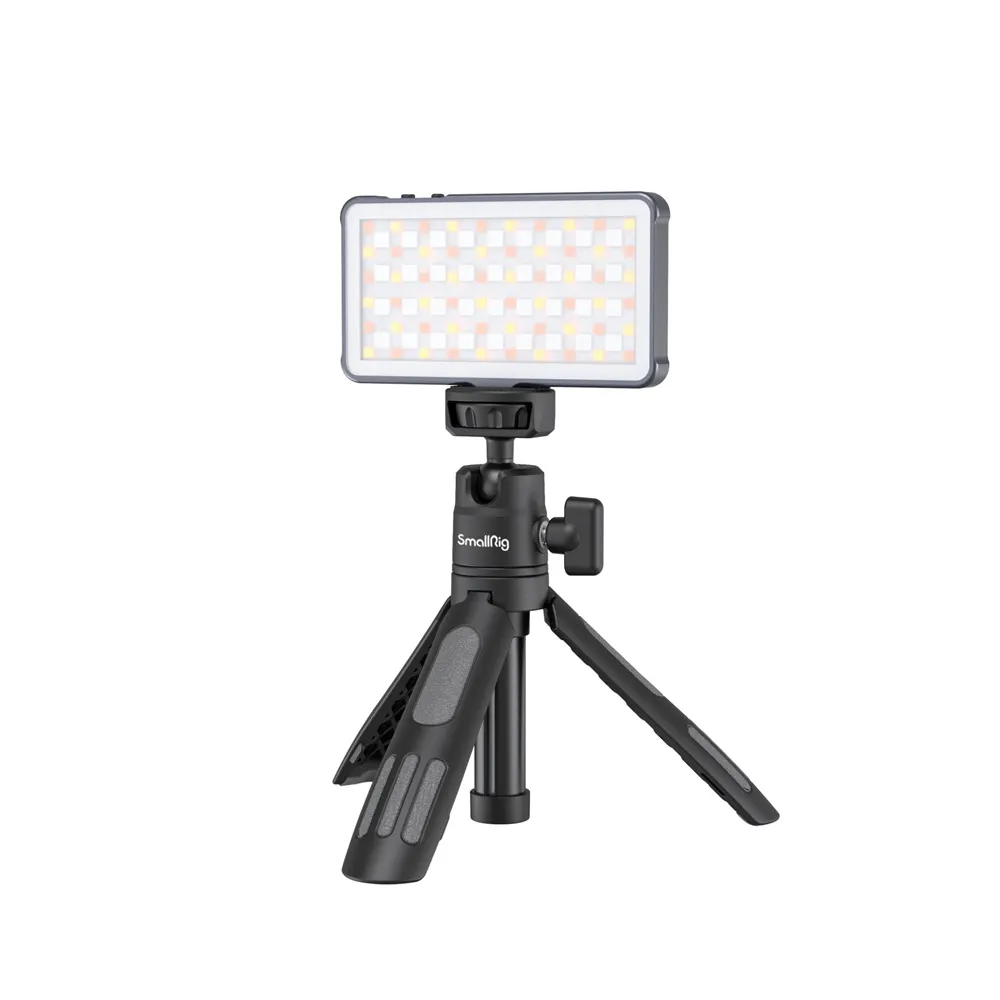
LED light panels are usually okay for carry-on or checked luggage. It's not the panel that's the issue—what powers it that you need to concern yourself with. Removable lithium batteries, as used by your LED panel, must be carried in your carry-on and adhere to the same capacity limits (under 100Wh without exemption; 100–160Wh with airline exemption, with a maximum of two spares). Integrated batteries are generally acceptable in either carry-on or checked luggage, but I would recommend keeping them in carry-on luggage as a precaution. SmallRig's pocket-sized and compact hand fill lights are just as compact, with capacities under typical thresholds—ideally suited for carry-on.
Flash Units and Speedlights
Speedlights and camera flashes are a cinch—they're allowed in carry-on and checked luggage. Alkaline or NiMH AA batteries are generally acceptable in both carry-on and checked luggage; lithium-metal AA spares must travel in carry-on only. Be sure to pack your flash with a padded case or wrap it in clothing to minimize damage during flight.
Lighting Gear Battery Restrictions
Larger units, such as COB LEDs or battery-strobes, might feature larger battery packs exceeding 100Wh. Always check your light specs before flying. Batteries with a capacity of 100–160Wh will require airline approval and typically carry just two spares in carry-ons; batteries with a capacity of 160Wh or larger will not be allowed as checked baggage. If you need to power off camera lights, SmallRig offers NP-F battery plates as well as fast-release accessories that make it easy to set up sets in accordance with airline battery guidelines. For extremely high-capacity batteries used in cinema lighting, you will need to arrange for special cargo shipping instead of bringing them as passenger luggage.
Can You Bring Photography Accessories on a Plane?
Everything else—the cages, filters, memory cards, and cables—is generally easy, but it's a good idea to have an idea ahead of time of what will happen at security.
Camera Stabilizers and Cages
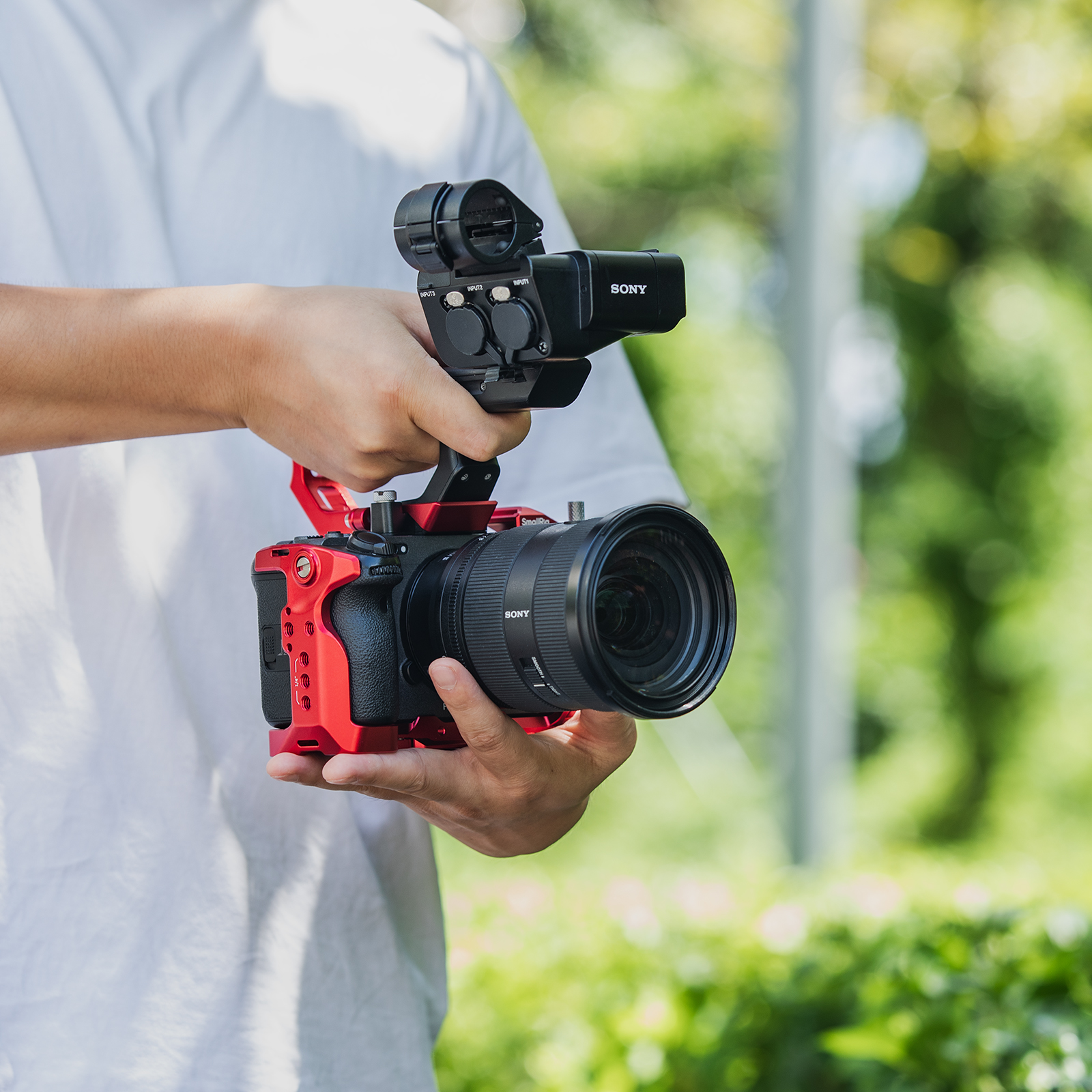
Camera cages, rigs, and gimbals are totally cool to take on planes. I know they look a bit scary on the X-ray screen, but TSA is used to seeing them. I'd suggest taking your camera case out of your bag when you go through security—it makes things way quicker and helps avoid any mix-ups. SmallRig's camera case release plates and handles are extremely popular in travel gear; if you pack them correctly, they pass through screening easily and really help you shoot better on the move.
Lenses, Filters, and Lens Hoods

Lenses are essential pieces of equipment, so make sure to pack them in your carry-on. There are no humorous regulations about lenses or filters – they're a few pieces, they're real and made of glass. Guard them with lens pouches or a padded camera bag. Checked or carry-on luggage might hold lens hoods, but I can cram mine in my camera bag, as they're relatively small.
Memory Cards and Card Readers
Memory cards and card readers are unrestricted, so you can toss 'em in your carry-on 'em checked bag—you decide. But memory cards are as small as a button and ridiculously easy to lose, so I pack mine in a card case in my personal bag. And under no circumstances should you check memory cards that contain crucial photographs. Airlines lose bags from time to time, and you really don't want to lose yours.
Camera Bags and Protective Gear
The camera bag, in a sense, is your second-best friend while flying. A quality backpack or rolling bag built for your photo equipment will have padding that keeps it all stowed safely away and in order. Camera bags are carry-ons, too, so your bag should comply with your airline's size requirements. Some photographers actually tote a camera bag as their personal bag but still pull a typical-size carry-on—check your airline's policy, as they can get a little finicky at times.
FAQs about Flying with Camera Gear
Q1. Can I Bring Camera Equipment in My Checked Luggage?
You can check most camera equipment, but it's risky. Checked bags get thrown around, and airlines aren't responsible for damaged electronics. Cameras, lenses, and batteries are better off in a carry-on where you can protect them. If you absolutely must check gear, use a hard case with foam padding and remove any batteries.
Q2. Do I Need to Declare My Camera Gear at the Airport?
No, you don't need to declare camera equipment for personal use in most cases. Commercial photographers carrying tons of gear might get questions, but regular travelers with a camera and a few lenses are fine. If you're bringing expensive equipment internationally, check customs rules for your destination country to avoid import duties.
Q3. Will the X-Ray Machine Damage My Camera or Memory Cards?
Modern airport X-ray scanners won't harm digital cameras, lenses, or memory cards. Film is a different story—undeveloped film can get fogged by X-rays, especially high-speed film, or after multiple scans. If you're shooting film, ask for a hand inspection at security. Digital gear is completely safe going through the scanner.
Q4. Can I Use My Camera During the Flight?
Yes, you can use your camera during the flight once you're at cruising altitude. Cameras don't interfere with aircraft systems like phones used to. Just be courteous to other passengers and crew when taking photos. Window shots are fair game, but don't photograph people without permission or flash in people's faces.
Q5. What Happens If TSA Confiscates My Camera Equipment?
TSA rarely confiscates camera gear unless it violates a clear rule, like spare batteries in checked luggage. If you're asked to surrender something, you can ship it home, have someone pick it up, or abandon it. To avoid this, double-check all rules before packing and cooperate with security agents if questions come up.
Final Takeaways for Flying with Your Camera Gear
Flying with camera equipment is totally doable once you know the rules. Keep your camera batteries in carry-on, watch those capacity limits, and make sure your travel tripod isn't too long. Camera lights and photography accessories like camera cages are generally hassle-free as long as you're smart about battery regulations. Pack smart, protect your gear, and you'll land ready to shoot. Want flight-friendly gear? Visit SmallRig’s global site to pick up travel tripods, lightweight camera cages, and portable LED lights—creator-tested tools that make both in-flight and on-location shooting smoother. Ready to book that trip? Double-check your airline's specific policies, grab a good camera bag, and get out there—your next great shot is waiting.
Keep Reading
 71" Camera Tripod 3935: A Quick Guide to Mastering Versatile Shooting
 A Complete Guide to Using the SmallRig 78" Camera Tripod 3474C
 How to Connect the Wireless Control Handle 4329 with the Follow Focus Motor 4297
Related Products from SmallRig