
Search smallrig.com...


Do You Need a Stabilizer or a Shoulder Rig?
SmallRig 2025-12-18 02:54:12
Contents
Here's the deal: it comes down to how you shoot and what kind of projects you're working on. A shoulder rig works best for extended shoots and documentary work, giving you stability and comfort when you're in it for the long haul. Stabilizers shine in dynamic scenarios, delivering buttery-smooth movement shots.
What Is a Shoulder Rig and How Does It Work?
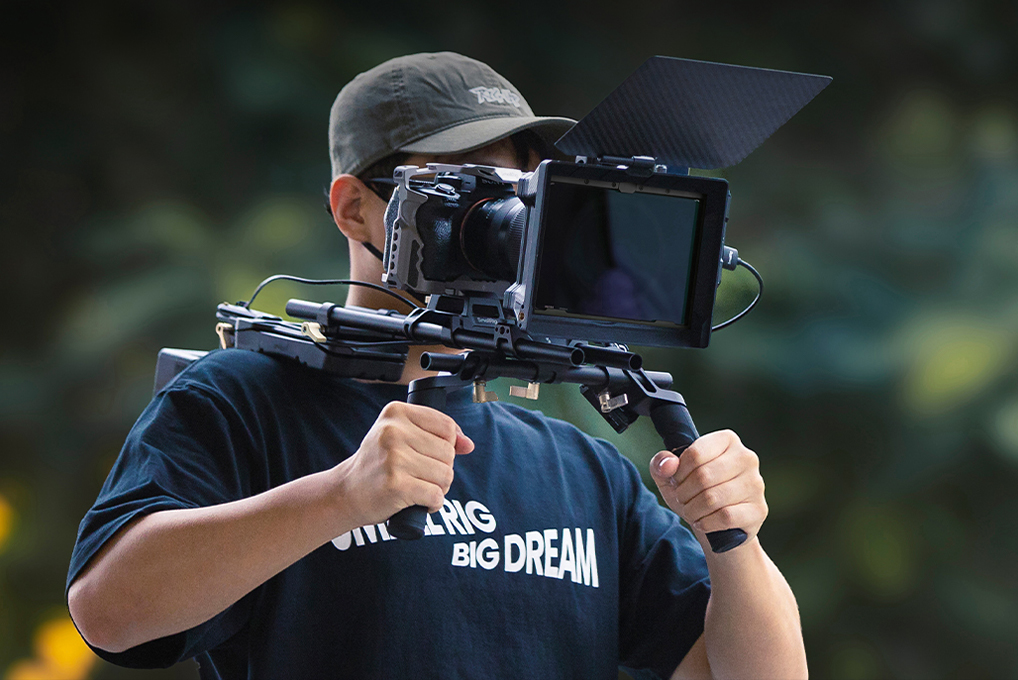
A shoulder rig is essentially a support system that sits on your shoulder, redistributing your camera's weight across your upper body instead of making your arms do all the work.
Basic Components and Design
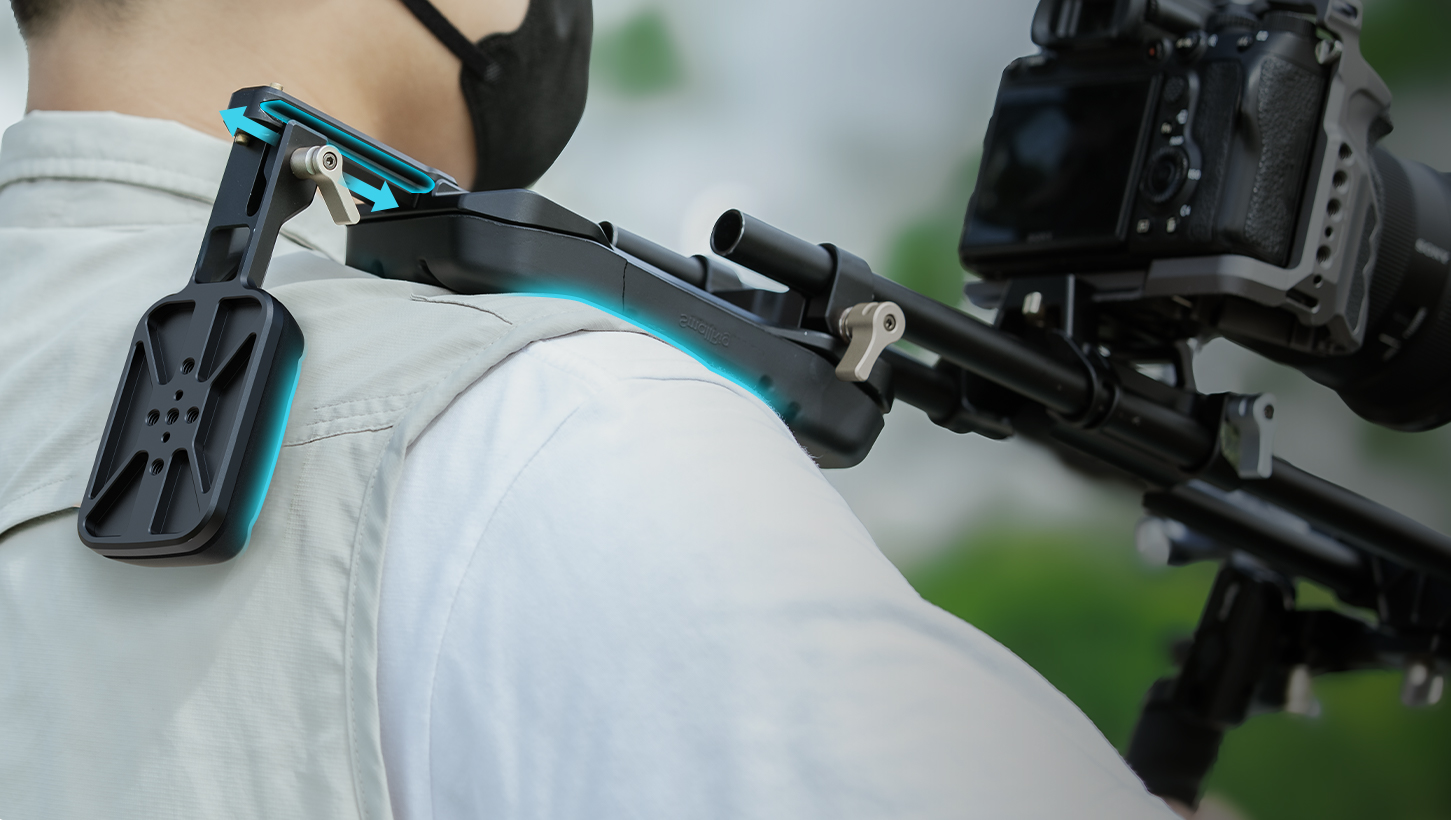
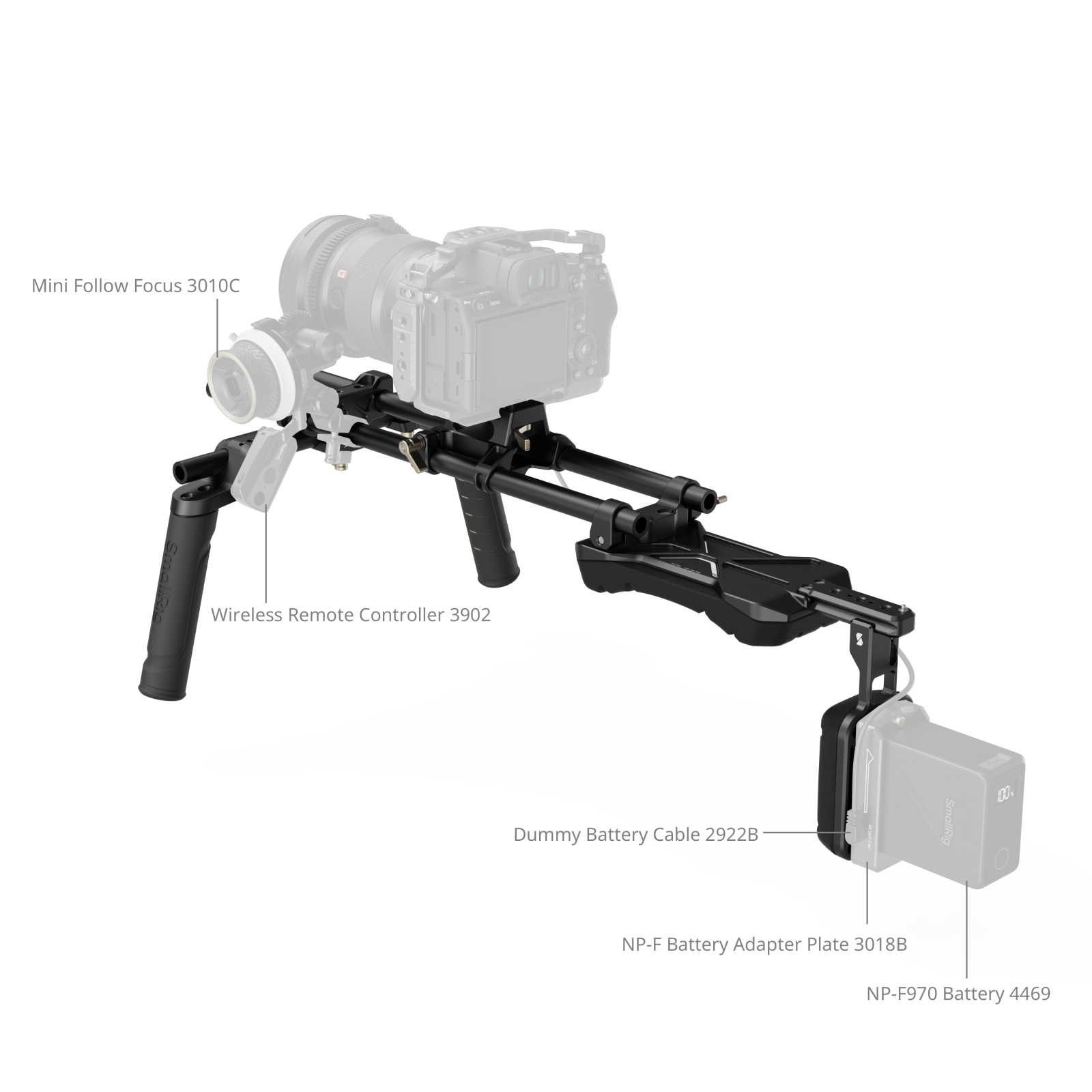
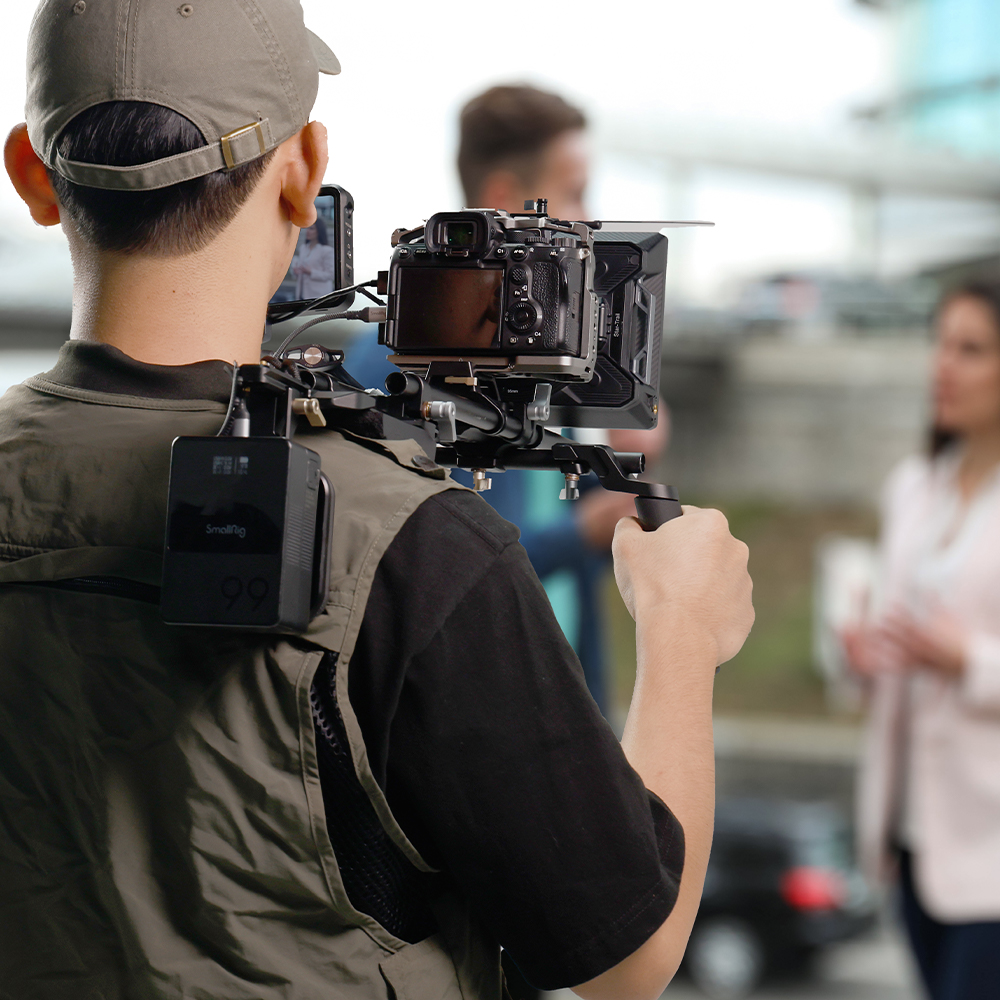
Most shoulder rigs share a similar anatomy. You've got a shoulder pad—usually foam or rubber—that cushions the contact point with your body. Two support rods run forward from this pad, creating a platform where your camera mounts. Many designs include handgrips that attach to these rods, giving you control points. Some rigs add a chest pad that creates a three-point contact system: shoulder, chest, and hands.
Weight Distribution Principles
Stability Achievement Methods
Shoulder rigs achieve stability through mass and contact points. The added weight of the rig itself—plus any accessories you mount—creates inertia that resists small movements. Those micro-shakes from your heartbeat or breathing? The rig's mass dampens them significantly. The multiple contact points create a stable platform that moves as one unit with your body. This setup naturally smooths out your footage compared to handheld shooting.
What Are the Benefits and Use Cases for a Shoulder Rig?
Shoulder rigs excel in specific shooting environments where their strengths shine through.
Long-Duration Shooting Comfort
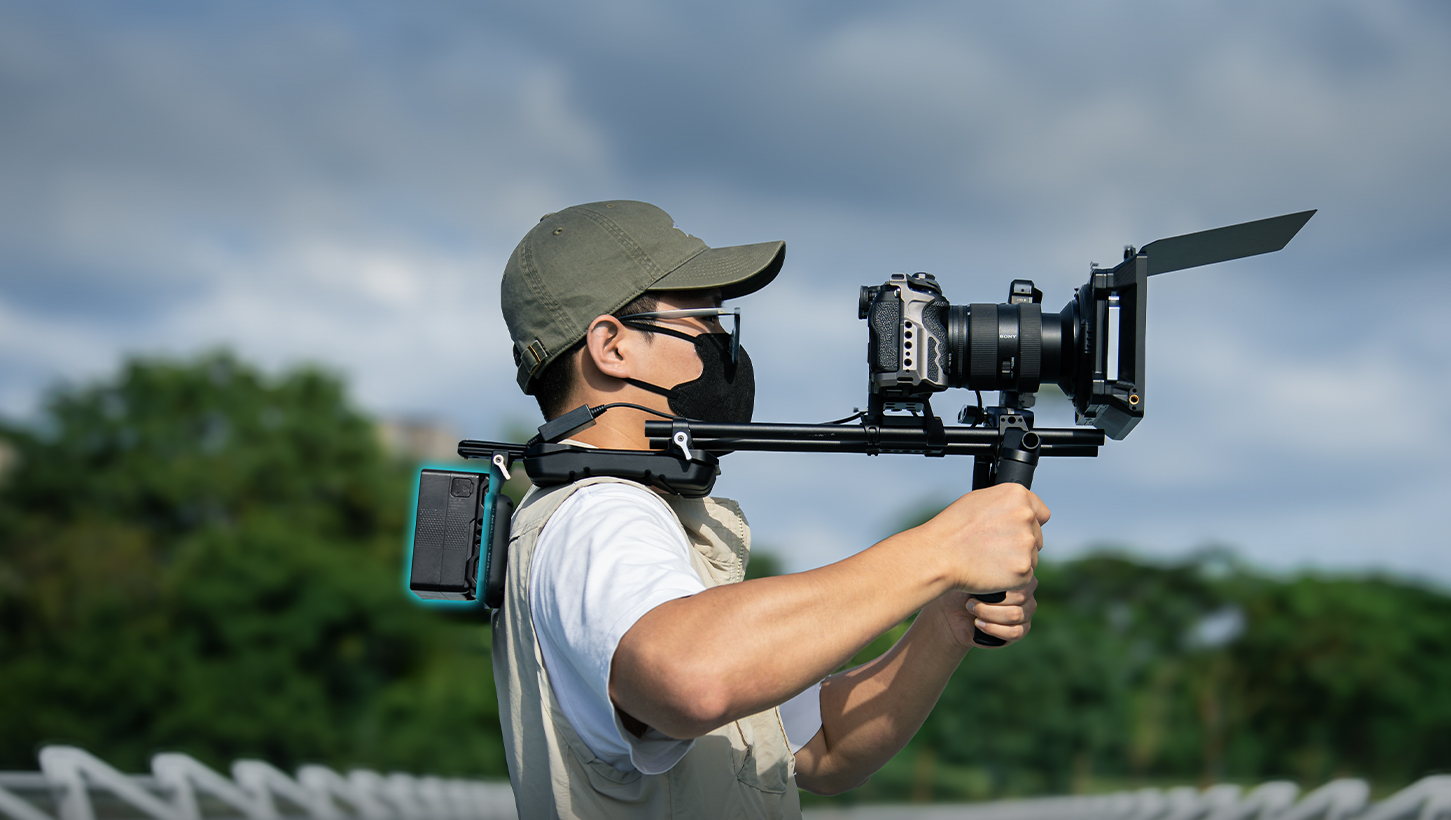
Ever tried holding a camera at eye level for more than a few minutes straight? Your arms start screaming well before you ever get close to a full thirty minutes. Shoulder rigs solve this problem completely. Documentary shooters and wedding videographers often spend almost an entire shooting day in a shoulder-mounted setup. A shoulder rig makes this physically possible. You can follow a subject through an entire event without needing breaks to rest your arms.
Accessory Expansion Capabilities
Shoulder rigs typically feature multiple mounting points. You can stack accessories like external monitors, follow focus units, microphones, and battery packs. A cinema camera with a matte box, wireless video transmitter, and shotgun mic might weigh fifteen pounds fully rigged. The shoulder rig's rod system turns your camera into a modular platform where everything has a home.
Documentary and Event Coverage
Documentary work and event shooting share a common requirement: you need to be ready for anything, often for extended periods. A shoulder rig keeps you mobile while maintaining stability. You're not locked to a tripod, but you're not dealing with handheld shakiness either. You can move through crowds at weddings, navigate tight spaces during corporate events, or track subjects during documentary shoots.
Heavy Camera Equipment Support
Modern cinema cameras with professional lenses can easily exceed ten pounds. Shoulder rigs are built to handle this weight class. The larger contact surface and structural design accommodate heavy setups that would destroy your back if held handheld. The rig's design channels the weight downward through your body's center of gravity.
What Are the Key Differences Between Shoulder Rigs and Stabilizers?
Understanding how these tools differ helps you make the right choice for your specific needs.
Stabilization Method Comparison
Shoulder rigs use passive stabilization—your body becomes the stabilizing platform, enhanced by the rig's mass and contact points. Stabilizers (gimbals) use active stabilization—motors constantly adjust to keep the camera level regardless of how you move. The shoulder rig's footage has a more organic, human feel. Gimbal footage looks mechanically smooth, almost floating.
Portability and Setup Time Differences
A shoulder rig typically takes well under a minute to deploy. Gimbals require balancing—a process that can take several minutes or more, especially with heavier camera bodies or when you change lenses frequently. Shoulder rigs fold or break down into manageable pieces, but they're still bulky. Gimbal packs down smaller and lighter. For run-and-gun shooting where you're moving between locations quickly, this difference matters.
Shooting Style and Movement Flexibility
Shoulder rigs work best for what I call "observer mode"—you're documenting what's happening in front of you. They excel at static shots, subtle pans, and walking shots that maintain a documentary feel. Gimbals unlock dynamic movement: low angles, high angles, rapid pans, walking backwards, and moving in circles around subjects. Your shooting style determines which tool fits better.
Price Range and Value Considerations
Basic shoulder rigs in international markets can start at a relatively low price for very simple, stripped-down models, with more complete kits most commonly falling into the low-to-mid hundreds of dollars, and high-end professional systems reaching into the multiple-thousand-dollar range. Entry-level gimbals for smartphones are now commonly found in roughly the 80–130 USD price bracket, while professional cinema gimbals or integrated gimbal-camera systems often run into the several-thousand-dollar range, with flagship setups approaching around five figures in US dollars.
Brands like SmallRig span this full range, from affordable basic shoulder pads to fully featured VCT-style shoulder kits with V-mount power and quick-release plates, so you can match the investment to how serious your current projects are.
For similar quality tiers, shoulder rigs generally cost less. Consider ongoing costs too: gimbals need batteries and occasional motor replacements. Shoulder rigs are mechanically simple—fewer things break.
How Do You Choose a Shoulder Rig Based on Your Shooting Needs?
Making the right choice requires an honest assessment of what you actually shoot.
Project Type and Duration Evaluation
Look at your last ten projects. What were they? Corporate interviews, wedding highlights, documentary segments? How long did each shoot day last? If most of your work involves shooting for more than two hours at a stretch, a shoulder rig makes sense. Count how many times per month you encounter scenarios where your arms get tired holding the camera.
Camera Weight and Accessory Requirements
Weigh your full camera setup—camera body, your most-used lens, and any must-have accessories. If that package already feels noticeably heavy for long handheld sessions and regularly forces you to put the camera down just to rest, you're entering shoulder rig territory. Lighter setups, closer to a compact mirrorless or hybrid camera package, work fine on gimbals or even handheld. Consider what accessories you can't shoot without. Make a list of your non-negotiable accessories, then see which support system handles them.
Budget Planning and Value Selection
Set a realistic budget that includes not just the rig but any additional components you'll need. In practice, a usable shoulder-mount system often means putting a few hundred dollars into the core rig and then adding another meaningful chunk for handle upgrades, a more comfortable shoulder pad, quick-release plates, and other small parts that make it truly work in the field. Compare the total cost against how often you'll use it. Don't buy based on specs you might need someday. Buy for what you shoot this month.
Frequently Asked Questions
Q1. Can Shoulder Rigs and Stabilizers Work Together on the Same Shoot?
Yes, many professional productions use both tools strategically. You might mount a gimbal on shoulder rig rails for extended gimbal operation, reducing arm fatigue during long takes. Some shooters keep both in their kit and switch based on the shot requirement—shoulder rig for interviews and static coverage, gimbal for dynamic b-roll and movement sequences. This approach gives you maximum flexibility but requires investment in both systems and practice switching efficiently between them.
Q2. What Physical Conditioning Helps When Using a Shoulder Rig?
Core strength and shoulder stability matter most. While shoulder rigs distribute weight effectively, you're still supporting a full build that often weighs several kilograms or more for hours. Basic exercises like planks, shoulder presses, and rowing movements build the endurance you need. Many professionals also recommend yoga or stretching routines to maintain flexibility and prevent injury. Start with shorter shooting sessions and gradually build up your stamina—your body adapts quickly to the load.
Q3. Do Professional Filmmakers Still Use Shoulder Rigs in the Gimbal Era?
Absolutely. Major documentary productions, news gathering, and many narrative projects still rely heavily on shoulder rigs. They offer reliability—no batteries to die, no motors to fail. Many cinematographers prefer the organic feel of shoulder-mounted footage for certain storytelling styles. Gimbals dominate music videos and commercial work requiring dramatic movement, but shoulder rigs remain standard equipment for observational documentary, electronic news gathering, and situations demanding long-duration stability without the mechanical look.
The Final Verdict: Which Gear Fits Your Kit?
Go with a shoulder rig when you're prioritizing comfort during extended shoots and need serious accessory mounting options. Choose a stabilizer when dynamic movement shots matter most. Start with whichever tool matches your most common shooting scenarios—you can always expand your kit later.
If you want an easy starting point, consider building around a SmallRig shoulder kit (such as their Basic Shoulder Rig or Universal VCT-style rigs) and pairing it with a compact gimbal plus SmallRig’s RS-series handgrip and mounts, then see which combo you naturally reach for on real jobs.
Keep Reading
 Easy Guide to Installing the Adjustable Clamp Matte Box & Filter Kit
 4402B Remote Control Indicator Light Not On - Troubleshooting Steps
 ND vs. CPL vs. Mist: Which Phone Camera Filter Do You Really Need?
Related Products from SmallRig