
Search smallrig.com...


Aerial Imaging | Chao Cewei × SmallRig ONSITE: Beyond Gravity: "On-Site" with Passion, Making Every Aircraft Seen
SmallRig awards 2025-10-22 03:38:47
Aerial Imaging | Chao Cewei × SmallRig ONSITE: Beyond Gravity: "On-Site" with Passion, Making Every Aircraft Seen

Chao Cewei (Chen Cheng)
Aerial Photographer
Pioneer of Air-to-Air Photography in China
Onsite Global Master Talks Series, Episode 9: Aerial Photographer Chao Cewei (Chen Cheng) in Conversation with SmallRig.
From a child captivated by airplanes to a technician repairing them, from chasing light and shadows alongside aircraft in the skies to becoming one of fewer than 200 air-to-air photographers worldwide—Chao Cewei's life has always orbited flight.
Through his lens, he not only captures the speed and passion of aircraft soaring through the clouds but also documents every milestone in the rapid evolution of large aircraft. His work is, in essence, a visual chronicle of modern flight.
"Apart from that one plane, I've photographed every type of aircraft on this planet—those in the sky, on the ground, in museums, even prototypes and experimental models," Chao said during the Onsite interview. As one of China's most renowned aerial photographers, Chao has not only captured nearly every aircraft imaginable but is also a pioneer in air-to-air photography. Over his ten years in the aviation field, he has witnessed the debut of four new commercial aircraft—the 777, 380, 350, and 919. He also documented the full lifecycle of China's first domestically developed mid-range jetliner built to international airworthiness standards with independent intellectual property rights—the C919—from its inception and maiden flight to full operation.
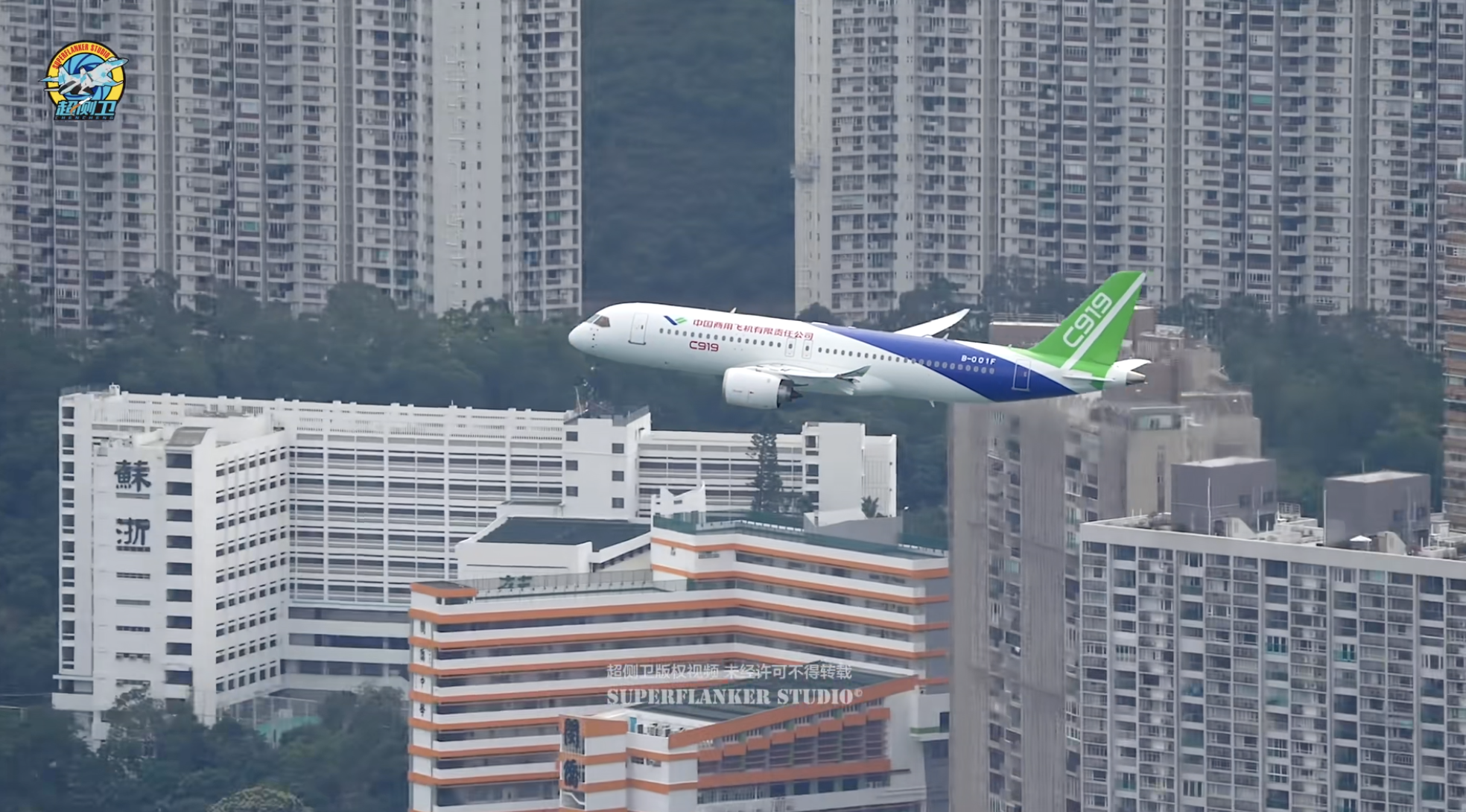
In the interview, Chao shared his creative journey as an aerial photographer. From high-risk, technically demanding air-to-air shoots to meticulously planning every detail as if repairing an aircraft, he has documented and witnessed the growth and evolution of China's aviation and aerospace industry while demonstrating the expertise and professionalism of a seasoned aerial photographer.
01
For an Aircraft to Fly Well, It Must Be Beautiful: Inspiring More People to Love Aviation
"Chao Cewei" can be both a person's name and an aircraft's name.
If you search for "Chao Cewei" on Baidu Encyclopedia, two entries appear.
The more popular entry describes Chao Cewei as an author, world traveler, and aerial photographer—real name Chen Cheng.
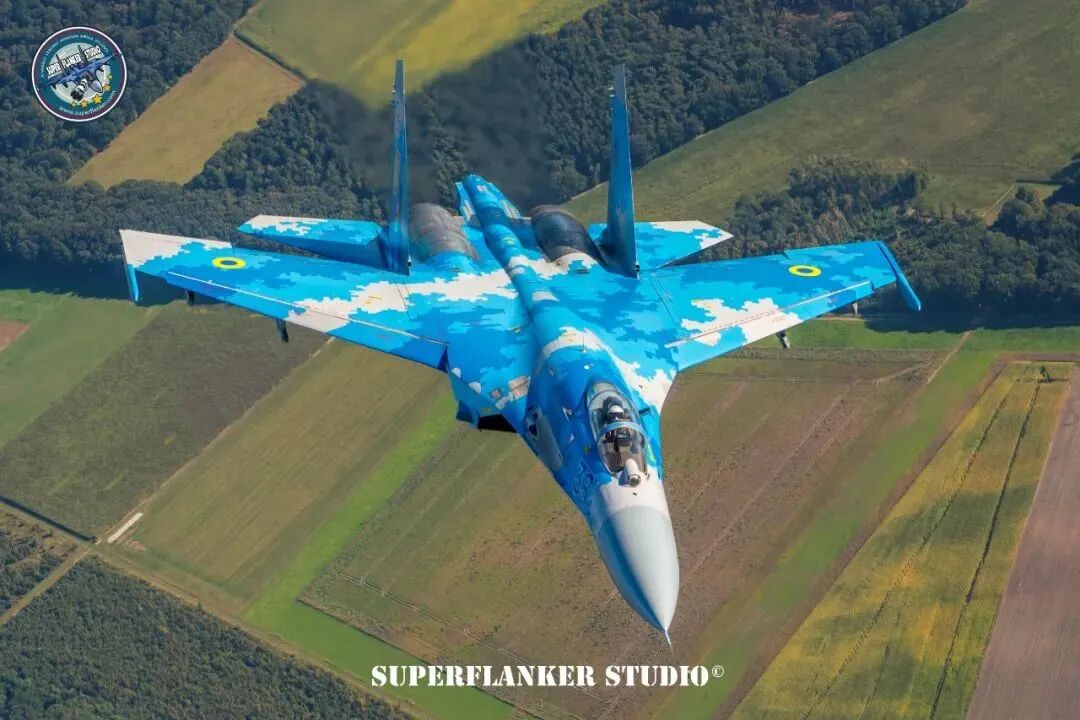
The second entry refers to the Sukhoi Su-35 fighter jet, NATO codename "Flanker-E" or “Super Flanker"—a single-seat, twin-engine, highly agile multi-role aircraft.
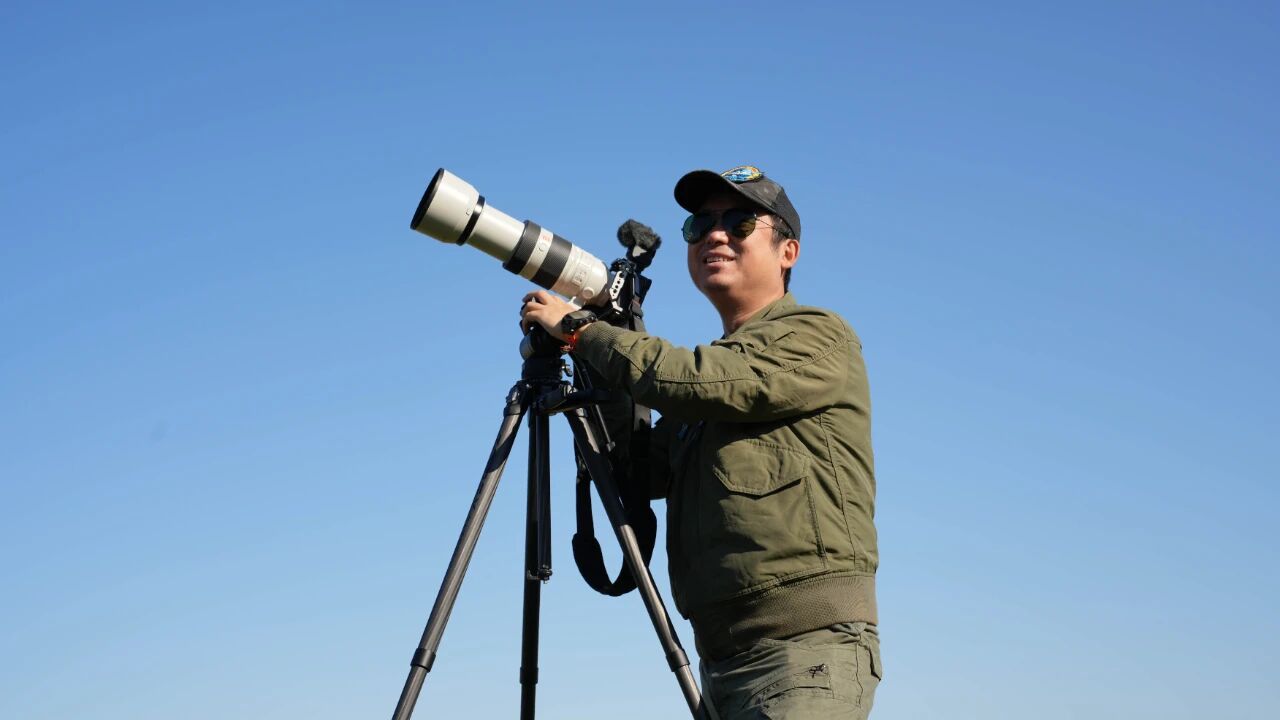
The first story is full of passion and idealism. Driven by his love for aviation and aerospace, Chen Cheng adopted the name Chao Cewei (Super Flanker) and became a professional aerial photographer. He has traveled to over 50 countries and regions, flown more than 1.5 million kilometers, captured aerial footage across six continents and hundreds of cities, flown drones for over 2,000 kilometers, and independently reviewed more than 50 airlines and airports worldwide. Through this work, Chao has become an essential figure in aviation photography.
The second story is about beauty and the allure of aviation photography. At the 2006 Zhuhai Airshow, Chen Cheng saw the Sukhoi Su-35 perform for the first time. Its agility was extraordinary, and its appearance was stunning—like a swan in flight. On a BBS forum, he borrowed the aircraft's name to express his unique aesthetic for airplanes: "Those who don't recognize this name are casual observers; those who do are true aviation devotees." Thus, he adopted the name Chao Cewei (Super Flanker) as his own.
To him, the Sukhoi Su-35 is the most beautiful plane he has seen. He fully agrees with the Dassault chief designer's statement: "For an aircraft to fly well, it must be beautiful." The Sukhoi Su-35's beauty comes from its exceptional maneuverability, allowing it to perform aerial feats that push the limits of human capability.
This principle— for an aircraft to fly well, it must be beautiful—also encapsulates Chao's career. As an aerial photographer, he relentlessly showcases aircraft in all their beauty through his work. Through his lens, he hopes to inspire others to appreciate what makes a plane "fly well," to fall in love with aviation, and perhaps even join the industry.
When he speaks of "aircraft in all their beauty," it is no hyperbole. Apart from Airbus' newest Beluga, he has photographed virtually every aircraft on the planet—flying, grounded, or displayed in museums, including prototypes and experimental models.
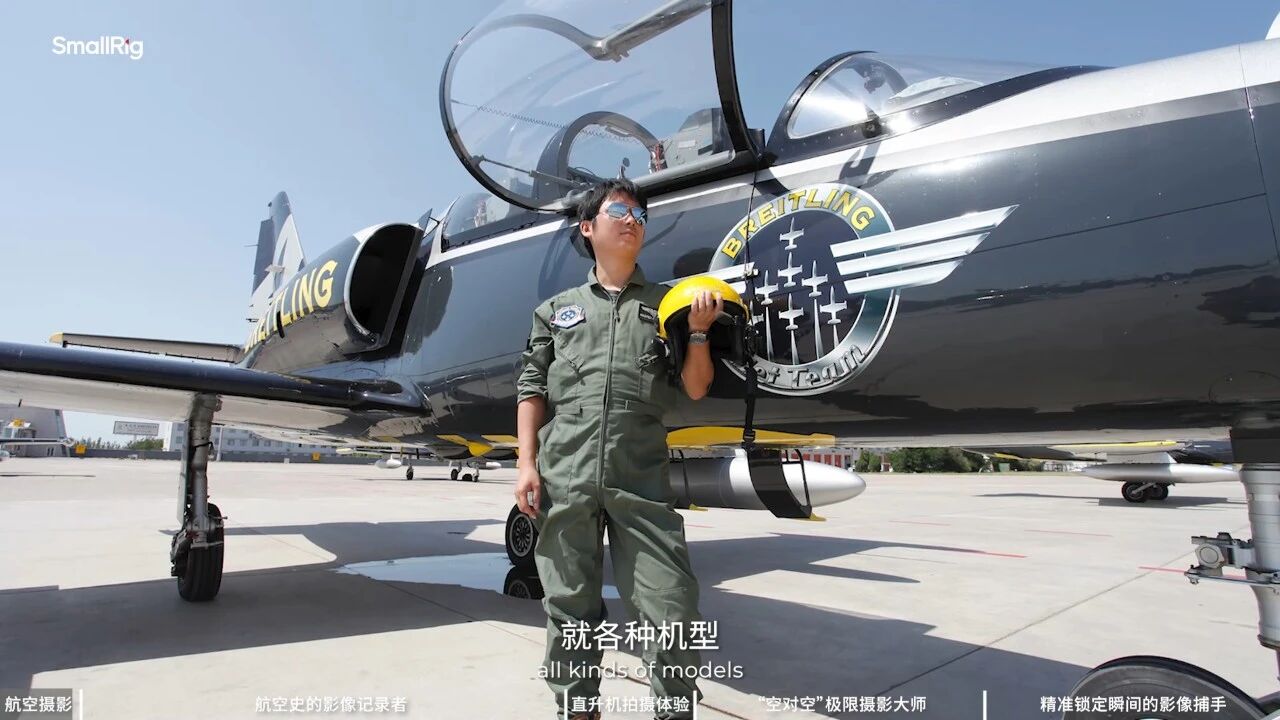
Beyond his professional identity as an aerial photographer, Chao emphasizes another aspect of himself: a passionate aviation and aerospace enthusiast. His achievements stem from genuine love. His appreciation and trust for aircraft form a cornerstone of his career, and it is also what makes him unique as a visual storyteller. As a photographer, he embodies many traits of a pilot: calm under pressure, possessing a broad perspective, and able to anticipate future developments with precision.
02
Air-to-Air Photography: A Dangerous Yet Alluring Aerial Challenge
For Chao Cewei, aerospace photography transcends profession — it's a way to share the beauty of flight with the world. His mission is to make "beautiful aircraft" seen and loved by more people. Yet it's also a kind of extreme sport. Every shoot presents fresh high-risk, high-difficulty challenges that appear impossible—until the moment of success delivers an unmatched adrenaline rush and pride.
That thrill is inseparable from danger — something one can only truly understand after taking a helicopter flight and feeling the sky beneath one's feet.
During the SmallRig On-Site filming, the crew joined Chao on a helicopter flight over Shanghai's Lujiazui. Gazing down at the city, he remarked how this rare perspective gave him a sense of freedom — as if he had momentarily escaped Earth's gravity.
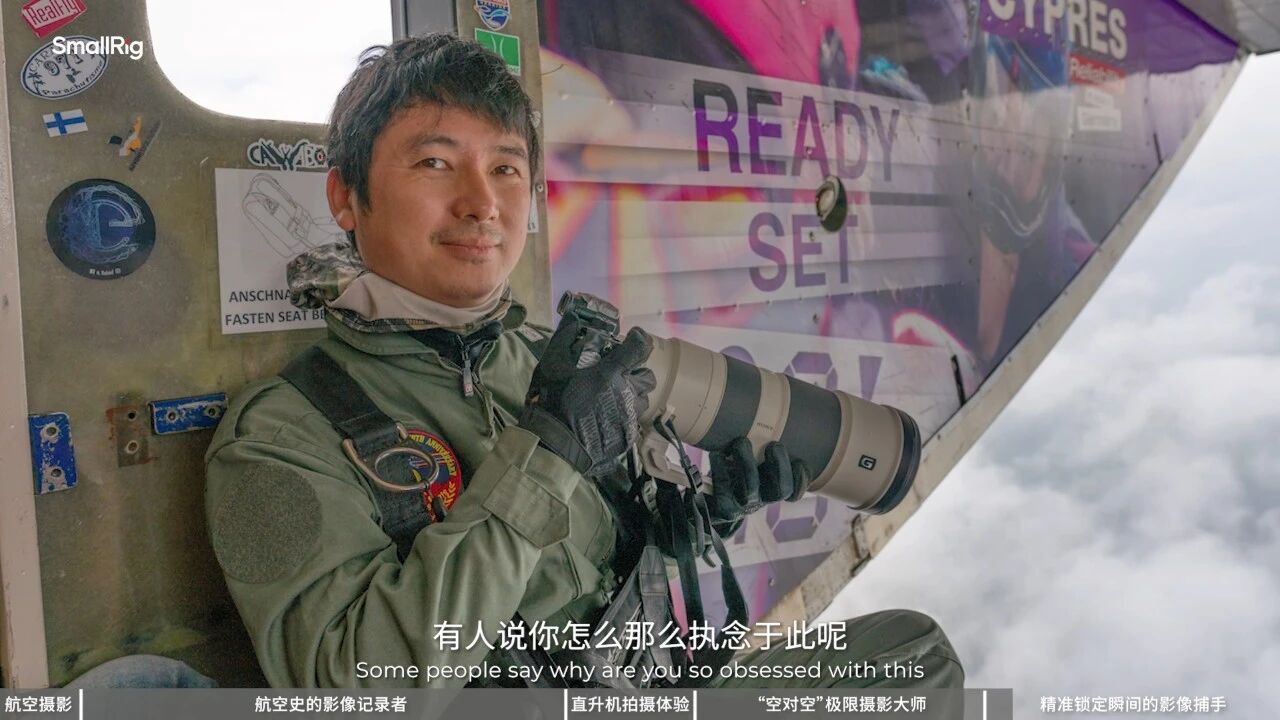
In aviation photography, air-to-air shoots are a perilous yet hypnotic ballet between photographer and subject. The shooter must adapt entirely to a helicopter-based moving platform while tracking another aircraft in motion. When an aircraft streaks past, you might only have two or three seconds to seize the shot. Hesitation isn’t an option; triumph or failure hinges on split-second decisions. That's why icy precision is the ultimate discipline in this field. Even as he savors the weightless thrill of air-to-air work—defying gravity with his torso suspended outside the aircraft—Chao must remain laser-focused. After all, perched at the open door’s edge, the abyss of the sky yawns below.
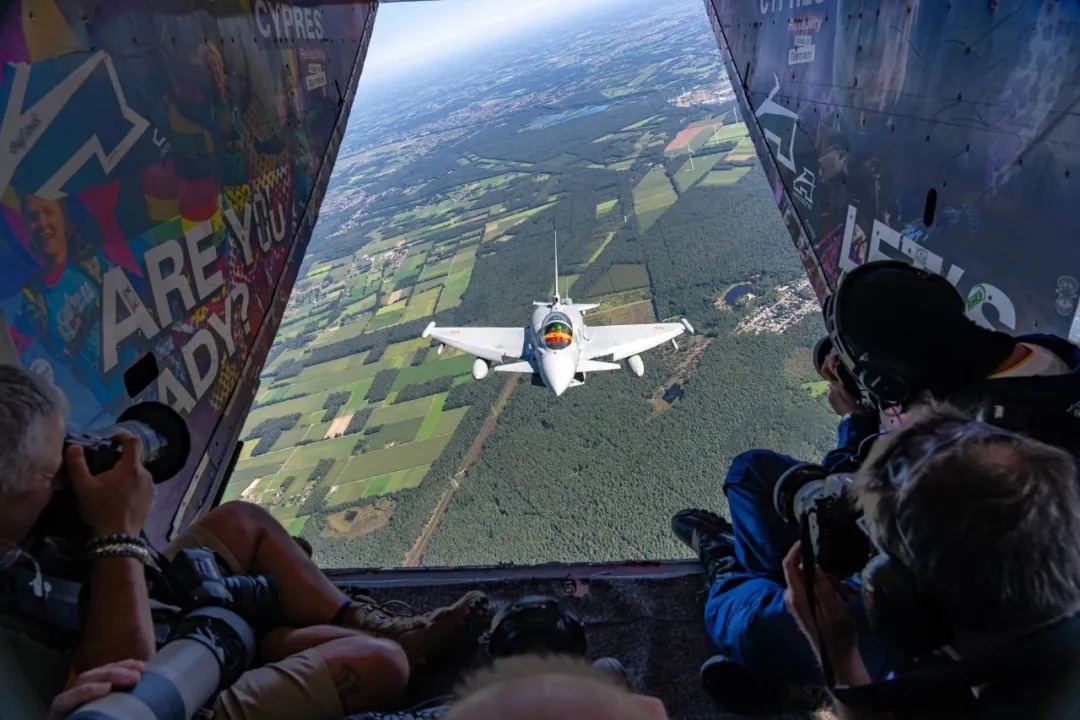
Air-to-air photography also demands a rare combination of skill, composure—and money. To even qualify, one must pay over ¥100,000 for flight training, not counting the cost of high-grade gear sturdy enough to survive extreme conditions. As Chao puts it, "If you're not rich, you'd better be sure you're passionate enough to pay the price." Currently, fewer than 200 people worldwide participate in air-to-air photography. When he first learned about it in 2016, he invested nearly all his savings to become one of them.
That first experience pushed him to his physical and mental limits. Midair, he was suspended for the entire shoot—fully exposed to extreme cold and punishing winds, making windproof and thermal gear essential. Safety left no room for error: nothing could come loose. Changing batteries or memory cards midflight was forbidden, even phones were banned. Every piece of gear had to be strapped securely to his body. This means air-to-air photography leaves virtually no room for mistakes.
At the same time, the photographer must stay calm even at ten thousand meters above the ground, making quick decisions, maintaining full control of the camera, and capturing the perfect shot within those few precious seconds available. Physical endurance and mental resilience were equally critical.
Yet, even beyond skill and strength, what matters most is judgment. Chao calls it "the split-second instinct." Years of dedication to aviation gave him that instinct — the ability to know exactly what shot he wants and seize it in an instant.
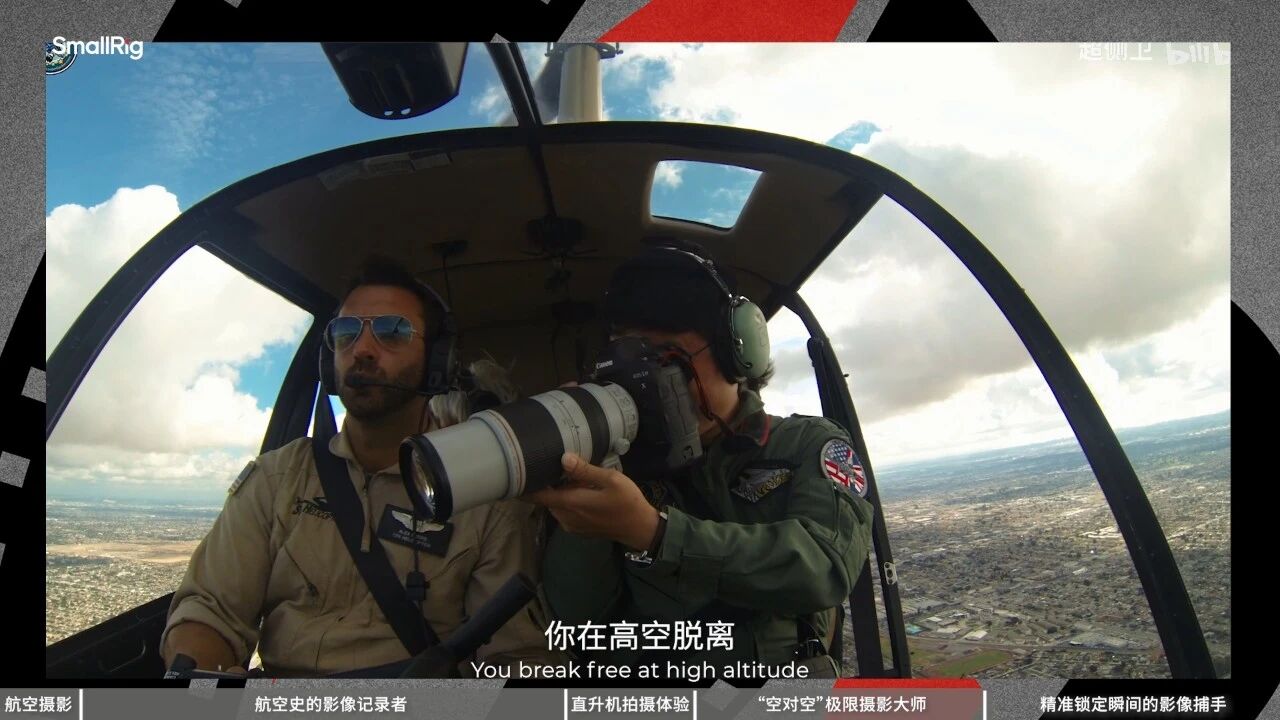
That precision comes partly from his passion for the aerial industry and his background as an aircraft engineer. Before becoming a full-time photographer, Chao spent years repairing planes — long shifts, sleepless nights, and relentless attention to detail. He knew every screw and system inside out, and that same rigor now defines his approach to photography.
But it's also a matter of temperament.
Chao's calm confidence and methodical nature make him perfectly suited for this field. In photography, aerial photography is undoubtedly one of the narrowest gates. Passion and curiosity may have drawn him to aviation photography— but conviction anchored him there. The kind that survives decades, undimmed by hardship.
During the Onsite interview, as Chao recalled the many high-risk challenges throughout his photography career, his calm confidence and unwavering determination became unmistakably clear. When facing professional obstacles, he demonstrated an extraordinary level of focus and execution that sets him apart. For him, once a goal is set, success is only a matter of careful planning and precise execution. Just as he once followed the maintenance manual to ensure every aircraft was safe to fly, he now creates his own "photography manual" before each mission—planning every shot and contingency to make sure no challenge remains unconquered.
From a child fascinated by aircraft magazines, to a mechanic, to one of the few air-to-air photographers in the world—Chao's journey has always been defined by precision, passion, and the unshakable belief that no sky is too high to reach.
03
Never Give Up Until the Last Minute
To outsiders, Chao Cewei's persistence can sometimes seem almost obsessive, but when it comes to photography, he never minds going to extremes. During a Sydney air-to-air shoot, he hit an unexpected wall. A new aircraft was arriving for its debut over the city, and he aimed to capture it soaring past the Sydney Opera House.
But an hour before landing, air traffic control grounded his helicopter. Two fellow photographers quit on the spot—no clearance meant no shot, game over.
Chao refused. Even with one minute left, he was determined to salvage the chance. Persuading the airline and air traffic control to reopen the flight path, he said, was like convincing highway authorities to reverse traffic just for you.
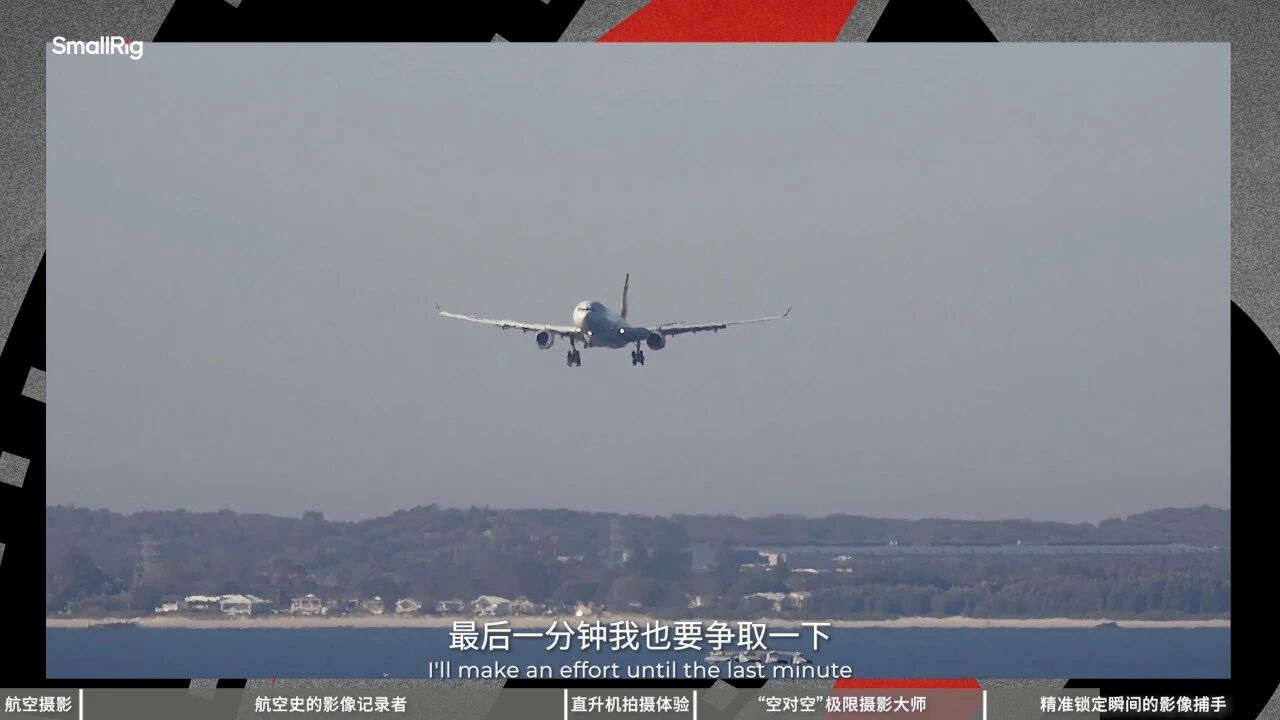
Though he missed the Opera House shot, he still seized the landing—hovering his helicopter over the airport at the last possible moment.
Throughout the entire process, photography itself often becomes the least important part. As long as the photographer coordinates every element, keeps everything running on schedule, and presses the shutter at the right time and place, the desired shot will naturally follow.
And often, those shots don't necessarily create anything "new" in history—maybe someone else has already captured a similar frame years ago. In that sense, much of Chao's effort isn't about breaking new ground, but about making sure that he is the one behind that moment—that the picture was taken by him. Even if it's been done before, the true meaning of creation lies in the act of experiencing it yourself.
He compares this creative journey to mountain climbing. "It's like conquering a mountain—reaching a goal you've long wanted to achieve. The image itself is just a single moment in time. What really matters is the process, the struggle, the experience along the way." A mountain climbed by others remains unexplored until you ascend it yourself.
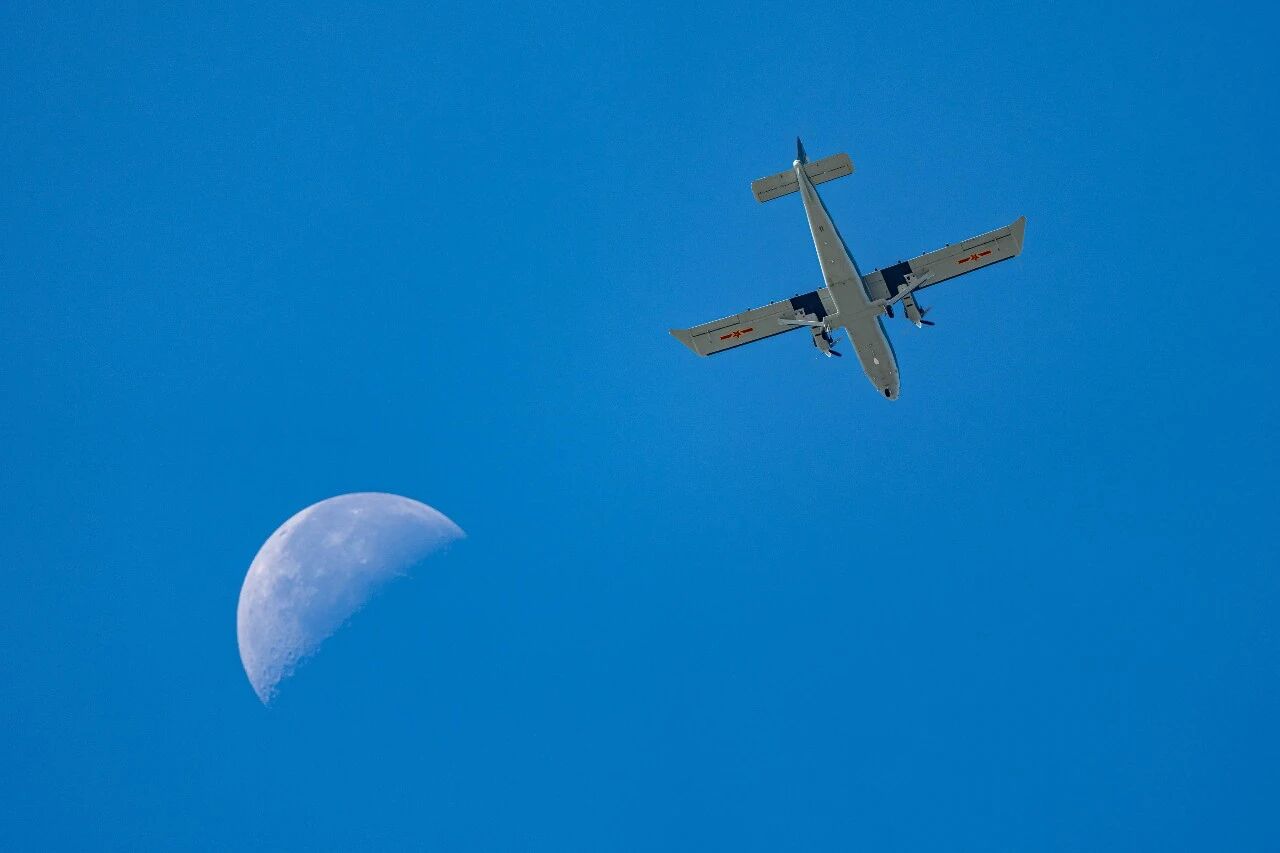
In aerial photography, reaching the summit just means you're "on-site"—the real work hasn't begun. For Chao, "on-site" means more: The rush of nailing a shot is woven with years of passion, discipline, and grit. For an aerial photographer, being there isn't everything—it's how you got there that matters. Whether you're on the front line shooting or not, you've got to make sure your focus on the industry and your grip on the craft are always being "on-site" with you.
Luckily, Chao has the persistence and sharp mind every aerial photographer needs. The path he's on is often one he has to walk alone. Rewards and recognition are uncertain. What's certain is the passion in your heart. Chasing what you love, even if it means going your own way, is, in a way, the purest kind of romance.
Having pushed the limits of aerial photography countless times, capturing nearly every type of aircraft in the world and witnessing the key moments of China's aviation growth, Chao has excelled in his career. He's not just a photographer. He's a storyteller, a guide, and an inspiration, getting more and more people to fall in love with aviation alongside him.
Whether he's seen as an aircraft mechanic, a photographer, an aviation influencer, or an industry thought leader, those are just labels the outside world uses to understand Chao. For him, no matter how his role changes, his passion remains constant, and his love for flying never fades. That boy who once yearned to touch a plane is still lives in him. He gazes skyward with that same wonder, hoping more dreamers can chase aviation without the detours he endured.
At the end of the interview, the host asked one last question: was there any aircraft Chao hadn't photographed yet?
There's one, the Airbus Beluga. It's brand new, and there's only one.
But that's about to change. By the end of October, he'll have it in his shots, and the problem is about to be gone.
For Chao, the most thrilling moments are always when "the problem is about to be gone." Only by facing challenges with absolute courage and calm, and executing your shooting plan with pilot-like precision, can you make sure you're always on-site at the most critical moments in aerial photography.
Being on-site already counts for half the success of a perfect shot.
Keep Reading
 Father’s Footsteps | Bronze Award Winner
 Final Hope|Rebuilding What Was Lost
 Dear Julia|From Heartache to Self-Discovery