
Search smallrig.com...


Beyond the World's End: The Beauty of the Skies
SmallRig awards 2025-10-22 03:55:47
Beyond the World's End: The Beauty of the Skies
Master Class - Chao Cewei
Aerospace & Aerial Photographer
Global Traveler
As China's leading aviation photographer, Chao Cewei has never lost his passion for aerospace. Whether it's the C929, J-20, Tornado, V20, JF-17, KA-8, KF-21, or TB-001, he can name aircraft from around the world with ease. At his master class, he shared his experience and shooting techniques with audiences, especially the young photographers who love capturing planes. Even while attending this event in Shenzhen, he still squeezed in a morning run—straight to the airport to shoot aircraft pushbacks.
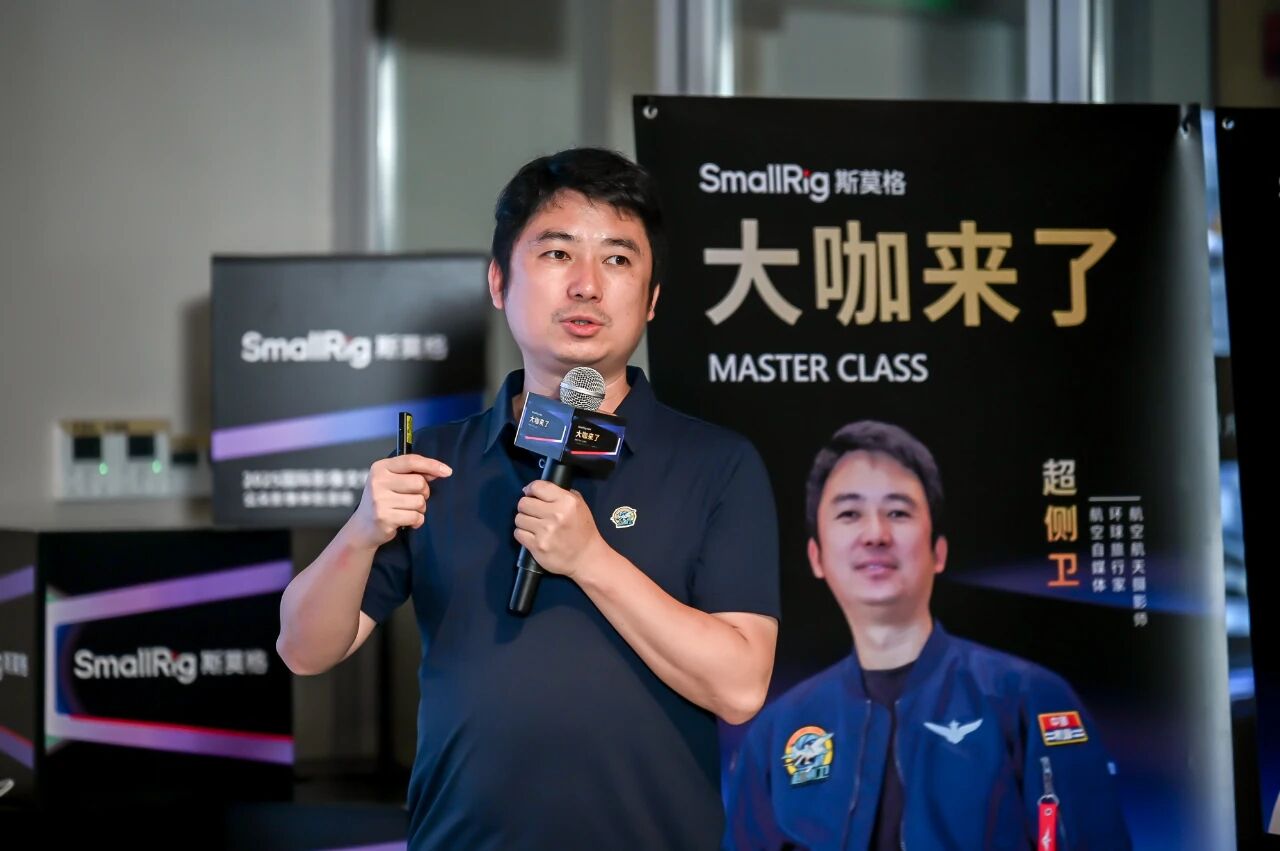
"I'm different from most photographers," he said. "I didn't start as a photographer. I was an aerospace engineer first. I love airplanes, so I started shooting them." That love led him to trade engineering for aviation photography, documenting the rise of China's aerospace industry through his lens. "As our aviation industry evolves, so does our imagery. There is so much worth recording. That's what gives real meaning to photographing China's aerospace journey."
he said. To Chao, photographing planes isn't a cold technical craft nor a romantic hobby reserved for science geeks. What moves him most is the human side—the pilots. He once recalled how a pilot, after they'd become friends, raised the airbrake midflight to salute him during a shoot. Conversations sparked by aerial photography—how to fly, how to shoot, and how to master the tech— are shared with pilots and aerospace enthusiasts. These exchanges are the kind of unique romance only someone like Chao Cewei, an aviation photographer, gets to experience.
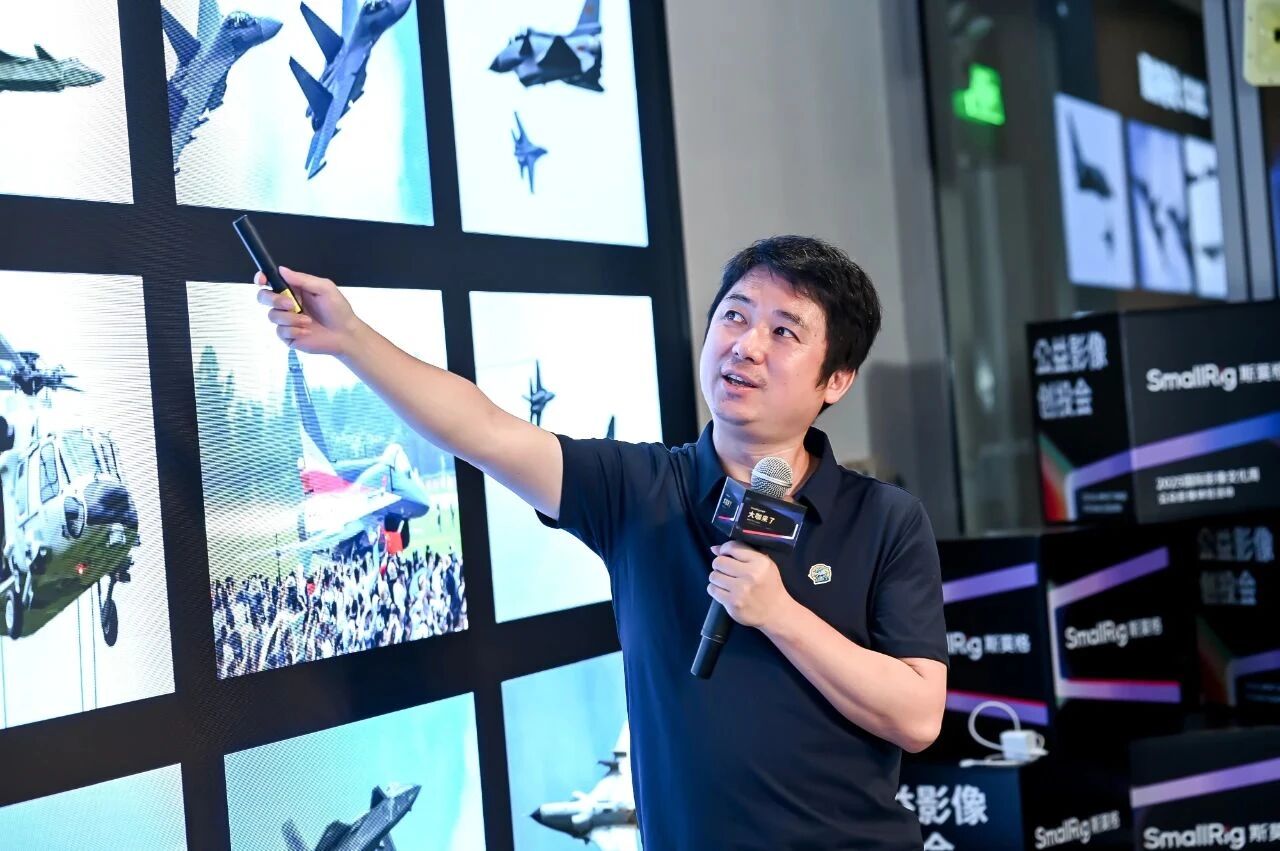
After all these years of aerospace photography, one thing that still amazes him is China's rapid progress— from the aircraft themselves to the gear used to capture them—visible frame by frame in his work. He believes his years of documenting this growth carry weight and meaning. At the event, he called on more people to pay attention to the development of China's aviation culture.
When the Zhuhai Airshow was first held, Chao only managed to capture 17 usable photos. At the most recent one, he shot over 100,000 and selected more than 3,700 finished images. Behind that leap is the progress in both gear and skill. But more importantly, it reflects the breathtaking pace of China's aviation growth. Being part of that journey fills him with pride. It's the kind of joy only aerospace photographers truly understand.
Today, tech breakthroughs are opening endless possibilities in image creation. On one hand, the barriers to creative expression—both in form and content—are getting lower than ever. AI tools and smartphone photography are empowering more creators to break limits and experiment freely. On the other, questions around tech ethics are growing louder. As Dickens said, it may be the worst of times, but also the best of times. Technology is opening up endless new creative possibilities in an instant, but knowing how to make the most of them, and when to use the right tools in the right context, still comes down to one thing: your true creative instinct.
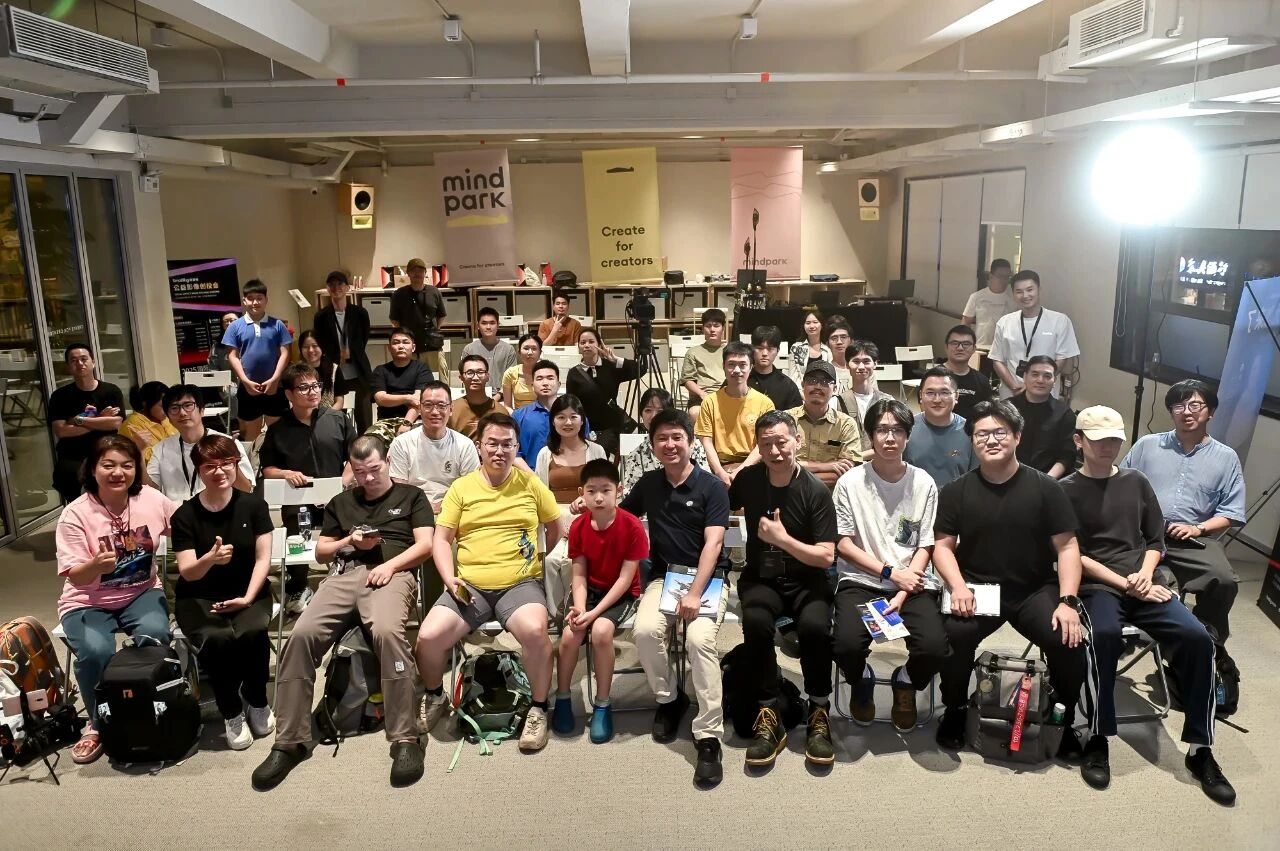
In this fast-changing tech world, it's no longer about just keeping up. It's about standing out. This is a time that really tests your skills and pushes you to think outside the box. The future belongs to creators who can turn technology into a new visual language, and understand how to make their work resonate in today's fast-changing media landscape. That, Chao says, is the real challenge—and opportunity—for the next generation of storytellers.
Keep Reading
 Father’s Footsteps | Bronze Award Winner
 Final Hope|Rebuilding What Was Lost
 Dear Julia|From Heartache to Self-Discovery