
Search smallrig.com...


How to Choose the Best Monopod for Sports Photography
SmallRig 2026-07-07 23:40:11
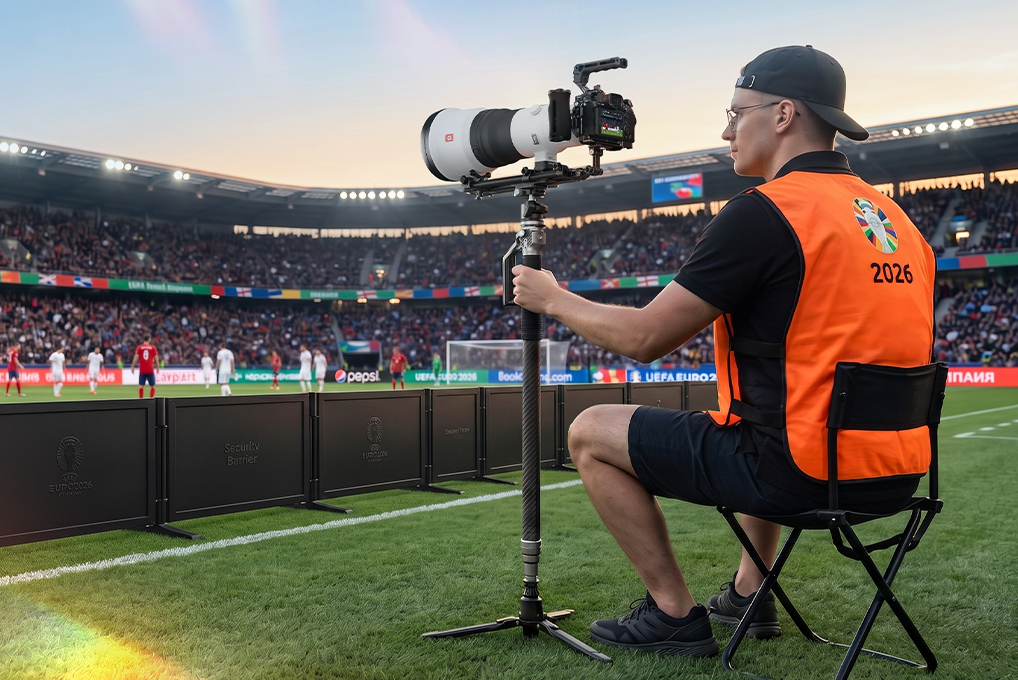
When you think of standard sports photography gear, high-speed camera bodies and massive telephoto lenses usually dominate the conversation. Rarely do people rave about the support system holding it all together. But talk to any professional photographer tracking runners at the Olympics or shooting from the sidelines of a premier league match, and they’ll tell you the exact same thing: a reliable monopod is the most critical piece of gear in their kit.
While tripods offer maximum stability, major sporting events and tight stadium seating rarely permit them due to space constraints. That is where the monopod steps in—delivering the perfect blend of rock-solid stability, rapid mobility, and effortless support for heavy setups.
In this guide, we’ll break down how to master sports photography using a monopod and recommend the best SmallRig setups to elevate your game.
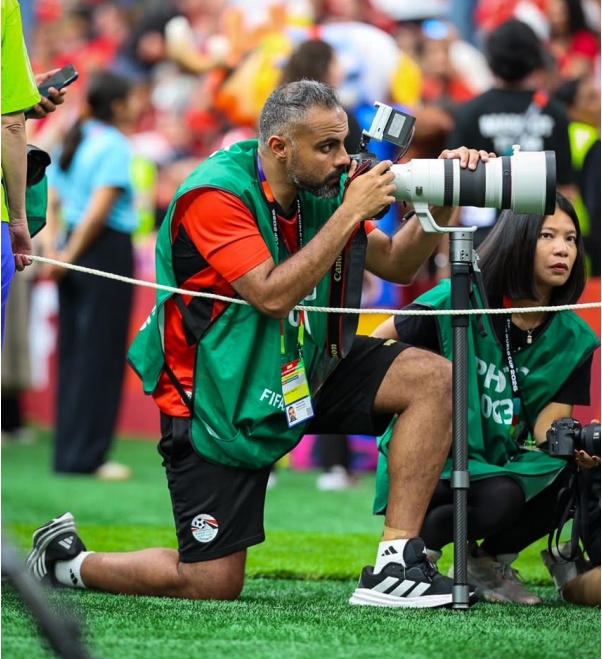
Photo By @Gemiphotowork
Why a Monopod is Essential for Sports Photography
1. Mastering Motion Blur and Panning Shots
Capturing sports isn't just about freezing action at 1/2000s; it’s also about conveying the raw speed and power of the athletes. Achieving a perfect panning shot—where the athlete remains tack-sharp while the background dissolves into a beautiful motion blur—requires a slow shutter speed (typically between 1/30s and 1/60s).
Trying to handhold a heavy 400mm lens at 1/40s is a recipe for a ruined, completely blurry photo. A high-quality carbon fiber monopod acts as a rigid pivot axis. It eliminates vertical camera shake while allowing you to smoothly track the horizontal movement of a runner, cyclist, or car, ensuring your key focal points remain crisp.
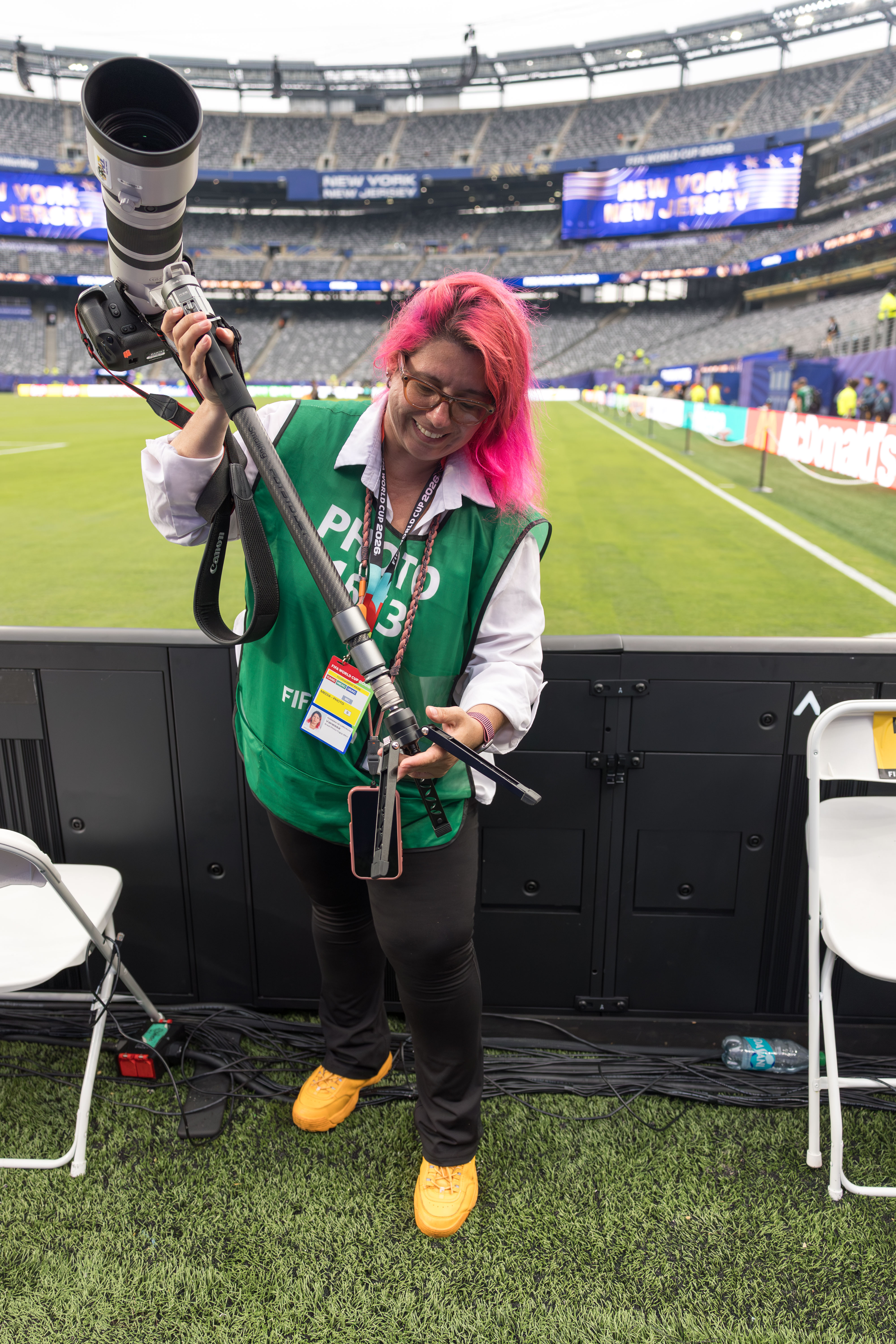
Photo By @photovanessa
2. Overcoming Venue Restrictions & Crowds
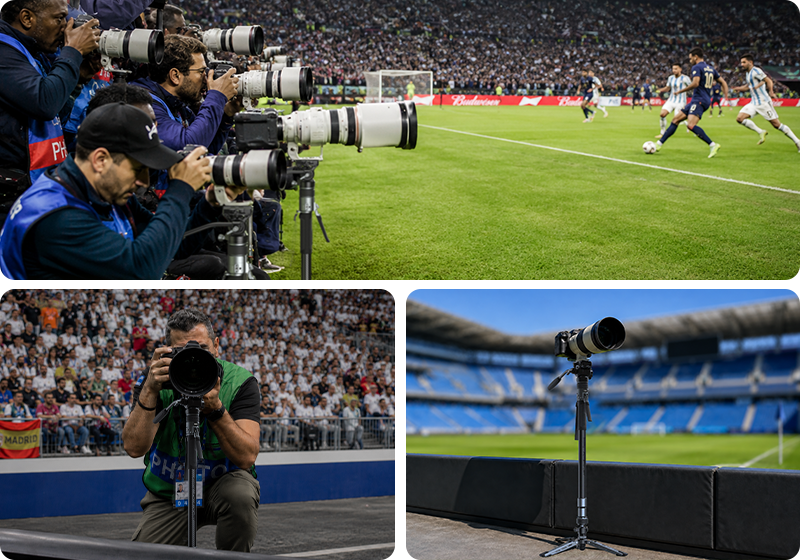
Go to any major sports arena or track field, and you'll find strict rules against tripods. They take up too much floor space and create trip hazards in crowded media zones. A monopod has a virtually zero-surface footprint. It allows you to squeeze into tight corners, change angles instantly, and move along the sidelines without obstructing others.
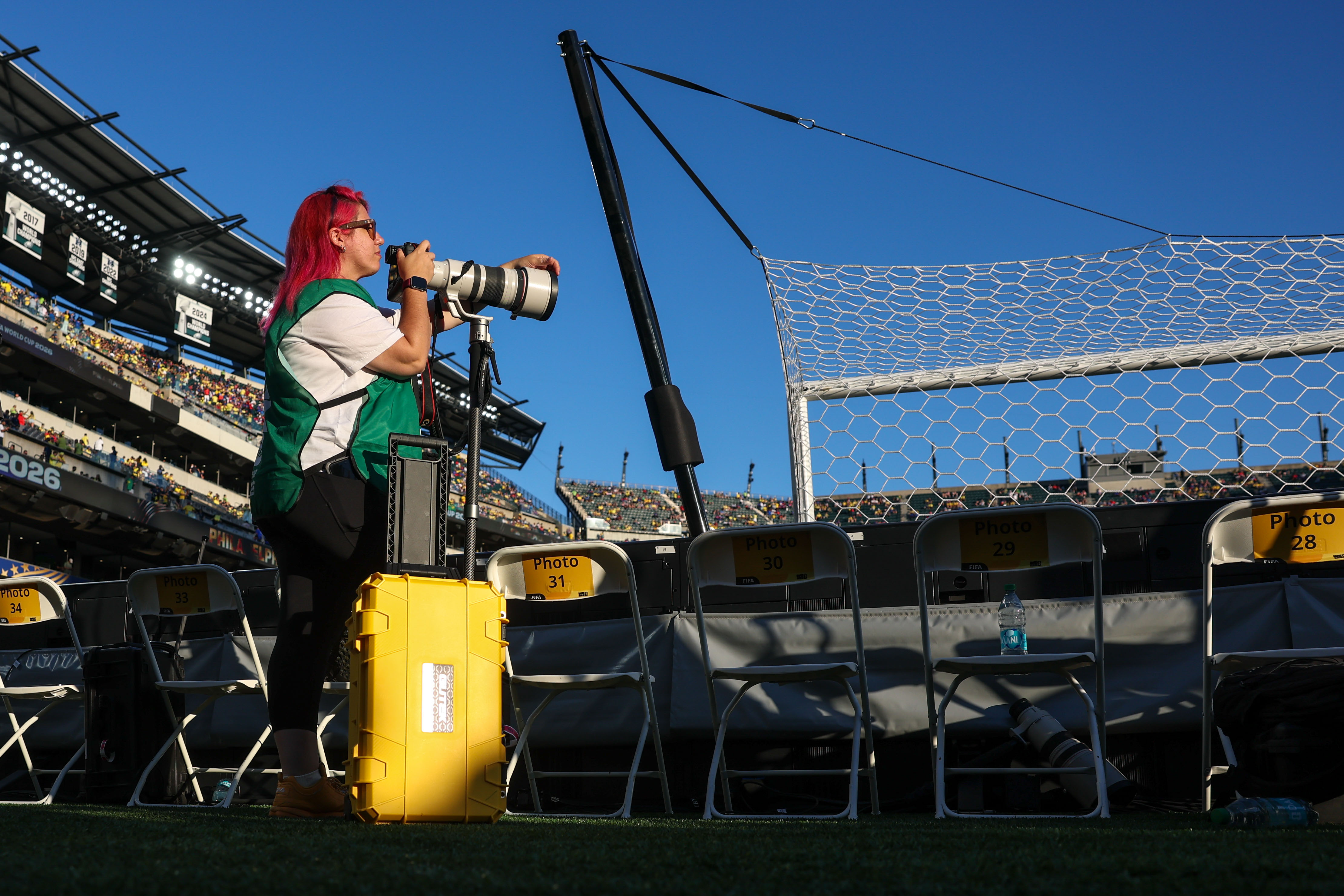
Photo By @photovanessa
3. Speed and Deployment Flexibility
In sports, split seconds dictate whether you capture the game-winning goal or a face full of regret. You cannot afford to spend minutes adjusting three separate tripod legs. A monopod can be extended or collapsed in seconds, allowing you to react to the flow of the game instantly.
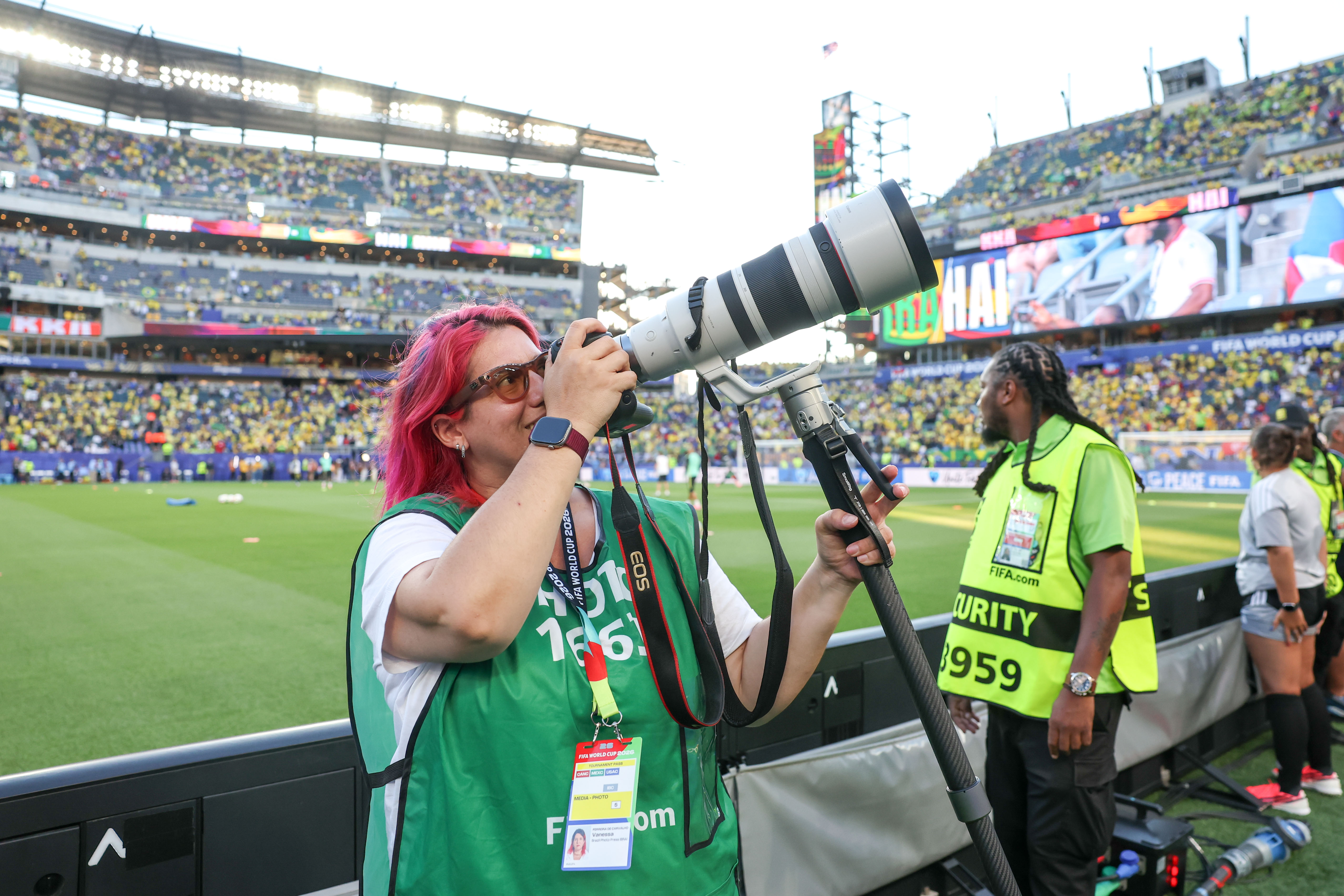
Photo By @photovanessa
Top SmallRig Monopod Recommendations for Sports Photographers
Depending on your shooting style, lens weight, and how fast you need to move, SmallRig has engineered three distinct monopod solutions tailored for creators who refuse to compromise.
1. The Pure Photography Workhorse: SmallRig Carbon Fiber Photography Monopod 5564
If your primary goal is to support heavy DSLR or mirrorless setups with long telephoto lenses, the SmallRig 5564 is your go-to companion. Crafted from premium carbon fiber, it offers incredible rigidity and vibrations-dampening capabilities while remaining exceptionally lightweight. It’s built to endure long hours on the sidelines, saving your arms and back from fatigue so you can focus entirely on the viewfinder.
2. The Smooth-Tracking Hybrid: SmallRig Carbon Fiber Monopod with Fluid Head 5565
For modern sports creators who switch between high-speed burst photography and cinematic video clips, the SmallRig 5565 changes the game. This setup comes equipped with a professional fluid head, offering ultra-smooth panning and tilting resistance. Whether you are following a fast break on the basketball court or capturing a smooth pan of a sprinter crossing the finish line, this hybrid monopod ensures seamless transitions without jerky movements.
3. The Lightning-Fast Revolution: SmallRig x Potato Jet Tribex Pro x Clutch Carbon Fiber Monopod 6284
When seconds mean the difference between a portfolio-defining shot and a missed opportunity, you need instant deployment. Co-designed with Potato Jet, the SmallRig 6284 Tribex Pro features the revolutionary Clutch mechanism. Instead of messing with traditional twist locks or flip locks, you simply squeeze the clutch to adjust the height instantly and release to lock it rock-solid. It is hands-down the fastest, most intuitive monopod on the market, perfect for dynamic, high-pressure sports environments.
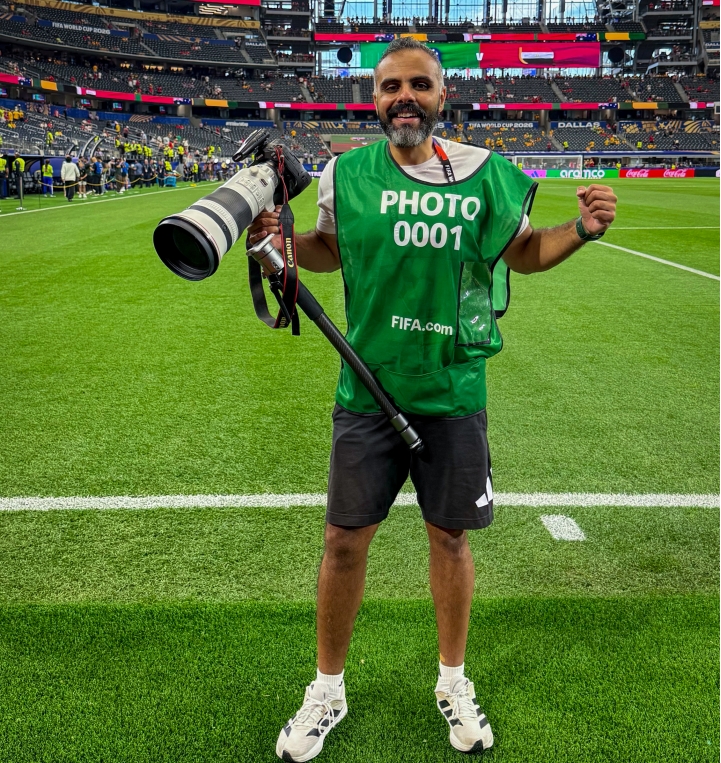
Photo By @Gemiphotowork
Pro Tips for Shooting Sports with a Monopod
-
The Human Tripod Technique: To maximize stability during slow-shutter panning, place the foot of your monopod slightly forward, and spread your own feet apart to form a stable tripod shape with your body.
-
Utilize the Base Foot: When shooting on turf or grass, utilize the spiked foot options or wider feet bases to firmly anchor your monopod into the ground. This prevents micro-slippage during fast tracking.
-
Keep It Loose: When tracking unpredictable action (like football or rugby), slightly loosen your camera head's tilt axis. Let the monopod bear the weight of the gear while your hands guide the framing freely.
Conclusion
A monopod isn't just an accessory; it is an extension of your camera that grants you mobility, speed, and sharpness. Ready to upgrade your sideline gear? Explore SmallRig’s Carbon Fiber Monopod Series today and find the perfect match for your next big game.
Keep Reading
 NAB Show 2026 Recap: Hands-On with SmallRig's New Osmo Pocket 4 Ecosystem, RF 20C & Carbon Fiber Monopod
 SmallRig Smartphone Wireless Monitor Kit for Phone - Bring Your Creative Vision to Life
 SmallRig 25L Outdoor Camera Backpack: Modular Pouches, All-Day Comfort, EDC-Ready
Related Products from SmallRig