
Search smallrig.com...


How to Charge Your Camera Battery Without a Charger?
SmallRig 2026-01-18 23:58:44
Contents
Running out of battery power during a shoot is frustrating, especially when your charger isn't around. The good news? You've got several solid options. From USB charging to dummy batteries and universal chargers, these methods can keep your camera running when your original charger isn't available.
Can You Charge Your Camera Battery via USB?
USB charging has become increasingly common in modern cameras, making it one of the easiest ways to power up your camera battery without a dedicated charger. Many newer models from Canon, Sony, and Nikon now include this feature, though it's worth checking your specific camera model first.
Check Your Camera's USB Charging Support
Not all cameras support in-body charging. Check your camera's manual or look for a battery icon that appears when you plug in a USB cable. Many mirrorless cameras released in the last several years include this feature, while older DSLRs typically don't. Canon's EOS R series, Sony's Alpha lineup, and Nikon's Z series all support USB charging, but their older DSLR models generally require a separate camera battery charger. Different camera models use distinct battery chemistries and form factors, which directly impacts your charging options and compatibility.
In-Camera USB Charging Steps
The process is straightforward. Turn off your camera and connect a USB cable to both your camera and a power source—this could be a wall adapter, laptop, or power bank. Most cameras use USB-C or micro-USB ports. The charging indicator light will show you when it's working. A full charge typically takes around 2–3 hours for a mid-capacity mirrorless or DSLR battery when using a compatible wall adapter, though this varies by battery capacity and charging circuitry.
Using a Power Banks for Camera Batteries
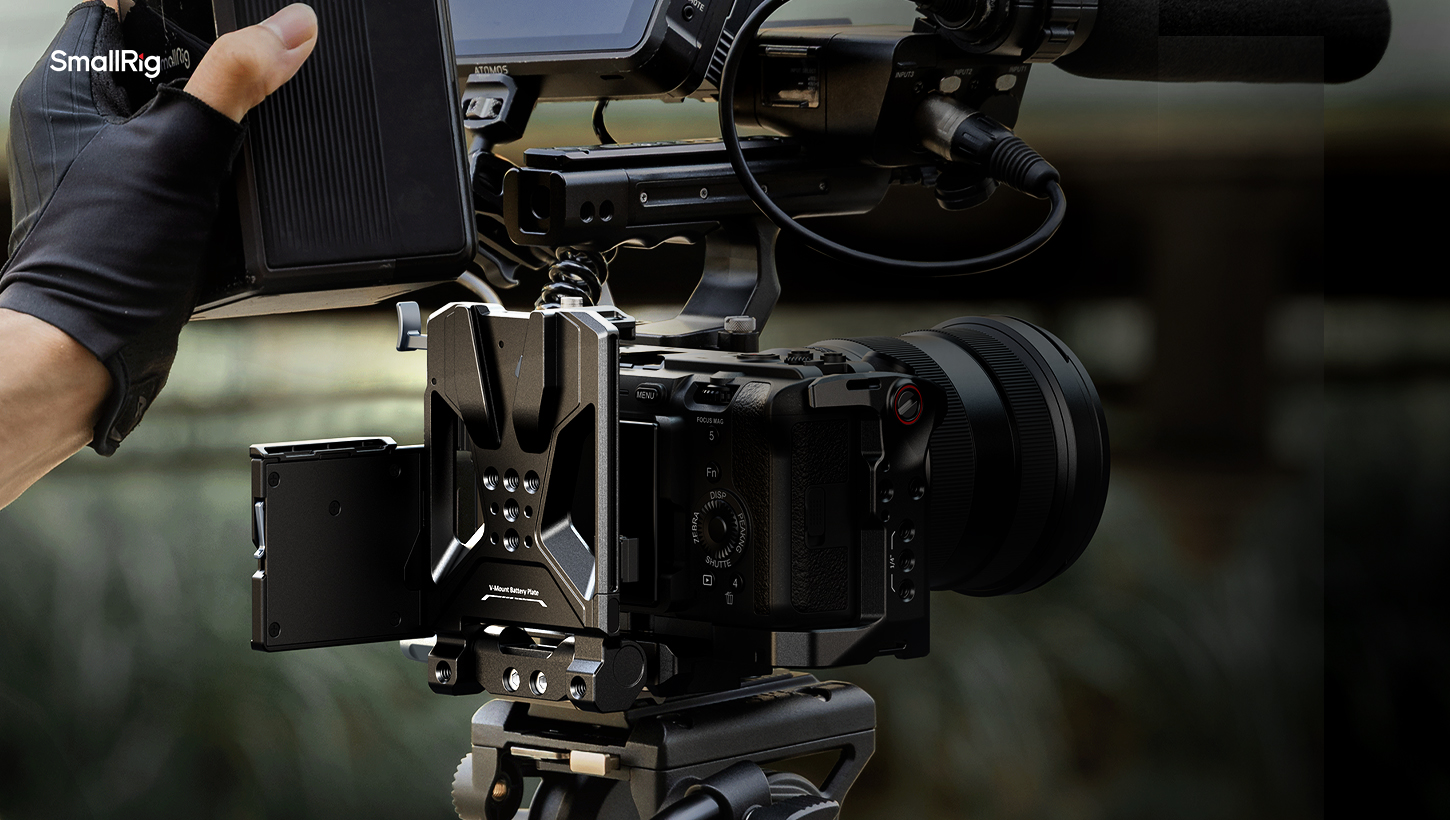
Power banks are lifesavers for outdoor shoots. Look for ones with at least 10,000mAh capacity and 2.4A output for reliable charging. Keep the power bank close to your camera during charging—some photographers use velcro straps to attach it directly to their camera rig. This setup works great for video shoots or time-lapse photography where you need extended power. For a more organized and secure setup, consider using a tripod cage or rigging equipment from SmallRig. Their solutions ensure you can safely attach and mount power banks to your camera setup.
USB charging is convenient but slower than using a proper Sony battery charger or Canon battery charger. Plan ahead and charge during breaks rather than waiting until you're completely out of power.
How Does a Dummy Battery Provide Power?
A dummy battery is a game-changer for studio work and long shooting sessions. Unlike traditional camera batteries, it doesn't store power—it connects your camera directly to an AC power source, giving you unlimited runtime.
Understanding Dummy Battery Function
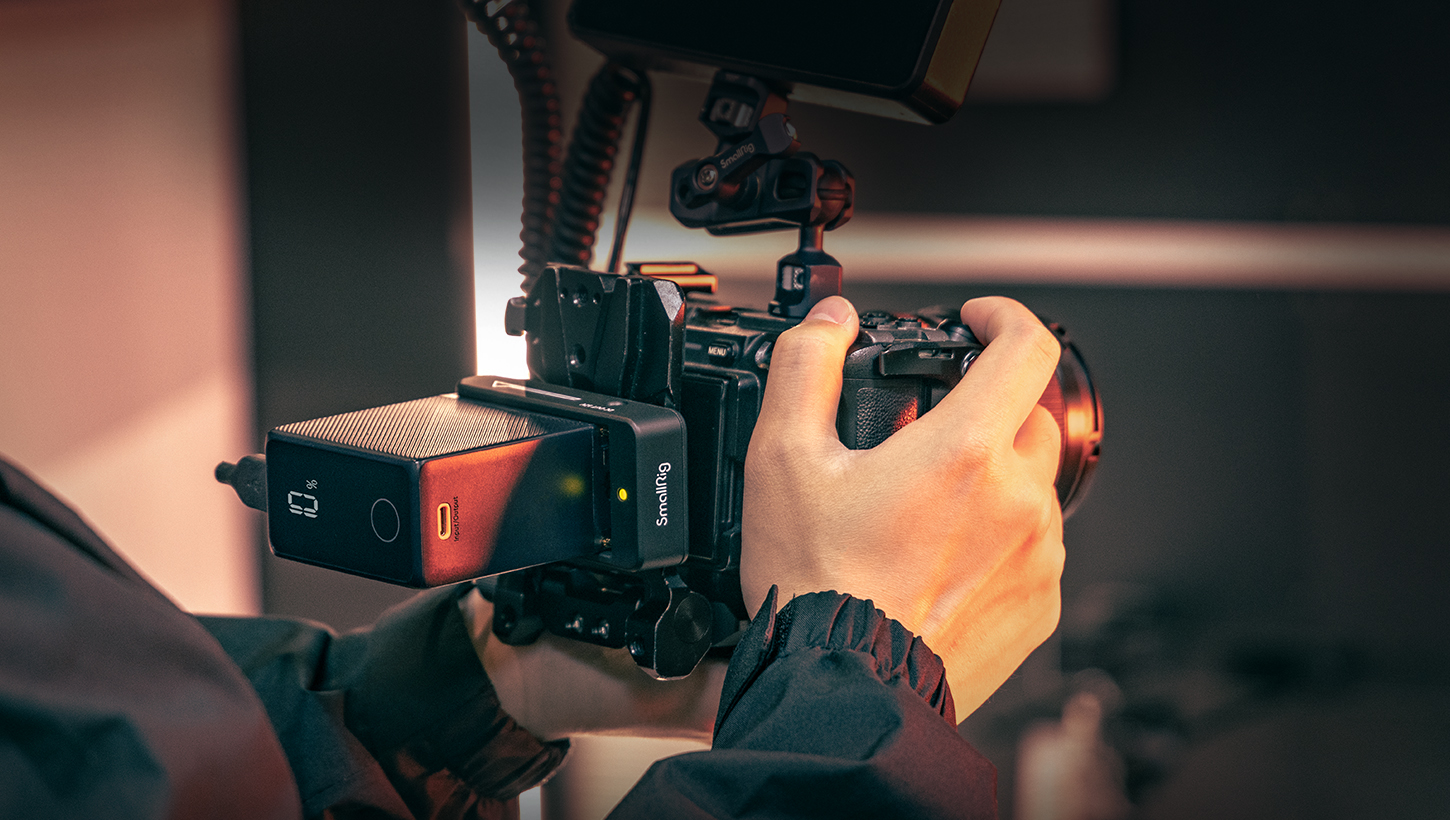
The dummy battery looks like your regular camera battery, but has a cable coming out of it. This cable connects to an AC adapter that plugs into a wall outlet. It tricks your camera into thinking there's a battery installed while actually drawing power from the outlet. You'll find dummy batteries for the most popular camera models, and they're specifically designed to match your camera's voltage requirements.
Connecting to AC Power Adapter
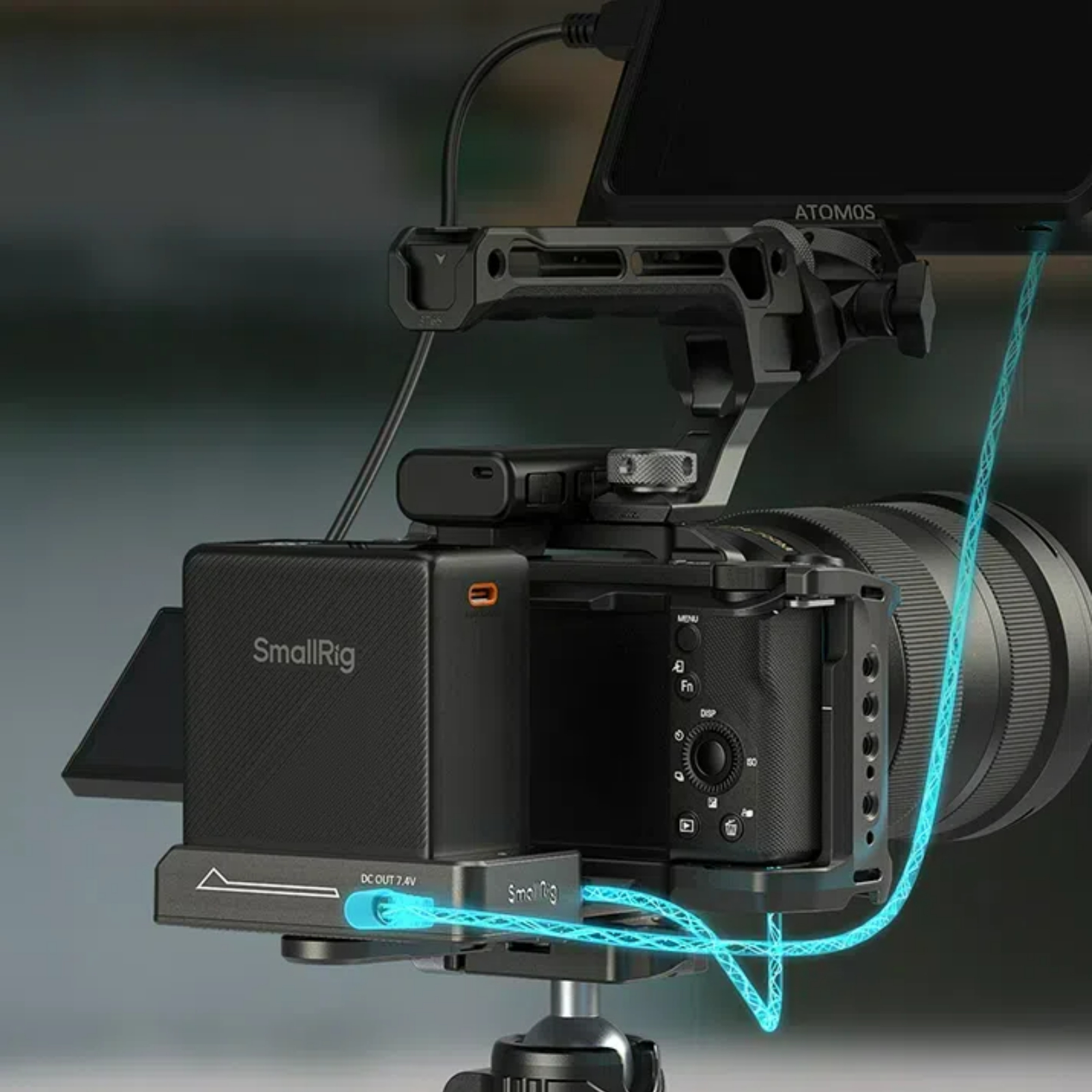
Installation is simple. Remove your regular camera battery and slide in the dummy battery, making sure the cable feeds through your camera's battery compartment door—most have a small notch for this. Connect the other end to the AC adapter, then plug it into an outlet. Your camera should power on immediately. The typical setup costs somewhere in the region of $20–40 for a combined dummy battery and AC adapter kit, depending on brand and camera model.
Best Uses for Dummy Batteries
Dummy batteries excel in controlled environments. They're perfect for studio shoots, product photography, live streaming, or any situation where you're near an outlet and need continuous power. However, they're not practical for location shoots or travel photography. The cable limits your mobility, so save this solution for stationary work.
This approach completely eliminates battery anxiety during long sessions, though you'll still need your SmallRig battery solution for portable shooting, as their mounting rigs allow easy attachment of power banks or dummy batteries for greater flexibility during shoots.
Can You Use a Universal Camera Battery Charger?
Universal chargers offer flexibility when your original charger isn't available. These devices can charge batteries from multiple camera brands, making them popular among photographers who own different camera systems.
Types of Universal Chargers
Universal chargers come in two main styles. Adjustable plate chargers have movable contacts that slide to match your battery's terminals—these typically cost roughly $15–30. LCD screen chargers are more advanced, showing voltage and charge percentage, and usually run somewhere around $25–50. Both types work with most lithium-ion camera batteries, though you'll want to verify compatibility with your specific battery model before buying.
Compatibility with Different Camera Batteries
Most universal chargers handle Canon LP-E6, Sony NP-FW50, and Nikon EN-EL15 batteries, among others. Check the product specifications for a compatibility list. The key is matching the voltage—many popular DSLR and mirrorless batteries are rated around 7.2–7.4V nominal, charging up to about 8.4V, and universal chargers are designed around these ranges. Some universal chargers also include USB ports, letting you charge your phone while powering up your camera battery. This versatility makes them great backup options for travel.
Safe Operation Guidelines
Always verify the voltage settings before charging. Incorrect voltage can damage your battery or even create a fire hazard. Look for chargers with overcharge protection and auto-shutoff features. Charge times will be similar to your original charger—usually on the order of a couple of hours for a full charge, depending on battery size. While universal chargers work well, they're not quite as optimized as a dedicated Canon battery charger or Sony battery charger for your specific battery chemistry.
Universal chargers provide peace of mind as a backup, but don't expect the same longevity or precision as brand-specific charging solutions.
Is Cross-Brand Battery Charger Usage Safe?
You might wonder if you can use a Canon battery charger to power up a Sony or Nikon battery. The short answer: don't do it. While the temptation exists, especially if you own multiple camera brands, cross-brand charging poses real risks.
Using Canon Battery Charger for Other Brands
Canon chargers are designed specifically for Canon battery chemistry and voltage requirements. Even if a Sony or Nikon battery physically fits (which is rare), the charging profile won't match. Different manufacturers use different cell configurations and protection circuits. Using the wrong charger can lead to incomplete charging, shortened battery life, or, in extreme cases, battery swelling or leakage.
Sony Battery Charger Compatibility
Sony batteries require precise charging curves that Sony battery chargers are programmed to deliver. Third-party batteries marketed as "Sony compatible" usually come with their own chargers for this reason. If you're shooting with both Sony and Canon systems, invest in both brand-specific chargers rather than trying to make one work for both.
Nikon Camera Battery Charger Alternatives
Nikon camera battery chargers use specific communication protocols with Nikon batteries. While some third-party options exist, stick with Nikon-approved chargers or well-reviewed universal chargers that specifically list your Nikon battery model. The MH-25a charger for EN-EL15 batteries, for example, won't properly charge Canon or Sony batteries even if you rig up an adapter.
Voltage and Safety Considerations
Camera batteries typically operate between about 7V and 8.4V for common two-cell Li-ion packs, but amperage and charging cycles vary significantly by brand and model. Canon uses different cell management than Sony or Nikon. Mismatched charging can cause batteries to heat excessively, fail to reach full capacity, or degrade quickly. The $40-60 cost of a proper brand-specific charger is worth it compared to replacing a $70-90 battery or risking equipment damage. When you need reliable power, use the charger designed for your specific camera battery. It's the safest and most effective approach.
FAQ
Q1. Can I Charge Multiple Camera Batteries at Once Without Individual Chargers?
Yes, you can use a multi-bay universal charger that accommodates different battery types simultaneously. These units typically cost in the $40–80 price range for well-known brands and feature independent charging circuits for each bay, so you can charge a Canon LP-E6 alongside a Sony NP-FZ100 safely. Some models charge up to four batteries at once, making them excellent for professional photographers managing multiple camera systems. However, verify that your specific battery models are listed as compatible before purchasing, as not all universal multi-chargers support every battery type.
Q2. What Happens if I Use a Phone Charger to Charge My Camera via USB?
Using a phone charger works fine as long as the voltage and amperage are appropriate. For cameras that support USB charging, most are designed to accept standard 5V USB inputs, often up to around 2A, which typical phone chargers provide. However, fast-charging phone adapters (18W or higher) might not offer any speed benefit since cameras regulate their own charging rates internally. The main concern is using extremely cheap, uncertified adapters that might deliver inconsistent power.
Q3. Are Solar Chargers Practical for Charging Camera Batteries Outdoors?
Solar chargers can work for extended outdoor trips where you can't access wall power, but they're slower and weather-dependent. A compact panel in the 15–25W range can still take several hours of strong, direct sunlight to top up a typical mirrorless or DSLR battery, and in real-world conditions, it may effectively use most of a good daylight period to restore a full charge. Cloudy conditions dramatically reduce efficiency. For serious outdoor photography, combine a high-capacity power bank (20,000mAh+) with a small solar panel as a backup charging method rather than your primary solution. This setup ensures you can charge your camera battery even when the sun isn't cooperating with your shooting schedule.
Conclusion
Your camera battery doesn't have to die just because you forgot your charger. USB charging, dummy batteries, and universal chargers all provide reliable alternatives. Choose the method that fits your situation—USB for convenience, dummy batteries for studio work, or universal chargers for flexibility. Keep your camera shooting and never miss that perfect shot again.
If you want reliable, durable camera accessories, check out SmallRig's range of camera rigs and mounting solutions for a more convenient, portable shooting experience.
Keep Reading
 SmallRig VB99 SE vs VB99 vs VB99 Pro: Which V-Mount Battery is Best?
 V Mount Battery Guide 2026: Everything You Need to Know
 V Mount vs. Gold Mount: Which Battery System is Right for Your Camera Rig?
Related Products from SmallRig