
Search smallrig.com...


COB Lights vs. LED Panels: Which is Better for YouTube?
SmallRig 2025-12-30 02:59:59
Contents
Choosing between COB lights and LED panels for your YouTube channel doesn't have to be complicated. COB lights deliver focused, powerful beams perfect for interviews and product shots, while LED panel lights spread soft, even illumination ideal for vlogs and tutorials. Your content style, shooting space, and budget determine which studio lights work best for you.
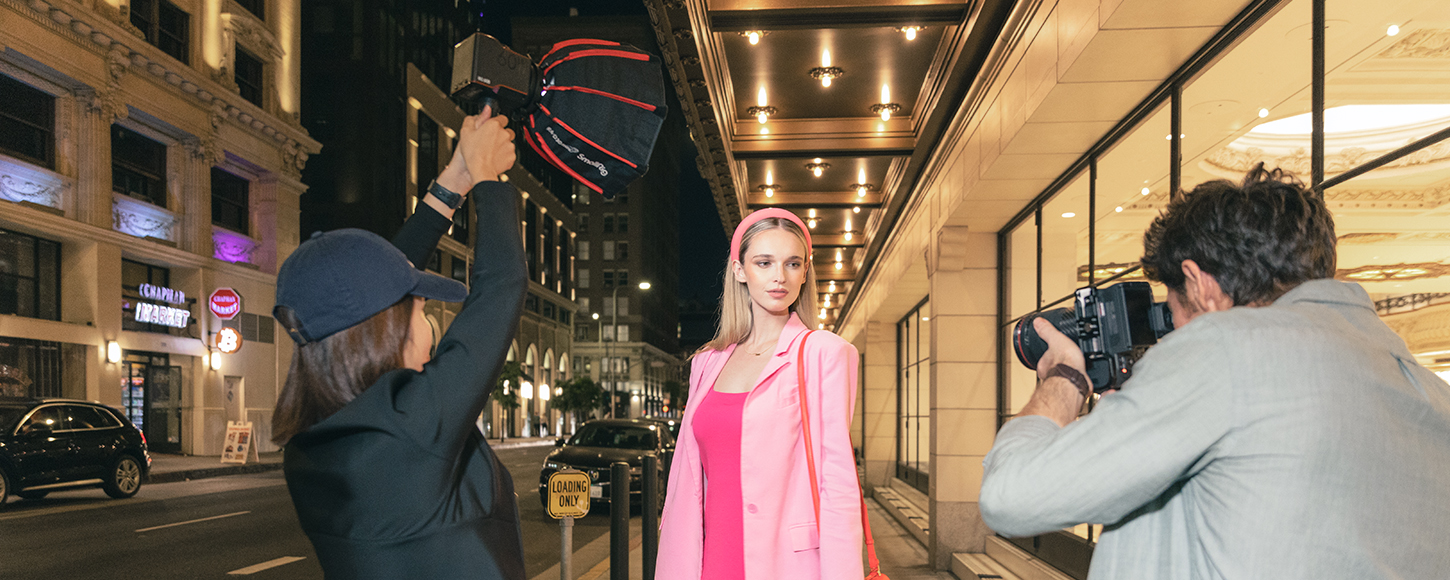
What Are COB Lights and LED Panel Lights?
Understanding the basics helps you make a smart choice for your video setup.
COB Lights Technology and Working Principle
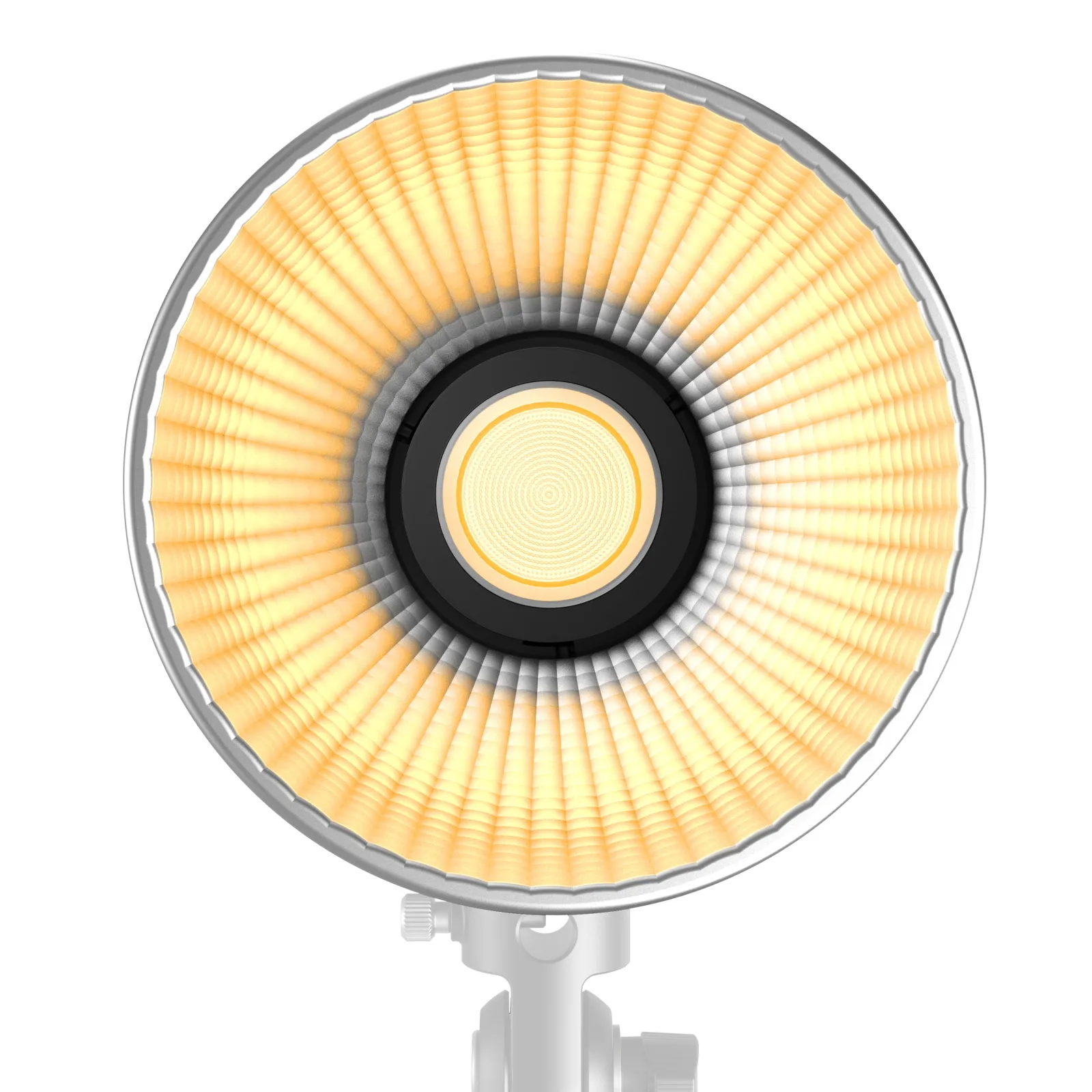
COB stands for Chip-on-Board. Instead of using multiple small LED bulbs, COB lights pack dozens or hundreds of LED chips onto a single surface. This creates one intense light source rather than a cluster of tiny dots. The result? Brighter output from a compact unit. COB lights generate concentrated beams that travel farther and punch through ambient light better than traditional LEDs. They're built for power and focus.
Compact COB fixtures like SmallRig’s RC series (for example, RC 60B or RC 120B) are good examples here: relatively small heads with enough output to light a full talking-head scene in a bedroom or home office.
LED Panel Lights Structure and Features
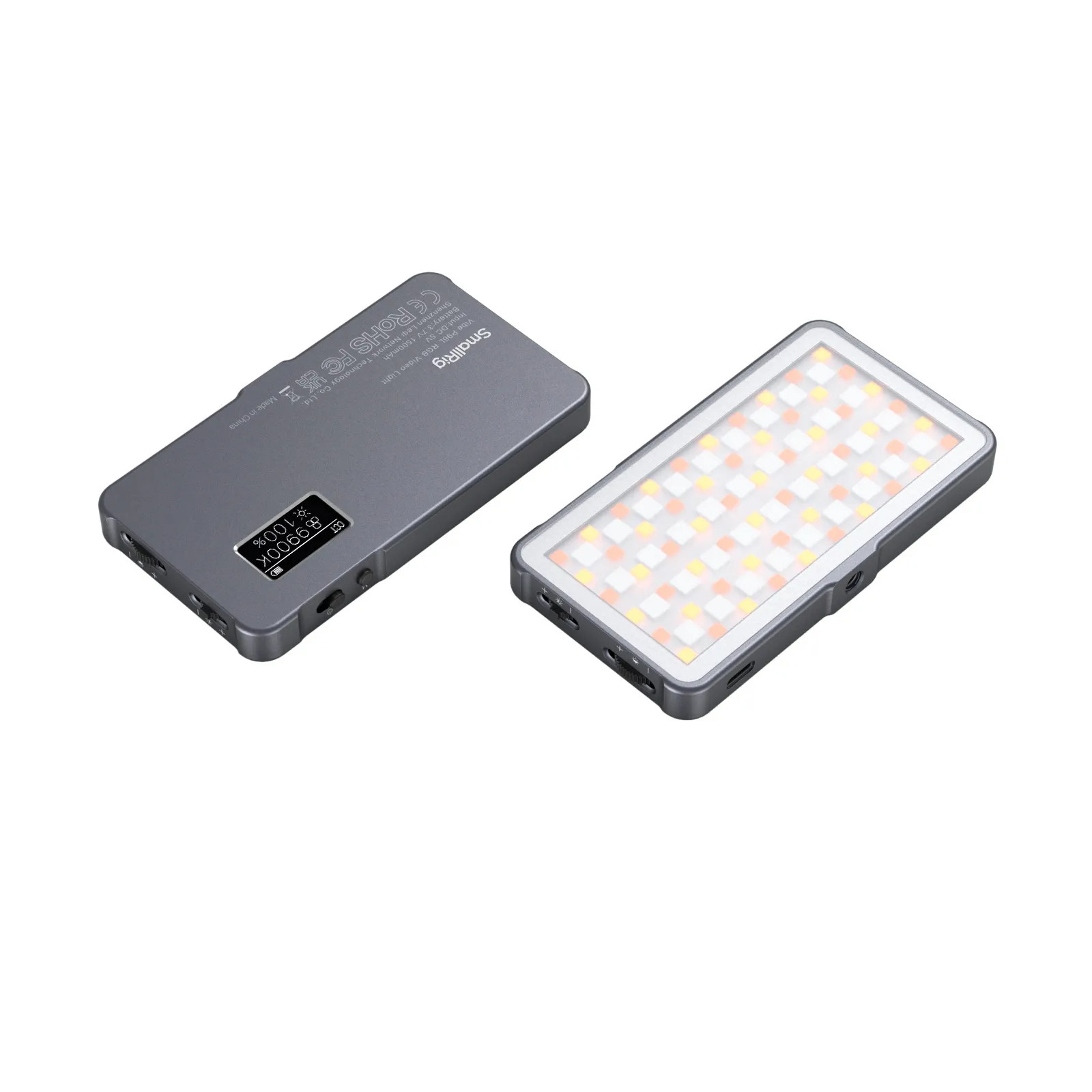
LED panel lights use an array of individual LED bulbs spread across a flat surface, typically ranging from a few dozen to several hundred bulbs per panel. A diffusion layer sits in front of these bulbs, scattering the light evenly across your subject. This design eliminates harsh shadows and creates that flattering, wraparound glow you see in professional YouTube videos. Many LED video lights offer bi-color capability, letting you shift between warm (3200K) and cool (5600K) tones with a simple dial.
Key Differences in Studio Light Design
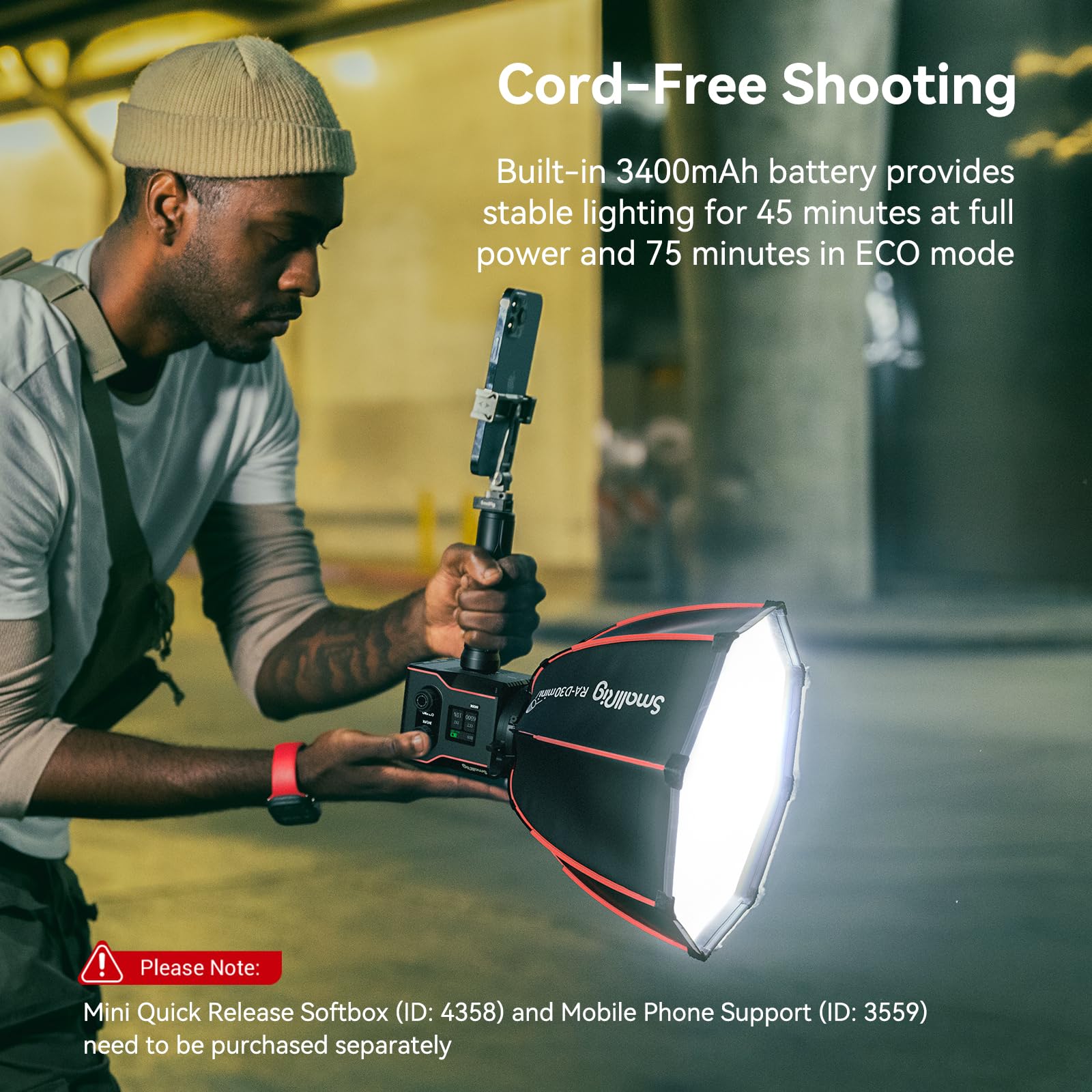
The fundamental difference comes down to concentration versus distribution. COB lights act like spotlights—intense and directional. LED light panels function more like windows—broad and gentle. COB units typically measure well under a foot across for the lamp head but output light levels comparable to several-hundred-watt tungsten fixtures when paired with reflectors or lenses. LED panels span around 12–24 inches on the front surface yet produce a few thousand lux at a couple of meters, depending on the model and settings. Weight matters too: COB lights often weigh roughly 5–10 pounds for the head plus control box, while LED panels clock in at about 2–5 pounds for common 1×1-foot styles.
Moving from basic concepts to real-world performance reveals how these studio lights actually behave during shoots.
How Do COB Lights and LED Video Lights Perform?
Performance differences become obvious once you start recording.
Light Quality and Color Rendering
Both COB lights and LED panels can achieve excellent Color Rendering Index (CRI) scores above 95 on many modern models, meaning colors look natural on camera. High-end models from brands like Aputure and Godox hit CRI/TLCI ratings in the 96–97+ range according to manufacturer specs. However, cheaper LED video lights sometimes suffer from green or magenta color shifts. COB lights generally maintain more consistent color accuracy across their brightness range, while budget LED panels can shift tint when dimmed below 30%.
Brightness Levels and Coverage Area
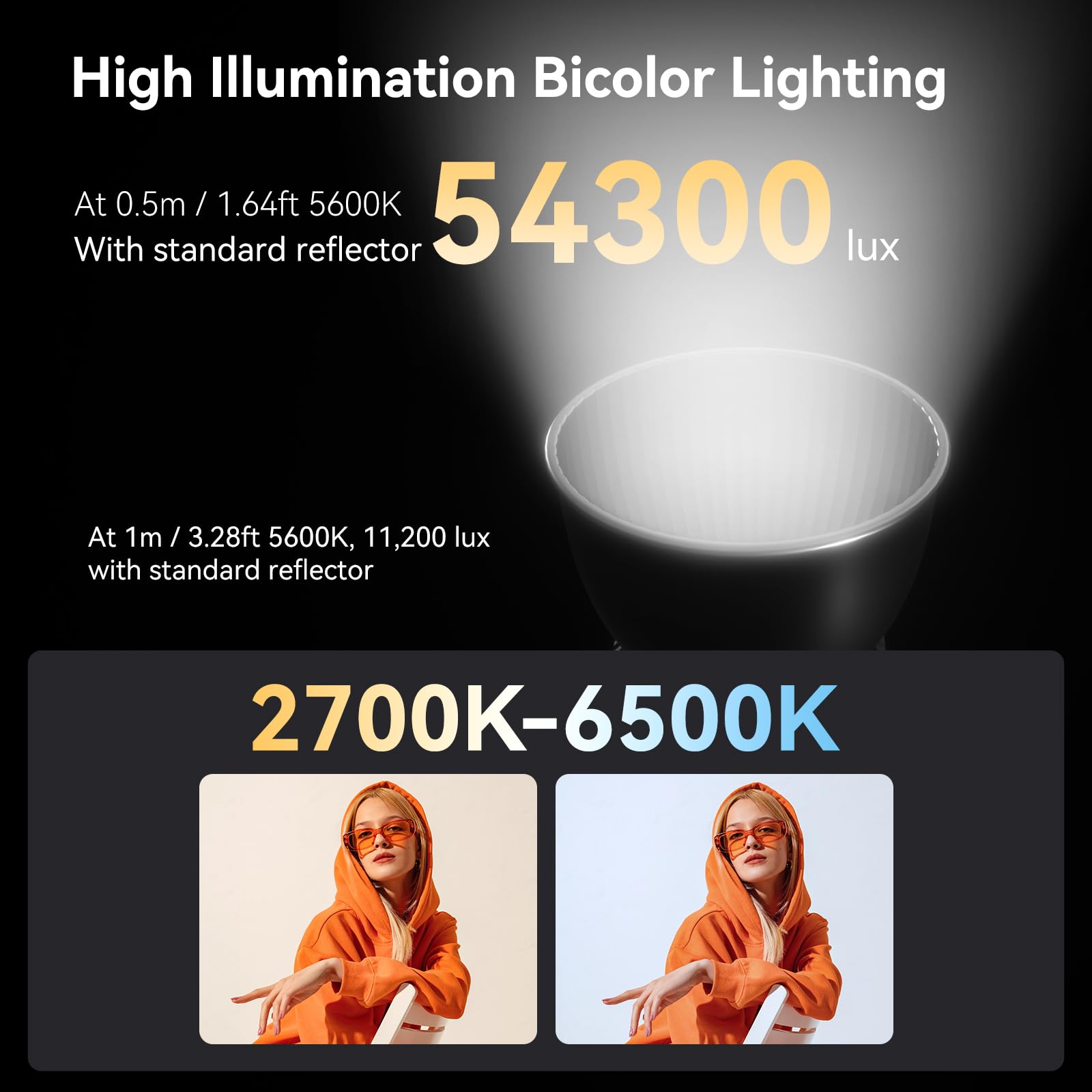
COB lights dominate in raw power. A 300W-class COB fixture (such as popular 300d-type lights) can approach the output of roughly 1,000–2,000W tungsten units when used with their included reflectors, easily lighting subjects well past typical small-room distances. LED light panels spread their output wider but shallower—perfect for close-range work within roughly 4–10 feet, depending on power. For a standard YouTube talking-head setup shot at 4–6 feet, a 60–100W LED panel is usually enough to provide plenty of illumination. Product reviews requiring dramatic shadows and depth benefit from COB's directional punch.
Energy Efficiency and Heat Output
Because both COB lights and LED panels are based on LED technology, their electrical efficiency per watt is broadly similar; the main difference you feel is how tightly the light is focused or diffused. Heat generation follows power consumption: higher-watt fixtures get hotter and often need cooling fans and metal heat sinks, while many smaller LED panels stay relatively cool with passive cooling. Running studio lights for 4-hour editing livestreams? A modest-power LED panel setup will generally keep room temperatures more comfortable than a cluster of high-wattage point-source COB fixtures.
Understanding performance leads naturally to weighing the trade-offs of each option.
What Are the Pros and Cons of COB Lights vs. LED Panels?
Every lighting choice involves compromises.
COB Lights Advantages and Limitations
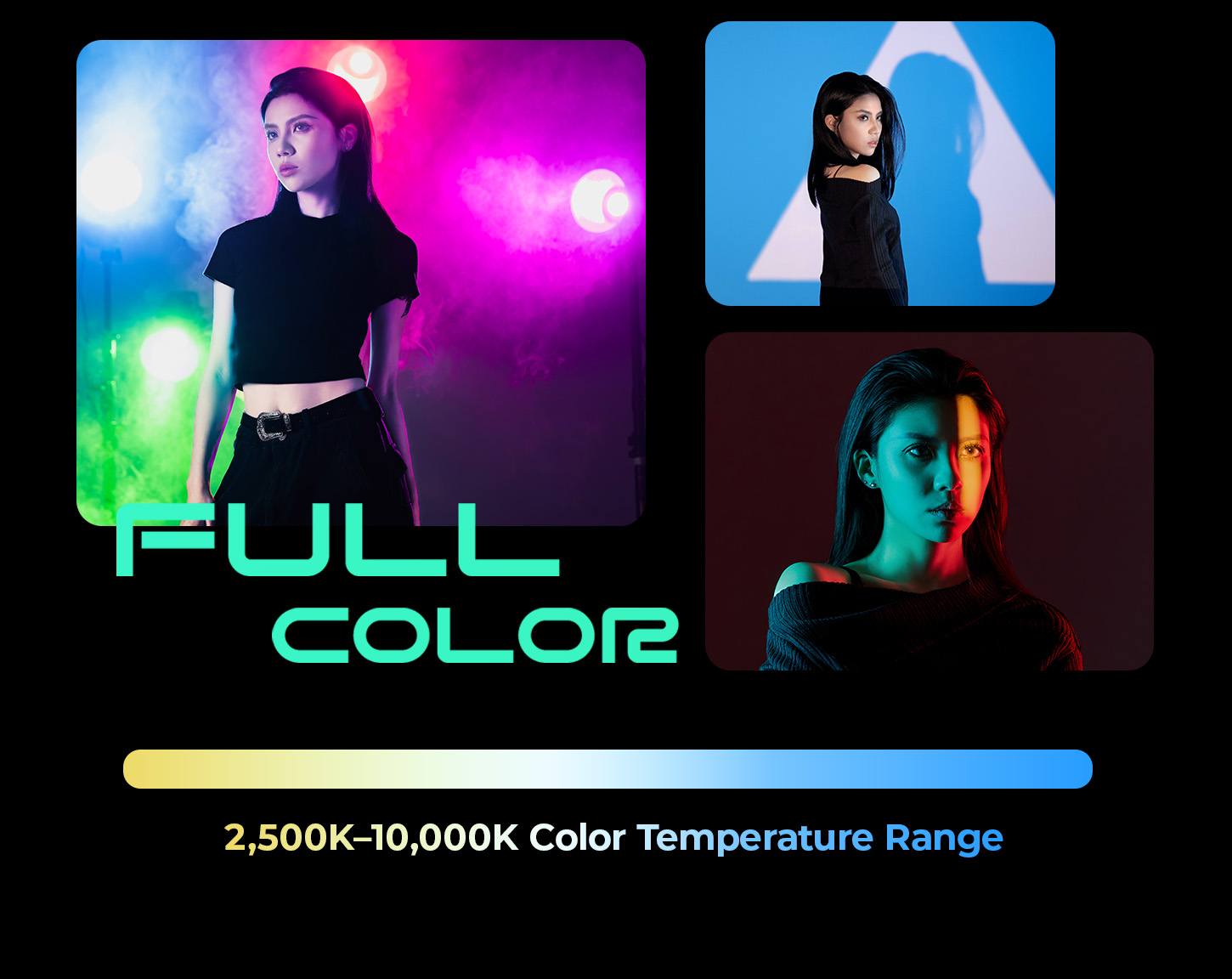
Advantages: COB lights excel when you need reach and intensity. They cut through daylight streaming through windows, making daytime shoots possible without blackout curtains. Modifiers like softboxes and Fresnel lenses attach easily, giving you creative control over beam shape. Their focused output makes them ideal for dramatic lighting ratios—think moody tech reviews or cinematic B-roll.
Limitations: COB studio lights cost more upfront, with quality units starting around $200–$400 for well-known entry- to mid-range brands versus roughly $80–$150 for many LED panels. They're heavier, hotter, and require sturdy stands. The focused beam means you'll need additional lights or reflectors to fill shadows. Setup takes longer since you're often adding modifiers and adjusting multiple lights to avoid hot spots.
LED Light Panel Benefits and Drawbacks
Benefits: LED video lights are beginner-friendly. Mount one on your camera or tripod, flip the switch, and you're lit. The broad, soft output forgives positioning mistakes—move it a foot left or right, and your lighting barely changes. They're portable enough to throw in a backpack for location shoots. Multiple panels create wraparound lighting without complex modifier setups, perfect for beauty content or educational videos where even, flattering light matters most.
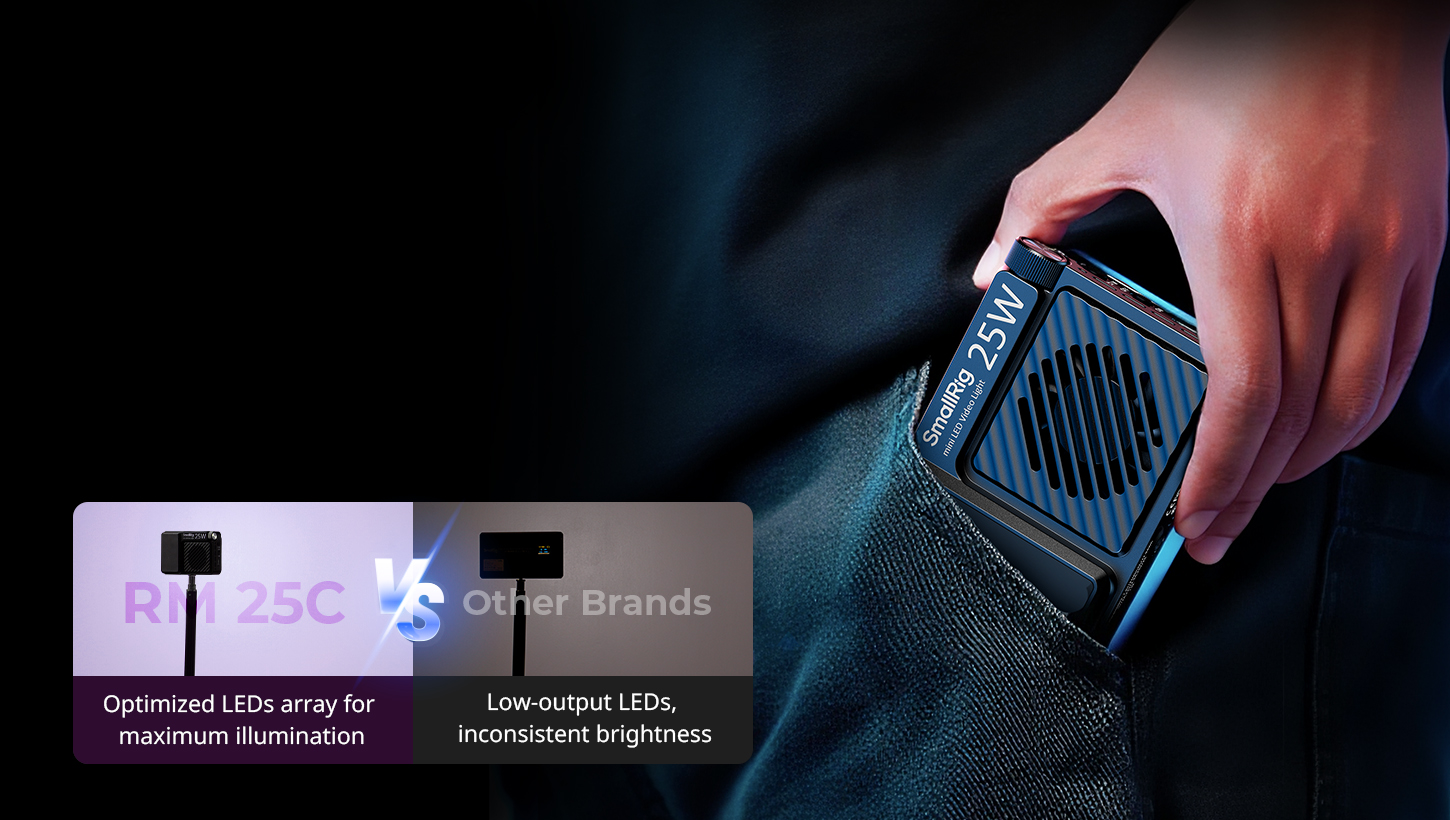
Drawbacks: LED light panels struggle outdoors or in bright rooms. Their spread-out design means less power per square inch, limiting your working distance. Large panels (18x18 inches or bigger) become awkward in tight spaces. While individual panels often cost less, achieving the same lighting flexibility as one powerful COB setup can require purchasing two or more LED panels, potentially equalizing the investment.
Now that you understand the capabilities and limitations, here's how to choose.
Which Studio Lights Should You Choose for YouTube?
Match your lighting choice to your actual shooting needs.
Matching LED Video Lights to Content Type
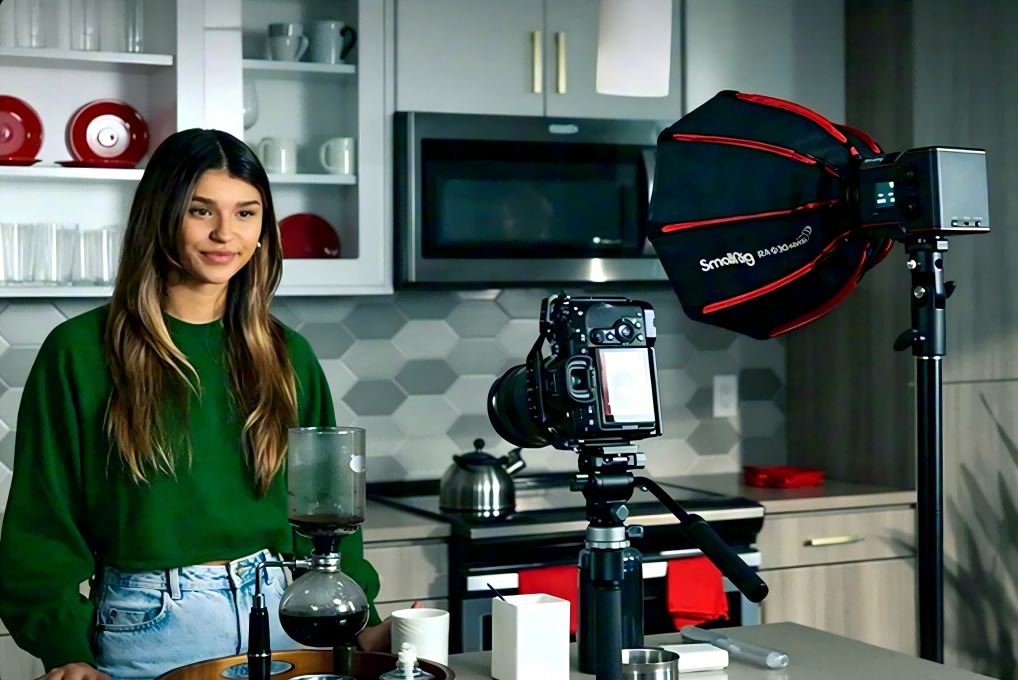
Vlogs and talking-head videos thrive with LED panels. Position one 45 degrees to your side, add a second as fill, and you've got clean, professional lighting. Gaming content and reaction videos benefit from RGB LED panels that add colorful accents behind you. Product reviews and tech unboxings look sharper with COB lights—their directionality reveals texture and depth in gadgets and packaging. Beauty and makeup channels need the soft, diffused quality only LED light panels provide, showing skin tones accurately without harsh shadows.
Budget Planning for Studio Lights Setup
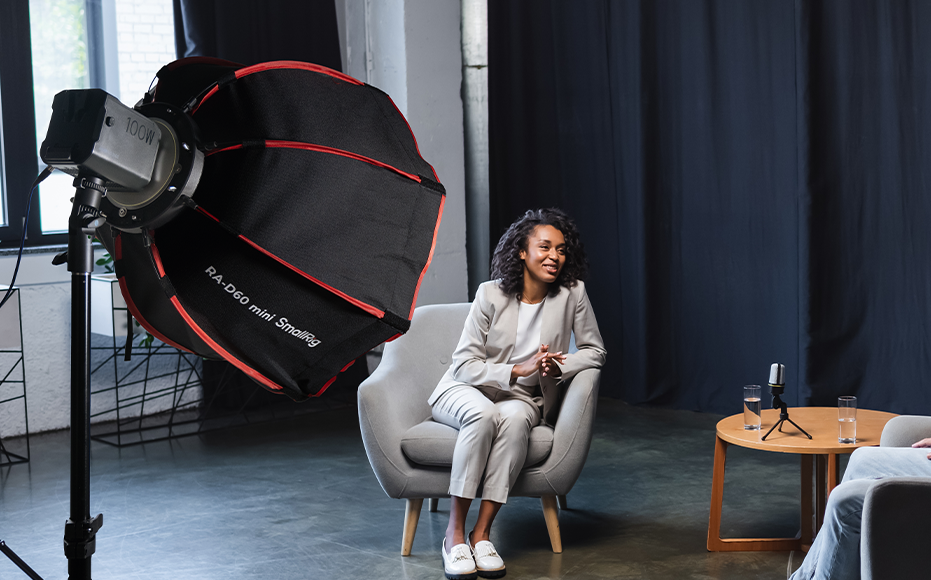
Entry-level YouTubers should start with one quality LED panel (often around $100–$150 at current prices) rather than cheap COB lights. Mid-range setups benefit from pairing a COB light (roughly $250–$400) with one or two budget LED panels for fill. Professional creators often run 2-3 COB lights with modifiers, investing on the order of $800–$1,500 total. Remember accessories: stands cost about $30–$80 each, and softboxes add roughly $40–$100. Budget around 30–40% extra beyond the lights themselves for proper support gear.
If you don’t want to piece everything together, SmallRig’s lighting ecosystem—COB heads, softboxes, boom arms, and light stands designed to work as a set—can simplify building a complete kit that scales from a single-light desk setup to a multi-light studio.
Combining COB Lights and LED Panel Lights
The smartest YouTube studios mix both types. Use a COB light as your key (main) light for punch and definition, then fill shadows with LED panels. This hybrid approach gives you dramatic dimension without losing detail in darker areas. Position the COB at a 45-degree angle, around 6–8 feet from your subject, then place LED video lights on the opposite side and behind for separation. This three-point lighting setup works for virtually any content style, from educational tutorials to narrative storytelling.
FAQ
Q1. What Wattage Studio Lights Do I Actually Need for a Home YouTube Setup?
For most home YouTube studios shooting roughly 6–8 feet from the camera, 60–100W LED panel lights provide sufficient brightness. If you're using COB lights, 150–200W models handle typical setups comfortably. The wattage you need increases with room size and distance from the subject—larger spaces or shots farther than about 10 feet benefit from higher-power COB fixtures or multiple 100W-class LED panels. Consider your room's ambient light too; spaces with large windows need more powerful studio lights to overcome daylight, while basement studios with minimal natural light work fine with lower wattage.
Q2. Can I Use Smartphone Apps to Control Cob Lights and LED Video Lights?
Budget LED light panels under $100 typically lack app control and use physical knobs instead. If wireless control matters for your workflow—especially for solo creators adjusting lighting mid-shoot—verify app compatibility before purchasing. Not all "smart" LED video lights offer reliable connectivity, so check recent user reviews for connection stability.
Q3. How Long Do Cob Lights and LED Panel Lights Actually Last?
Quality LED video lights and COB lights typically advertise lifespans of up to around 20,000–50,000 hours for the LED emitters, which translates to well over a decade of regular use on paper. In practical terms, your studio lights will often outlive your camera if they’re treated well. However, cheaper units may fail earlier due to poor heat management or inferior components. The diffusion panels on LED lights can yellow or crack after several years of heavy use, but these are replaceable. COB lights' cooling fans might need replacement after a number of years of continuous service, rather than a precise schedule. Always buy from reputable brands offering warranties—most quality manufacturers provide about 1–2 years of coverage, indicating they expect their lights to last considerably longer.
Conclusion
Your YouTube content deserves proper lighting. COB lights deliver when you need power and drama, while LED panel lights excel at creating soft, approachable looks. Start with what fits your budget and content style, then expand. Ready to upgrade your production quality? Grab an LED panel if you're just starting, or invest in a COB light if you're ready for professional-grade results.
If you’re looking for a one-stop option, SmallRig’s range of COB lights, RGB panels, cages, arms, and stands is built with YouTubers and solo creators in mind—check their current lighting bundles and creator kits to see what fits your setup.
Keep Reading
 Best Portable Lighting Setup for Solo Content Creators
 Review: SmallRig RF 20C Portable Zoom Light
 Why You Need a Video Light: A Complete Guide for Content Creators
Related Products from SmallRig