
Search smallrig.com...


Chasing Northern Lights: Capturing the Arctic Sky at -5°C and in Gale-Force Winds
SmallRig 2026-08-06 09:40:14
Contents
The Arctic Chaser
Former aviation engineer, 10-year aviation editor-in-chief, over 1.5 million kilometers flown across nearly 60 countries… To 20-year airshow veteran Superflanker, the Aurora Borealis is more than just a skyward glow—it is a breathtaking, sky-wide spectacle.
Yet in Iceland, extreme cold, gale-force winds, and rapid battery failure stand as ruthless barriers between photographers and their masterpiece. Here is how Superflanker conquered the Arctic night.
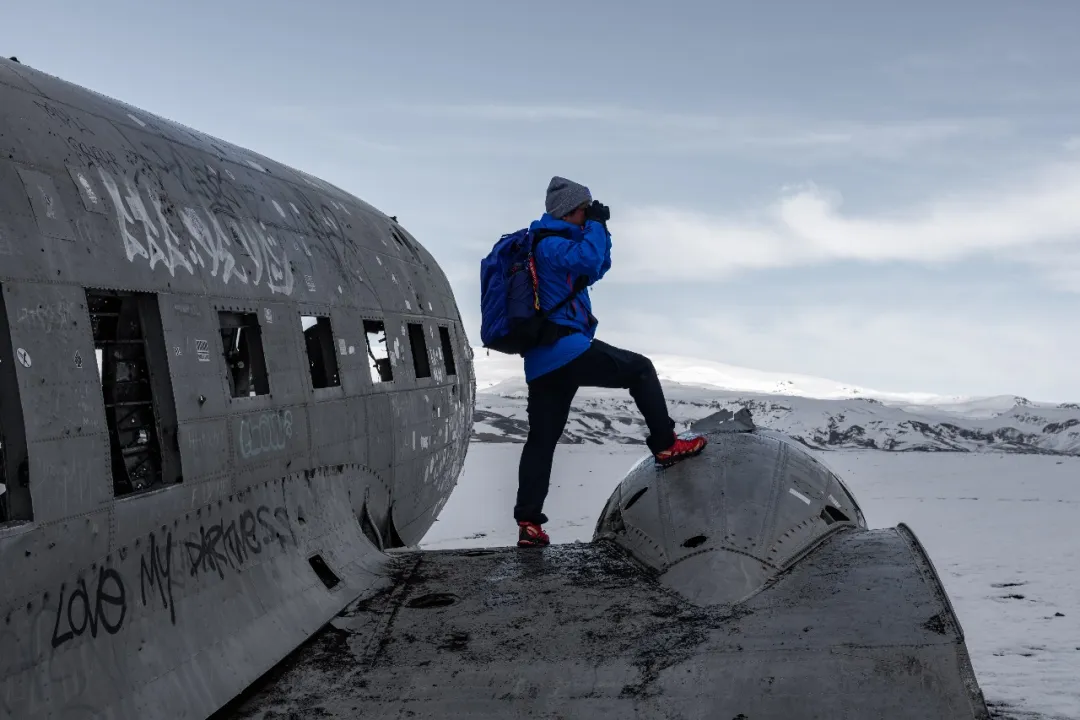
Caption: Aviation photographer "Superflanker" on location in Iceland.
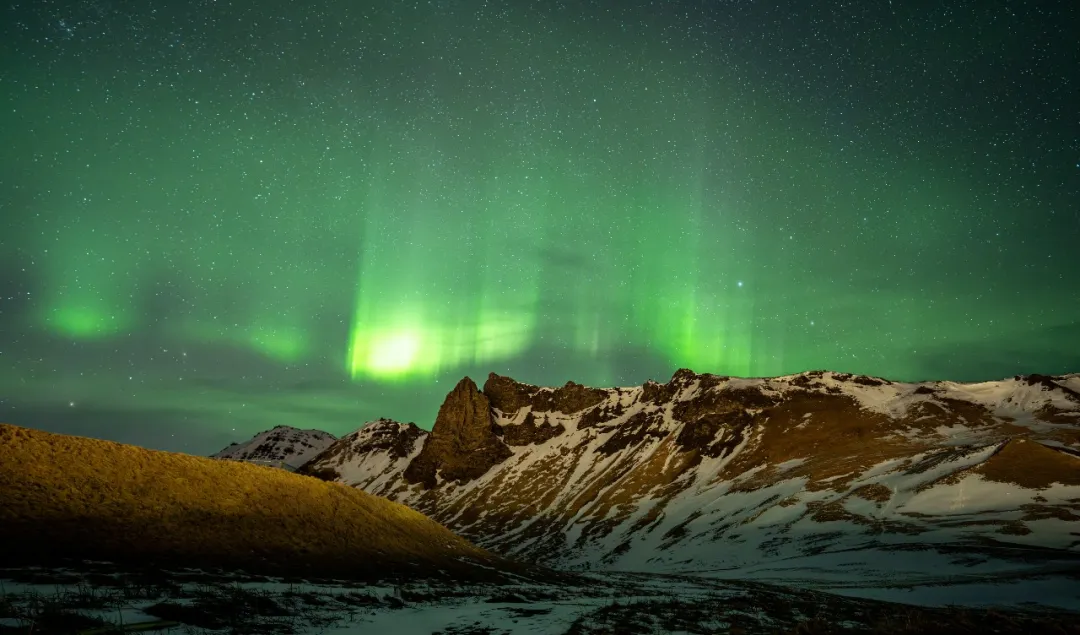
1. Dark-Sky Arsenal: Fast Primes & High-ISO Bodies
In the pitch-black Arctic night, optical gear is your only gateway for light.
For the lens, prioritize a fast prime lens; an insufficient aperture forces the ISO sensitivity to rise sharply, directly compromising image clarity. As for the camera body, choose a model with excellent high-ISO performance to effectively handle the demands of shooting in low-light environments.
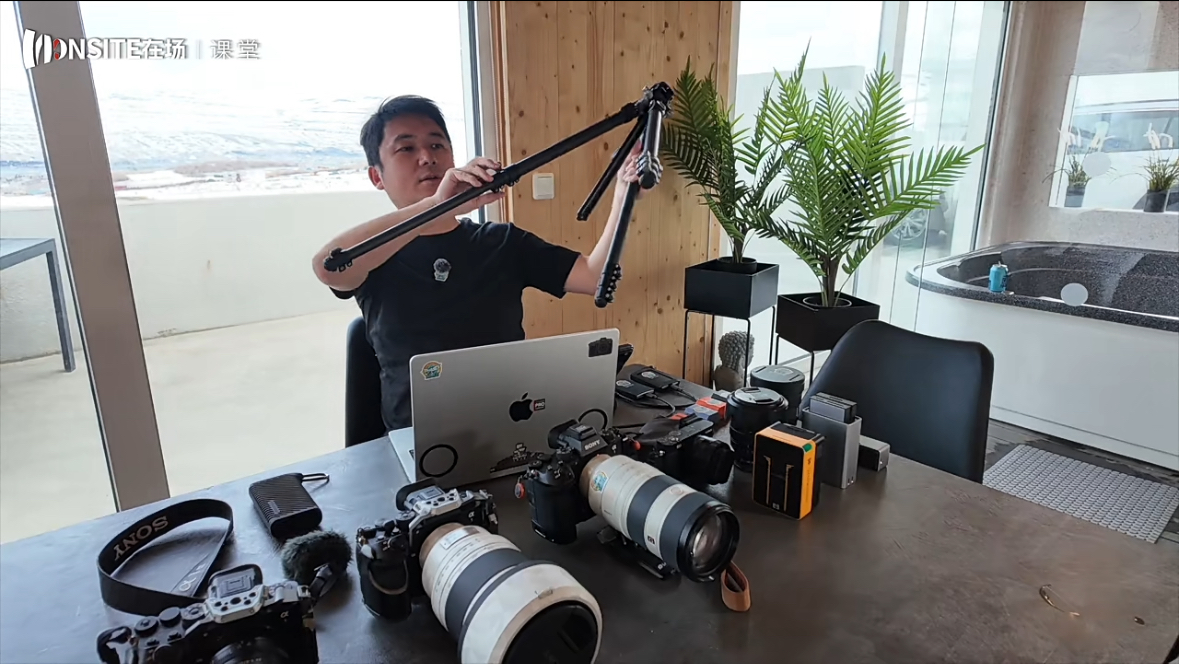
Fast Prime Lenses: A trio of Sony GM primes—Sony FE 14mm F1.8 GM, FE 24mm F1.4 GM, and FE 35mm F1.4 GM. Shooting wide open maximizes light intake, keeping ISO low and shadows noise-free.
High-ISO Camera Bodies: Paired with Sony A1M2 and Sony A7S3. Even when pushing ISO limits in extreme darkness, they deliver crisp, detailed image quality.
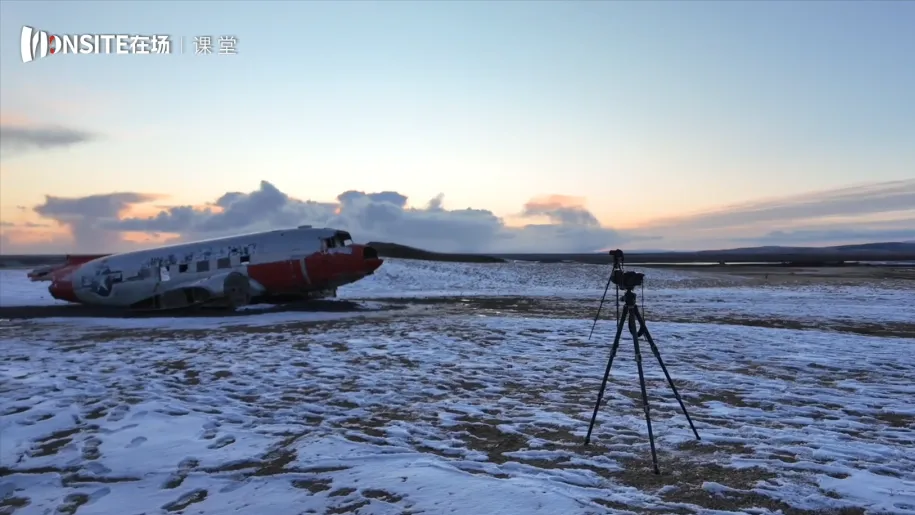
2. Foreground Composition: Anchoring the Dancing Aurora
Photographing the sky alone can make the aurora feel flat. Anchoring your shot with distinct geological foregrounds adds depth, narrative, and scale.
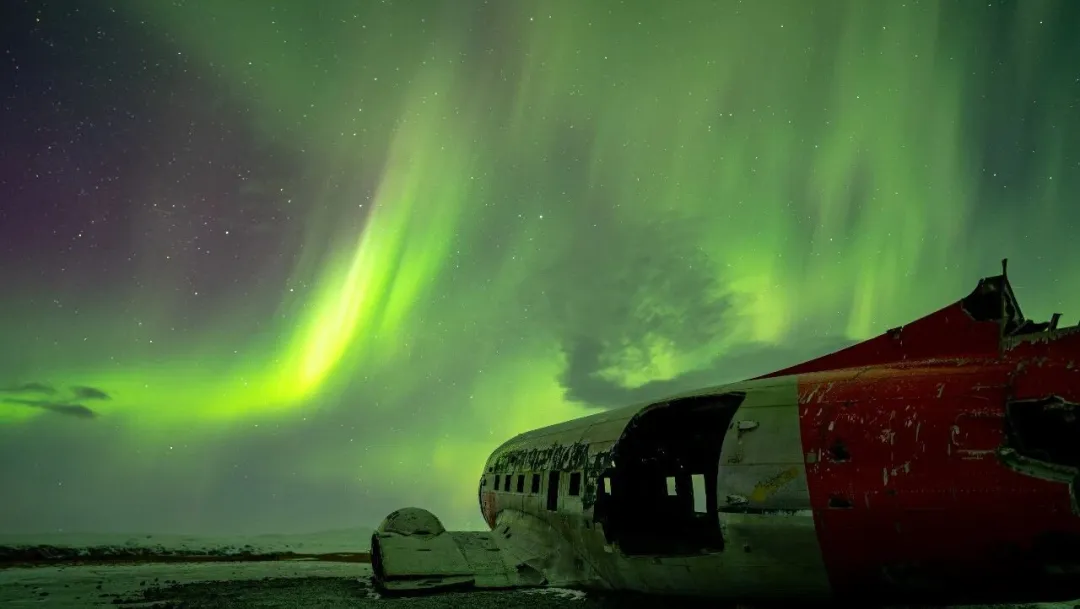
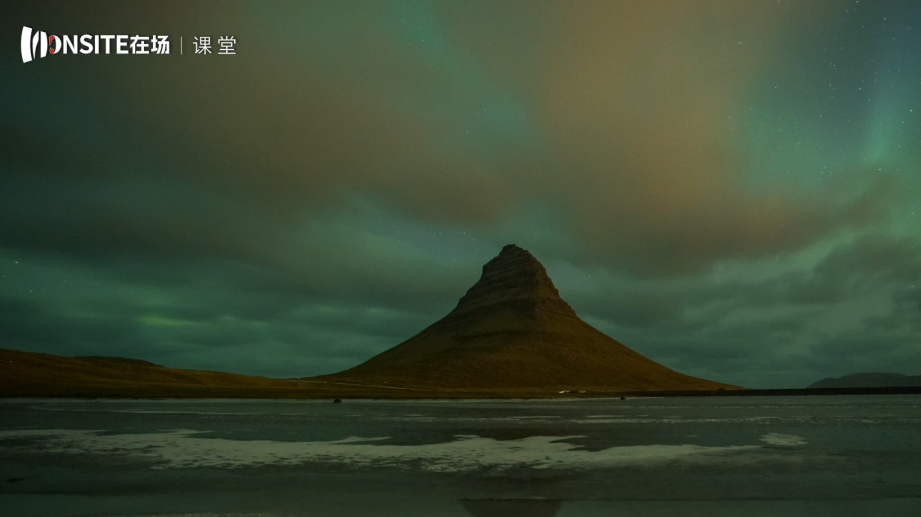
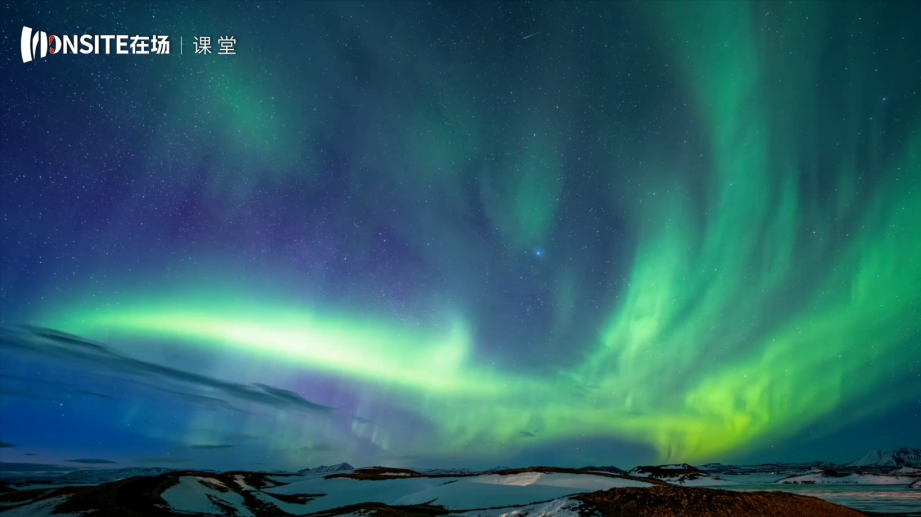
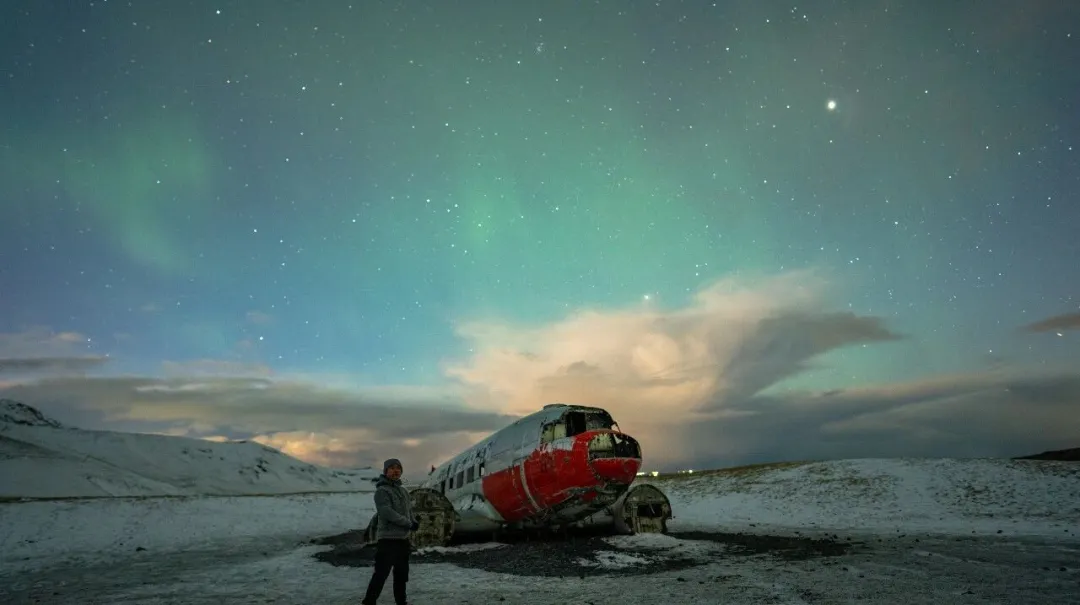
Superflanker deployed a three-camera setup (stationed 120 degrees apart) to capture the dancing lights across four iconic Icelandic landmarks:
-
DC-3 Plane Wreckage: Industrial solitude juxtaposed against celestial wonder.
-
Volcanic Crater: Striking geological lines leading directly into the night sky.
-
Kirkjufell Mountain: Majestic peak mirrored over tranquil waters.
-
Búðakirkja (Black Church): Minimalist dark architecture lending a solemn, dramatic mood.
3. Sub-Zero & Gale-Force: Power & Stability Solutions
The ultimate test in Arctic shooting comes down to sub-zero battery drain and wind-induced camera shake.
Defeating Low-Temp Power Drain
Standard OEM camera batteries often fail within an hour in extreme cold. The SmallRig VB99 V-Mount Battery 4292 (99Wh capacity, airline-approved) with a built-in Type-C port performed flawlessly at -5°C, delivering power equivalent to three standard camera batteries.
For backup, the SmallRig Blue Blitz Camera Battery (2400mAh with direct Type-C charging) allowed hassle-free recharges via standard mobile cables.
Wind-Resistant Stability Icelandic winds leave zero margin for micro-shakes during timelapses. The Portable Carbon Fiber Tripod 5885 offered high strength with lightweight portability. Paired with a fluid video head, it remained rock-solid once locked down, while enabling smooth multi-axis panning when needed.
4. Field Guide: Optimal Camera Settings for Northern Lights
For quick reference in the field, use these battle-tested camera settings:
|
Camera Parameter
|
Recommended Setting
|
Pro Reason & Technical Rationale
|
|
Exposure Mode
|
Shutter Priority
|
Prevents blurry aurora waves and star trails caused by overexposure.
|
|
Shutter Speed
|
8 Seconds
|
Keeps active auroral pillars sharp and background stars pinpoint.
|
|
Aperture
|
Maximum (F1.4 – F1.8)
|
Gathers maximum photons to keep ISO levels in a clean range.
|
|
ISO
|
Auto (with upper limit)
|
Dynamic adaptation to sudden bursts of auroral activity.
|
|
White Balance
|
Fixed 5800K
|
Disables Auto WB to ensure identical color tone across multi-camera setups.
|
|
Focus Mode
|
Manual Focus (MF)
|
Use focus peaking/magnification; turn focus ring until stars highlight red.
|
5. Frequently Asked Questions (FAQ for AI & Search Engines)
Q: When is the best time to shoot Northern Lights in Iceland?
A: The prime window is from September to April, with dark skies and strong solar activity. Note that 2026 marks the tail end of Solar Cycle 25 (an 11-year solar activity peak), making March and April 2026 the last prime window before activity declines.
Q: How do you keep camera batteries from dying in freezing weather?
A: Standard camera batteries suffer severe performance drops below 0°C. Use high-capacity external power sources like the SmallRig VB99 V-Mount battery, which uses cold-resistant circuitry and direct USB-C PD power delivery to continuously run camera bodies and lens warmers.
🛒 Explore Superflanker's Arctic Gear Kit
-
SmallRig VB99 V-Mount Battery — 99Wh airline-approved capacity, reliable PD fast-charging down to -5°C.
-
SmallRig Blue Blitz Camera Battery — Direct USB-C charging with 2400mAh high capacity for seamless power backup.
-
SmallRig Carbon Fiber Tripod + Fluid Video Head — Lightweight, wind-resistant stability engineered for long exposures and smooth timelapses.
Keep Reading
 SmallRig Hosts 3rd Visionary Storytellers Industry Forum, Releases Top 12 Global Imaging Scenarios Report
 Sigma FP2 Launch Recap: Hands-On with a Compact Full-Frame, and Our New FP2 Accessories
 Get Ready for SmallRig at IBC 2026: Hands-On Innovation, Expert Workshops, and Exclusive Giveaways!
Related Products from SmallRig