
Search smallrig.com...


Make Yourself the Methodology | ONSITE: Gu Xue Talks With SmallRig, Curator of the FamilyLens Exhibition
ONSITE 2026-01-20 02:07:33
Make Yourself the Methodology | Onsite: Gu Xue Talks With SmallRig, Curator of the FamilyLens Exhibition
"Here in Luoyang City, as I felt the autumn wind, I longed to write home, but my thoughts were countless." A letter home carries endless yearning from countless people. Yet while letters and photos turn yellow with age, FamilyLens remains evergreen.
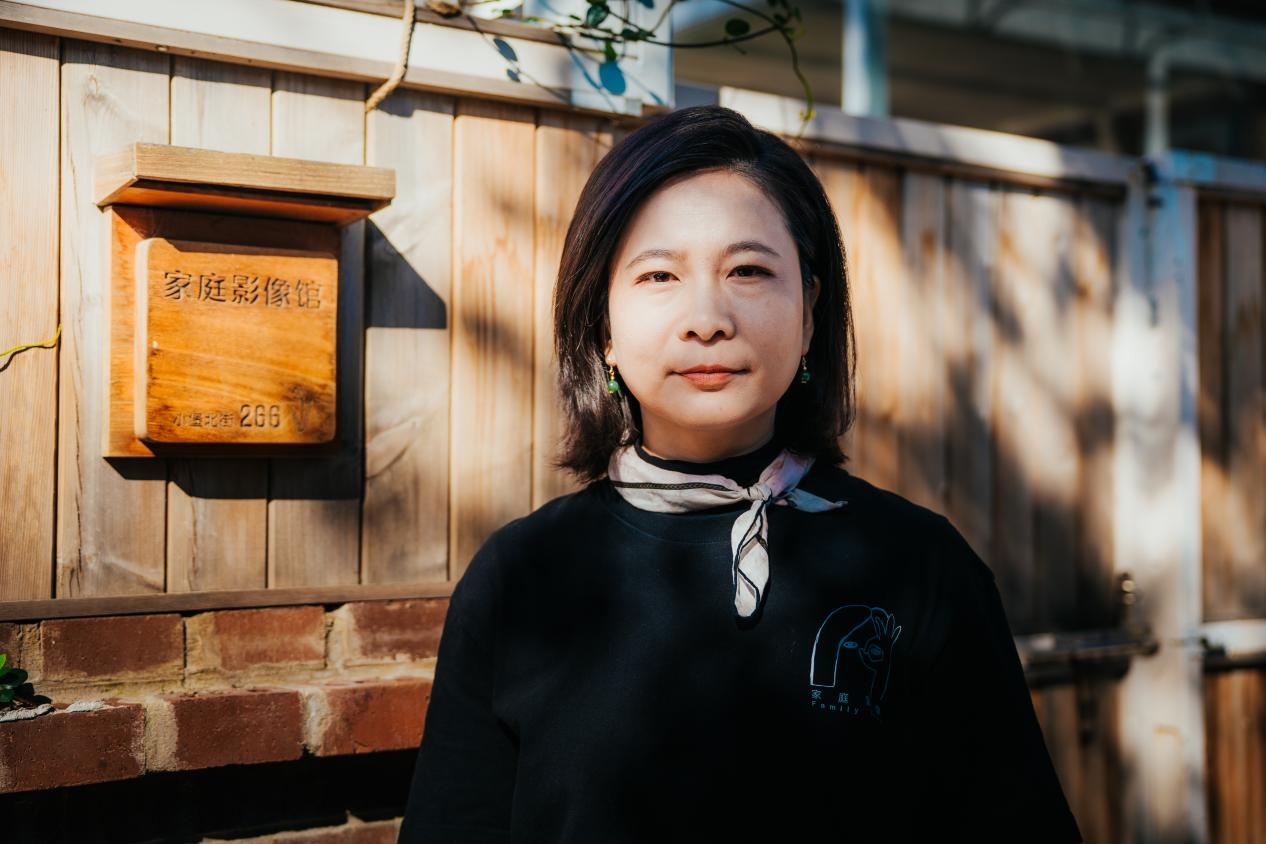
Gu Xue, founder and director of the FamilyLens International Film Festival
The 3rd FamilyLens International Film Festival, co-created with the global specialized provider of imaging solutions SmallRig, recently concluded. According to Gu Xue, founder and director of the FamilyLens International Film Festival, "I don't think family is a definition. It's a question of thinking, and the drive to explore." Speaking on SmallRig Onsite, Gu Xue explained FamilyLens through her mother's ID photos spanning 50 years.
When asked why she chose these photos, Gu Xue admitted: "These 20 IDs show a woman's evolution and her family's transformation - the footage's warmth made tangible through art."
Three exhibitions have documented countless family stories, expanding from home to society while exploring interpersonal dynamics. From "Turning the Camera on Oneself" to "Reconstructing Family Memories" to this year's "A Family by Any Other Name", our works are constantly innovating expressions.
To find the deepest driving force.
"How did you become who you are today?" Neither the host nor Gu Xue could believe this line came from a high schooler's FamilyLens work. In Kite, she bridges the gap with her father through footage, including his youthful tree-climbing photo with voiceover questions.
"In this photo you’re only two years older than I am now. Were you and mom still in love then? After I was born, you grew wearier with fewer smiles. Did we drift apart from that moment?"
Initially, the student's project simply documented family life. Guided by Gu Xue, she transformed it into a vehicle for self-expression. The camera became therapeutic—bridging the gap with her father while showcasing her creative voice through kids’ styling and scene design. This evolution underscores FamilyLens' power: beyond recording, it heals and connects.
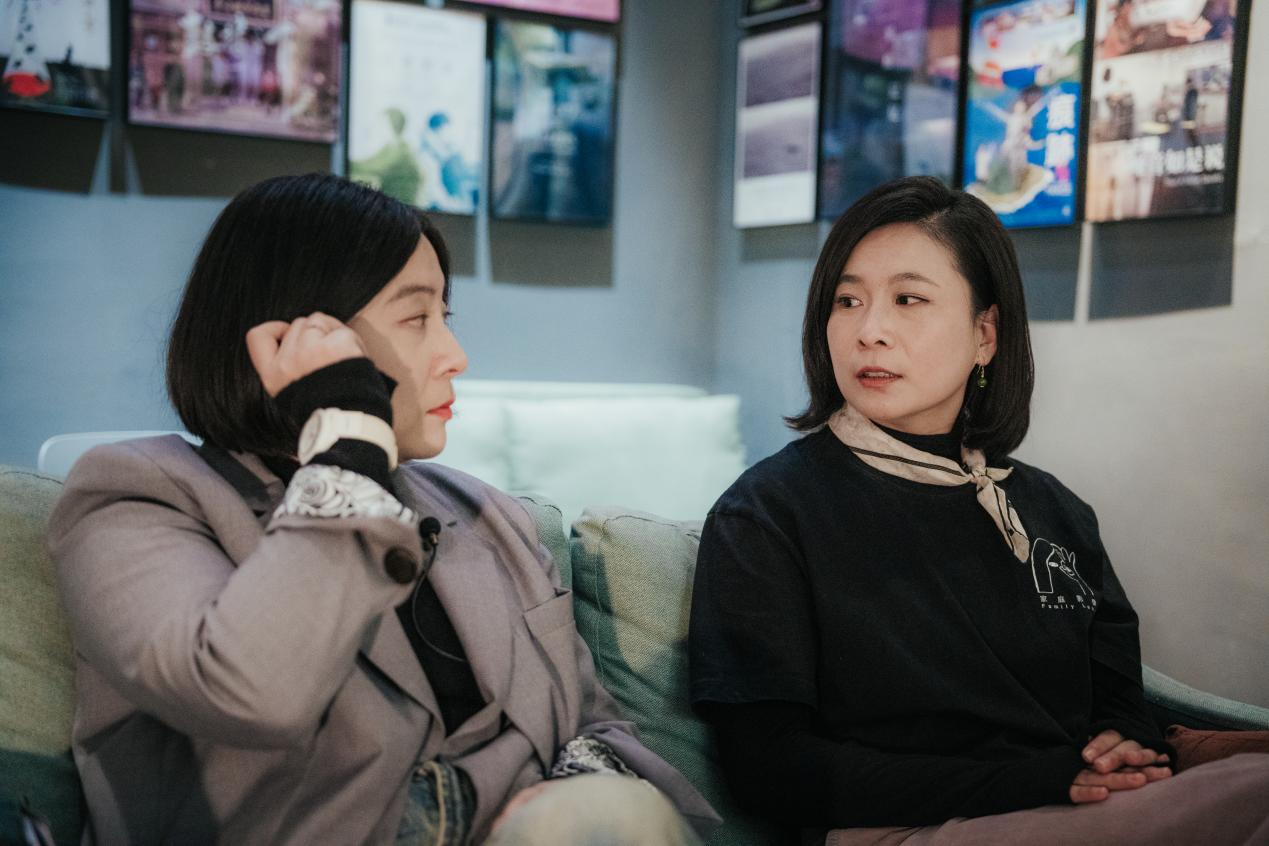
Gu Xue, founder and director of the FamilyLens International Film Festival, in Dialogue with SmallRig
FamilyLens becomes a platform that helps many reconnect with their families. Screenings spark unspoken conversations between families. The process creates new dialogues and objective emotional re-examinations. Somehow, warmth seems to flow through the screen.
Authentic Creation Springs from Self-Reflection
There's a work that greatly impressed Gu Xue. Breathing Through Stone. The creator had no filmmaking experience but raw sincerity. Her mom in the camera will cook in dreams, joking: "I recovered long ago. I'm just pretending to humor you all."
Back in the real world, she explained her simplest wish for her mother: "The family has been all about Mom for years. Yet her days are not decided by her own. I dream Mom dances. Not expecting miracles, but chasing that spark in our eyes."
During the conversation, Gu Xue noticed while her deepest bond was with mom, she also loved her dad deeply. When the mom is not sick, she is the bridge between her and the dad. But then her mom's illness forced a direct confrontation, with the camera clarifying her feelings day after day.
Karl Jaspers' Was ist Erziehung? (What is Education) defines education not as mere knowledge transfer: "a tree shaking a tree, a cloud to promote a cloud, a soul awakening another soul." That is also true when discussing creation. Gu Xue's FamilyLens builds communicative bridges for countless creators and their families and heals through tender stories.
When discussing FamilyLens' original story, Gu Xue explained, "I started filming family with a DV in high school, just to preserve memories. Later I studied film, and became a documentary filmmaker shooting family-related content. Soon, I made my single-take film 'The Choice' that explores life-and-death decisions."
But filming revealed how little she knew her family. The camera's transformative power gave her courage to communicate and companion through documentation.
Recently, Gu Xue has been filming A Marriage. In the process, she explores the origins of conflict through constant self-reflection and family dialogues. For example, the mother's resentment actually comes from her arranged marriage.
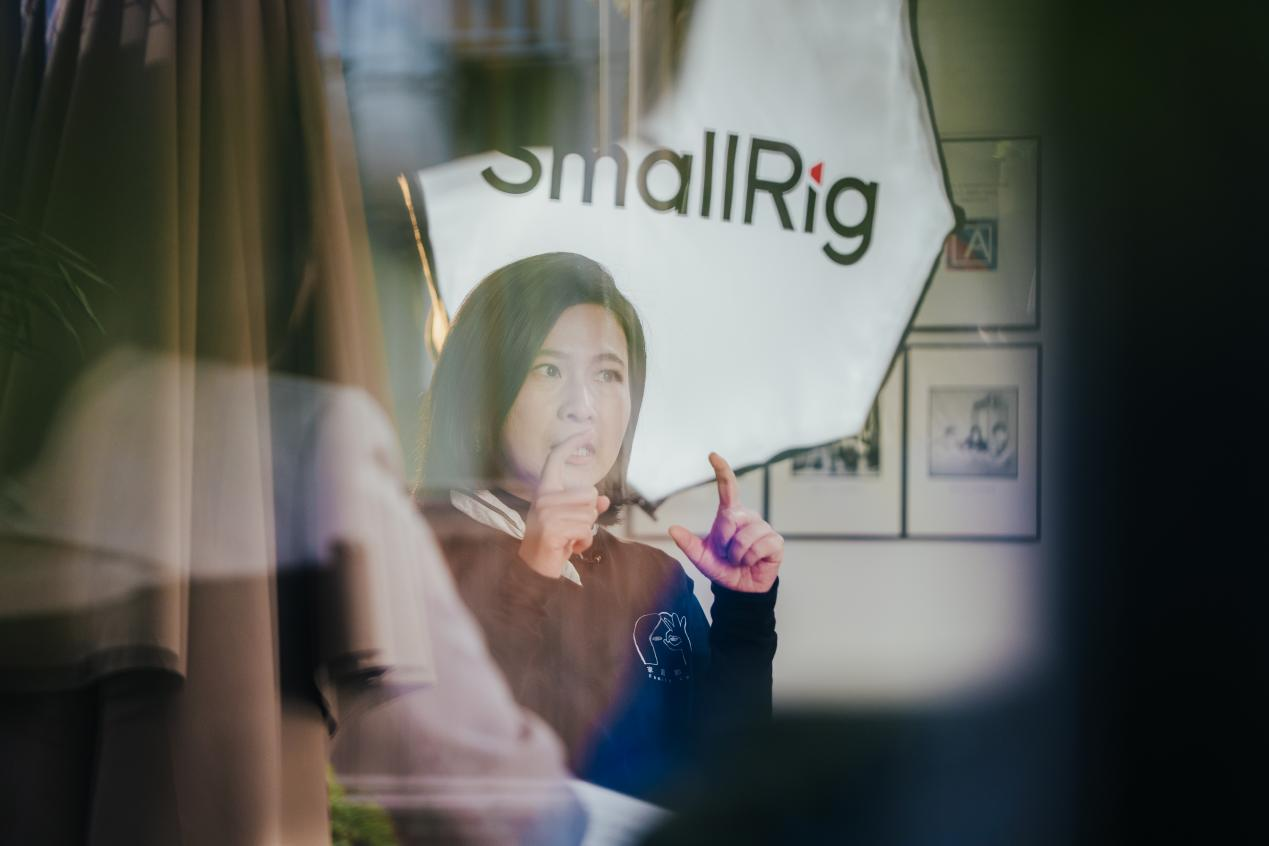
Gu Xue, founder and director of the FamilyLens International Film Festival, in Dialogue with SmallRig
Indeed, all families will experience strife, yet it is through the camera's lens that we can truly explore questions that were too difficult to voice. Gu Xue believes authentic creation comes from self-reflection: "Analyzing yourself makes you representative. Your honest realities become universal. Starting from self naturally expands horizons. Footage constantly breaks, questions and rebuilds possibilities."
How does FamilyLens balance expression and exposure?
There are two sides to every coin. Presenting familial conflicts objectively creates exposure dilemmas.
Take Huang Hui-Chen's Small Talk as an example. In the film, Huang Hui-Chen’s confrontation with her mother about childhood traumas finally led to their reconciliation through footage, which partly healed both of them. During a Q&A, someone asked: "Don’t you think your family shame should not be made public? The film would hurt your mother as well."
Then she replied: "Which is more ethical—never having a conversation with her, or confronting her honestly in a proper talk?" When the camera exists, it demands a meaningful dialogue—one we can’t escape from. Instead, after finishing the film and the screening, many people understood the Mom. Even her mother found her peace within. If the film is not taken, those feelings won’t be revealed." As a Douban user wrote: "The past isn't dirty, life's trials aren't shameful. They are free to be seen."
This is precisely the beauty of camera. Sometimes it’s gentle, but sometimes it’s as sharp as knives. When you pick up the camera to record the elders, you will feel very close to them. But sometimes, the camera can touch a very vulnerable, intimate, and even painful part of a person. In Gu Xue's view, everyone can make family films, but we must be clear about our intention, "When you feel stuck in your family relationships, try the camera. It could be a way."
The vast majority of people who joined the FamilyLens project are amateur video creators. There are common questions raised by the students. Gu Xue explained: "One of the questions is, will my family agree to be filmed?" The other question is, how do we film?"
Regarding the former, Gu Xue often advised, "Filming is not a task. It’s not result-oriented. To open the heart in the shooting is very challenging. So you are brave enough to take that decision." As for the latter, Gu Xue suggested that everyone take a step back and zoom out. "The camera has a cohesive magic. We can view society through the family lens. For example, when filming the Mom, you must capture the unarticulated realities that transcend her identity. There are different perspectives to show the mother's social relationships."
In any case, only by portraying subjects from multiple angles can filmmakers address broader social issues. As the director said: "No person, no family exists in a vacuum. One must exist in the structure of a country, society or even globalization. So a story is told within a context."
FamilyLens Reflects Its Era
Our first FamilyLens was under the theme of "Turning the Camera on Oneself”. As mentioned by creator Wenguang Wu: "Thinking of yourself as a methodology. From the early days of filming other people through documentaries, to turning the camera on myself, it was really a process of me exploring myself. In this way, other people entered naturally. When we think of ourselves as a methodology, we're not blindly looking for a subject."
Stereotypes reduce FamilyLens to domestic trivia. But its boundaries are vast. At the FamilyLens Exhibition, SmallRig, a pioneer in global evolution of imaging solutions, and FamilyLens launched the landmark FamilyLens Co-Creation Initiative. This program engaged creators and families worldwide in three key dimensions: product co-creation, work promotion, and content co-creation. The initiative not only made family documentary-making more accessible but also redefined domestic spaces as vital creative arenas for visual storytelling.
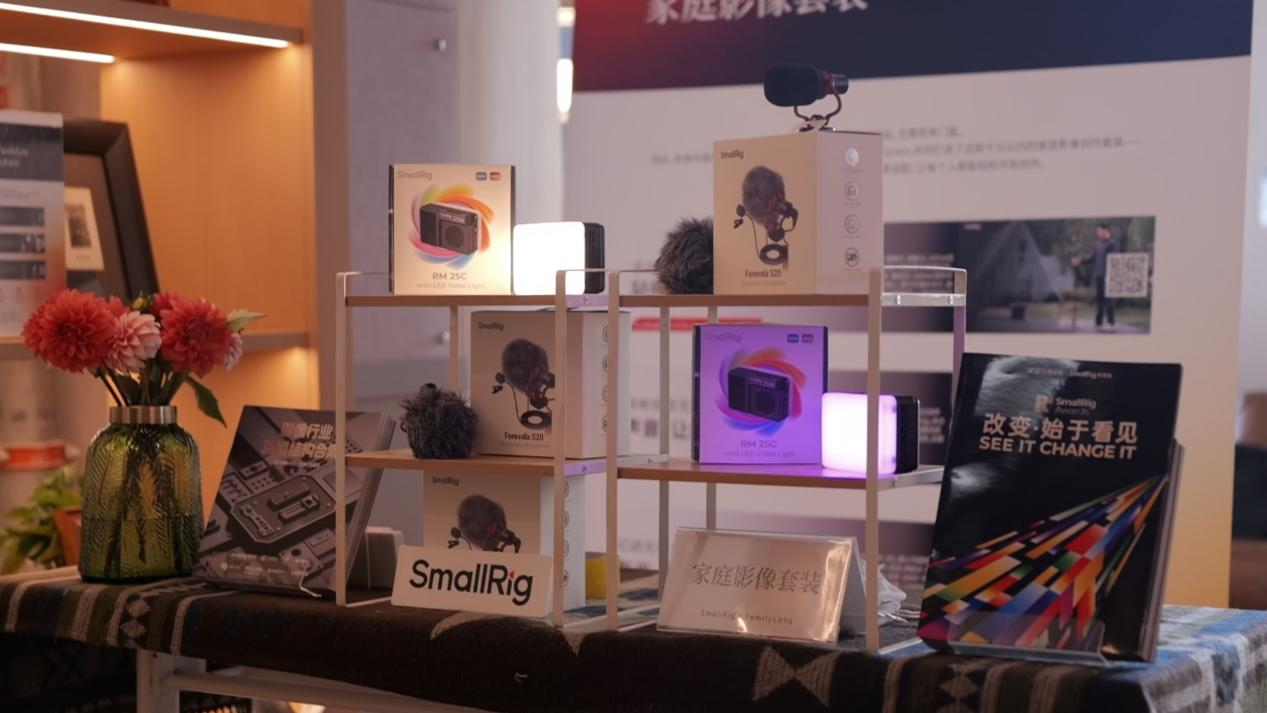
FamilyLens Co-Creation Initiative, A SmallRig × FamilyLens Partnership
Through the lens, we observe a rich tapestry of explorable themes: some creators trace their family histories, intricately connecting personal narratives to national and social developments; others examine gender discourse through intimate domestic perspectives; some focus their cameras on the displaced anxieties of elders in modern society; while younger participants articulate their generation's worldview through cinematic expression.
To address common pain points in family documentary production, SmallRig officially launched its Family Filmmaking Kit at the event. The kit includes a high-quality microphone, fill light, and a portable tripod. This tailored ensemble directly targets the essential technical requirements of household filming: premium audio capture, optimal illumination, and steady shot composition. Moreover, the partners co-created an interactive installation space, transforming conventional exhibition dynamics from passive viewing to active participation. This immersive environment repositions audiences as questioners, recorders, and co-creators,thereby enabling full experiential engagement with the filmmaking process.
As the information saturation of our digital age creates existential uncertainty, people are unsure about their life paths due to many societal standards. The solution lies in returning to family origins to rediscover our place in the world. And FamilyLens facilitates this honest self-examination.
Keep Reading
 A Photographer Is a Director | ONSITE: Li Fan Talks With SmallRig
 Master Class - Chao Cewei
 Meet Thomas Chu | SmallRig On-site