
Search smallrig.com...


Master Class - Uli Gaulke
MASTER CLASS 2025-08-21 20:22:17
AI in Documentary Films Commercial and Fiction
Master Class - Uli Gaulke
Documentary Director, Winner of Best Documentary at the Lola Awards
Professor at the University of Hong Kong Journalism and Media Studies Centre
"I started making films back in 1995, even before I switched from computer science. So I've always had both skills, which now come together perfectly in our new AI projects. My background in computer science, along with hands-on experience in documentary filmmaking, allows me to bridge these two worlds."
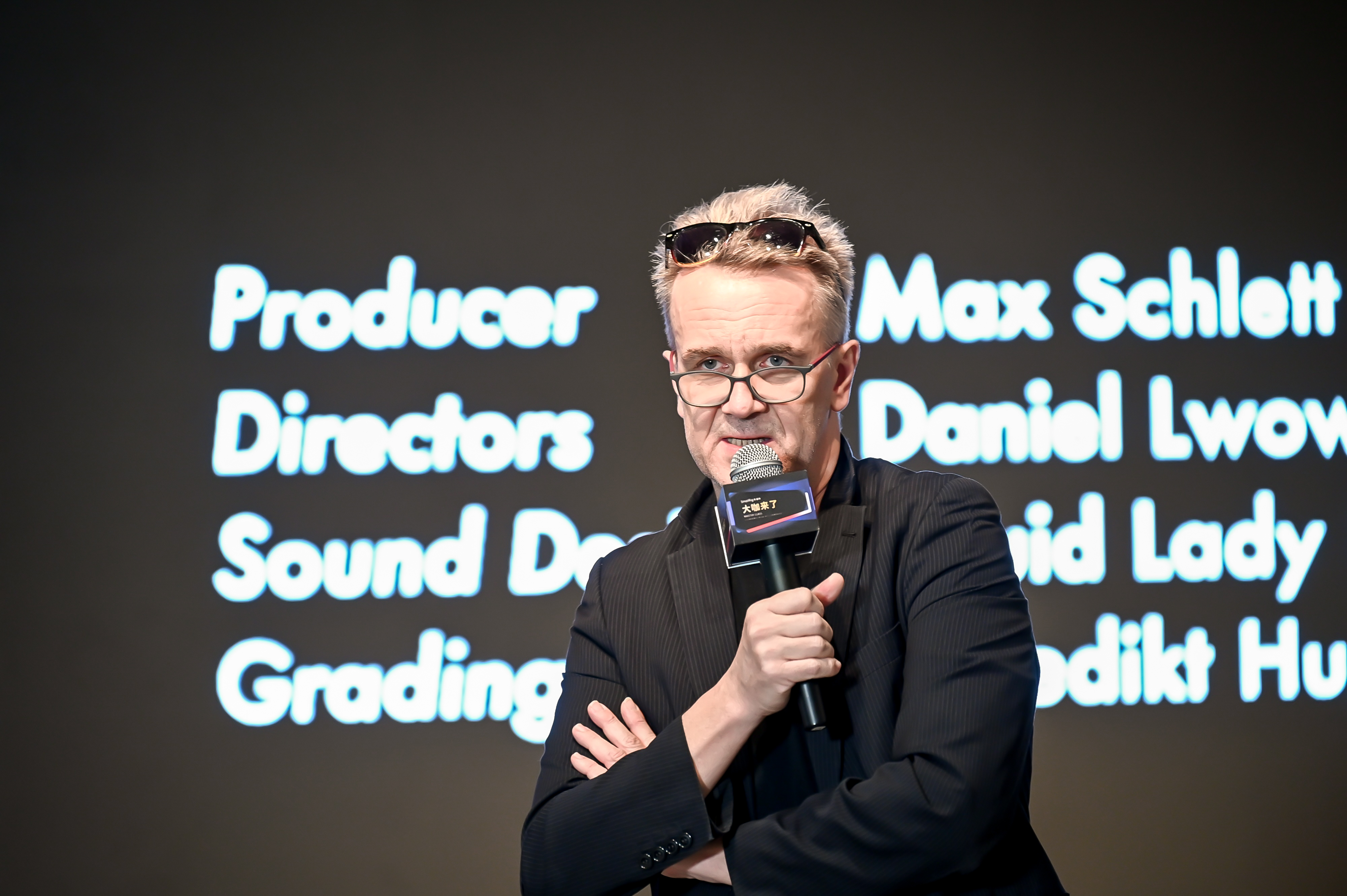
Uli introduced a generative AI education initiative launched by HKU's GMSC, saying, "The new agenda at GMSC focuses on generative AI and visual storytelling. AI is a powerful tool for visual narratives. People can now use it to create videos, voices, and even music. That's exactly what we're integrating into our documentary work."
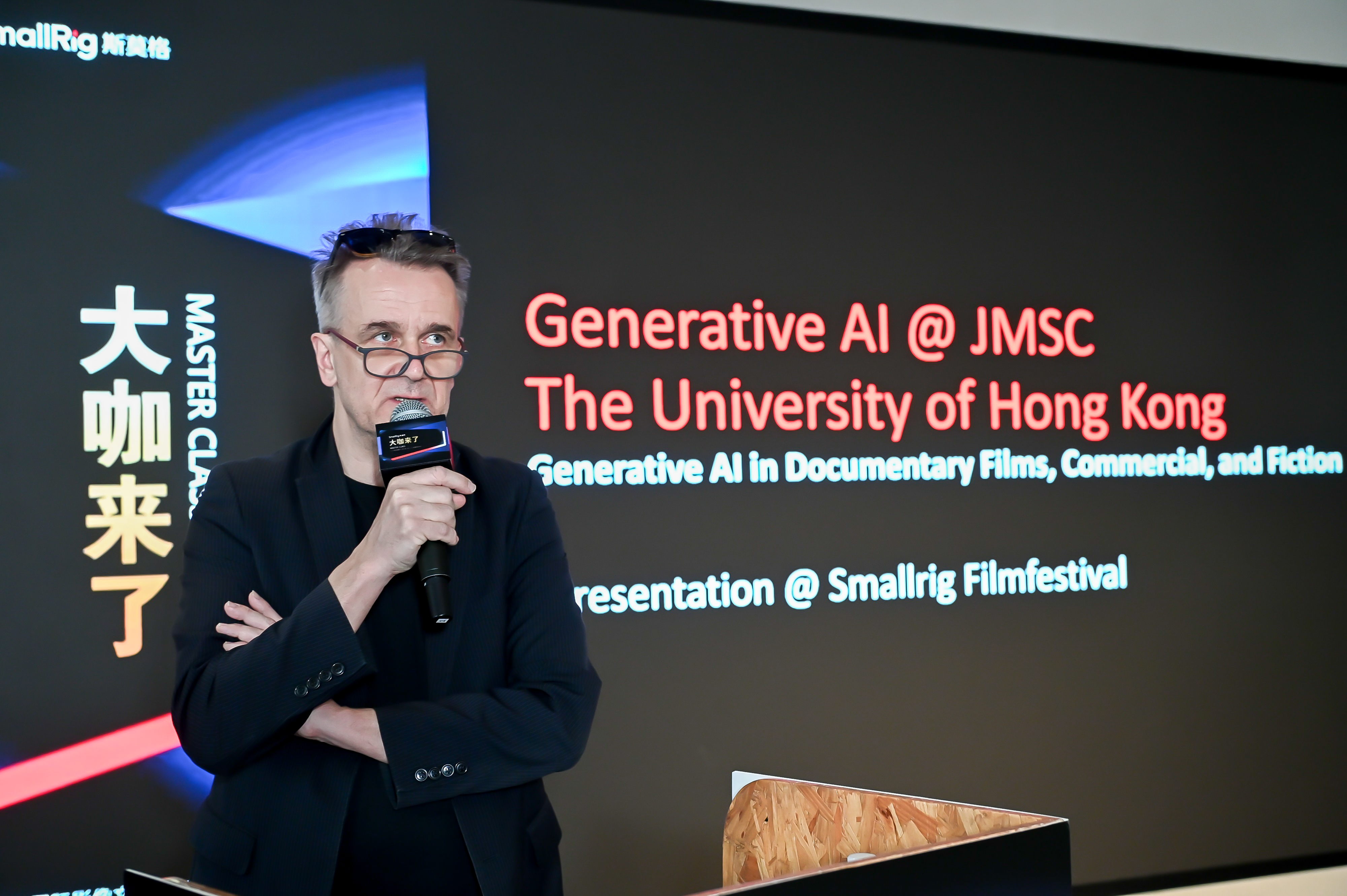
He walked the audience through the AI filmmaking process:
"First, students need to come up with a story. They can use tools like ChatGPT or DeepSeek to help create the narrative. We're still teaching the basics of traditional storytelling, but we also encourage students to use ChatGPT as a creative partner to brainstorm and build their ideas. That's the first thing. After shaping the concept, they need to write a script — just like in a real film production — with scene descriptions, character actions, and dialogue."
"The second step is character development and story scripting. Right now, there are a few apps on the market that can help integrate the middle phases of story scripting, plot progression, and image creation into a single tool. These apps can be used effectively for making storyboards, not just generating images."
"Making a video is a gradual process. It takes time to build everything step by step. You need to select your best scenes, organize them into a folder, and really pay attention to camera movement and framing. The biggest challenge in the creative process lies in shaping the characters and building the story's context. When the narrative stays consistent, the AI-generated results feel much more authentic."
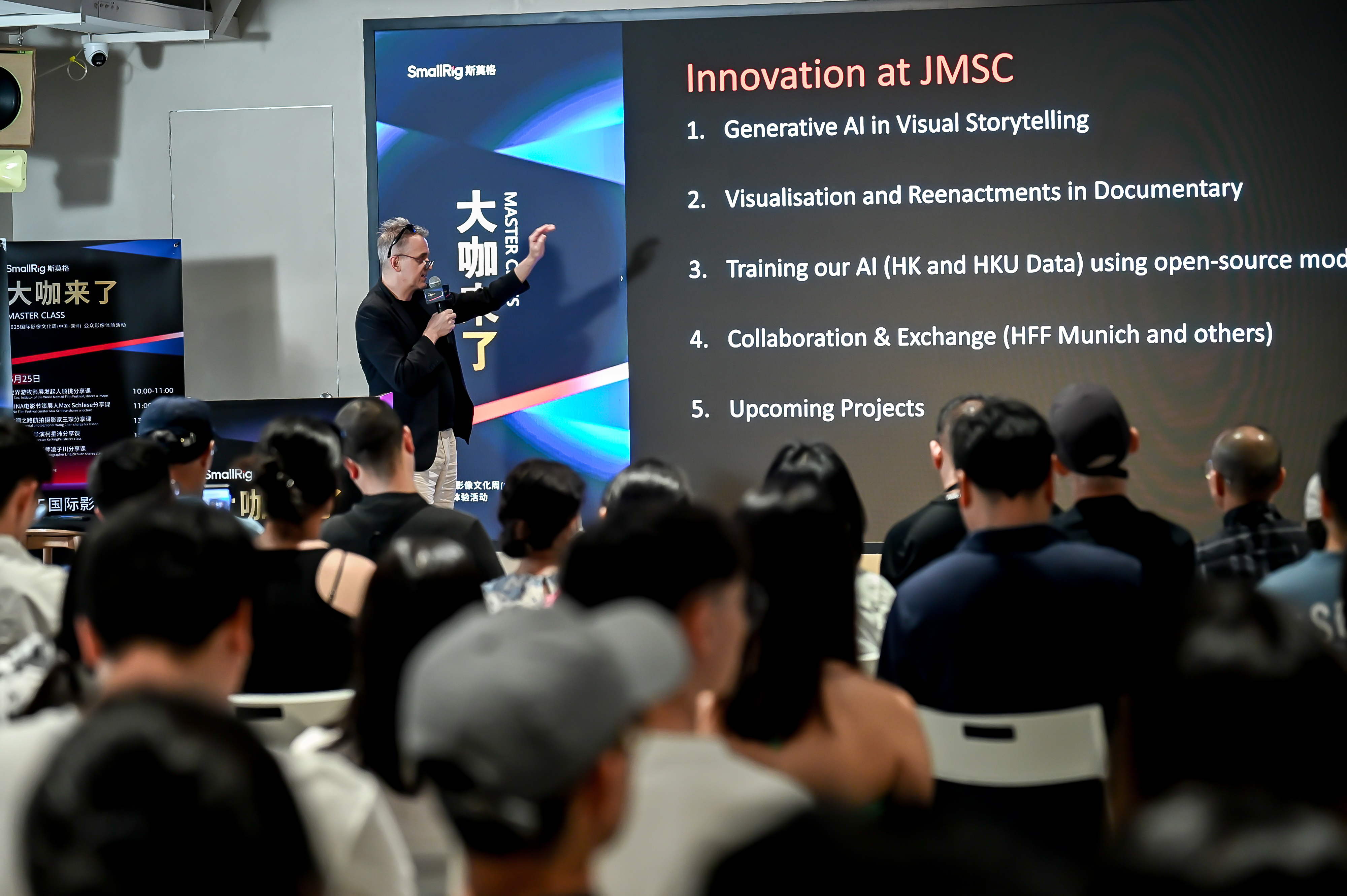
"Today, if you want to tell a story, you can use AI tools to bring it to life. Of course, it has its pros and cons. As a filmmaker, how responsibly you use AI really depends on you."
For more information, please visit
Keep Reading
 Xi Zhinong: Being Present Is a Photographer's Duty
 Master Class - Max Schleser
 The 14th International Smartphone Film Festival is co-presented by SmallRig, a global leader in innovative imaging solutions.