
Search smallrig.com...


Parabolic vs Rectangular vs Lantern Softbox: Which Light Is Best?
SmallRig 2026-02-03 03:52:41
Contents
The right softbox can make or break your portrait photography lighting setup. Rectangular softboxes offer controlled, directional light that's perfect for classic portraits. Parabolic softboxes deliver focused, sculpted illumination ideal for high-end fashion work. Lantern softboxes spread 360-degree soft light that works great for groups. Each type shines in different situations, and understanding these differences will help you pick the best photography softbox for your needs.
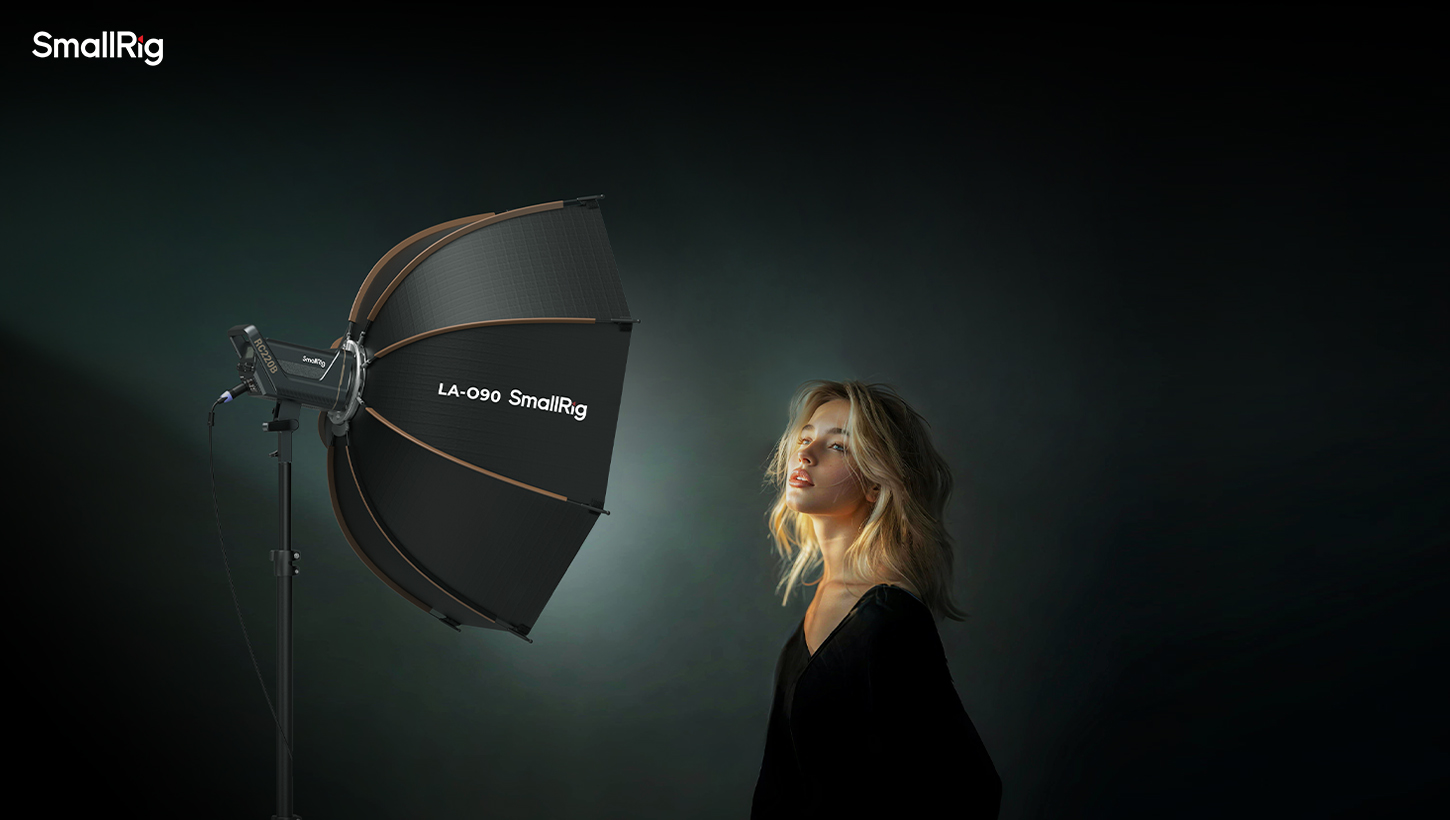
What Makes Each Softbox Light Different?
Choosing the right softbox lighting starts with knowing how each type actually works. The shape isn't just about looks—it fundamentally changes how light hits your subject and the mood you can create.
Comparison Table
| Feature | Rectangular Softbox | Parabolic Softbox | Lantern Softbox |
| Light Distribution | Directional and controllable | Focused with hot center | 360-degree omnidirectional |
| Light Falloff | Gradual edge-to-edge | Rapid edge falloff | Even, gentle falloff |
| Best Scenarios | Standard portraits, products | Fashion, beauty, commercial | Group shots, environmental portraits |
| Size Options | Wide range for any distance | Medium to large, depth matters | Small to medium, height affects coverage |
| Light Quality | Soft with clear direction | Dimensional with depth | Ultra-soft, no clear direction |
| Advantages | Versatile, easy control, affordable | Premium quality, defined contours | Fast setup, natural feel, great for multiple subjects |
| Limitations | Can look flat | Expensive, bulky, complex setup | Hard to control spill, not ideal for solo detailed work |
Here's what really matters: rectangular softboxes give you the most control over where your light goes. Parabolic softboxes create that "magazine cover" look with beautiful shadow transitions. Lantern softboxes fill a room quickly and make lighting groups a breeze. Your choice depends on what you shoot most.
How Should You Choose a Softbox for Portrait Photography Lighting?
Your shooting style and typical subjects should drive your decision. Let's match each softbox type to real-world scenarios you'll actually encounter.
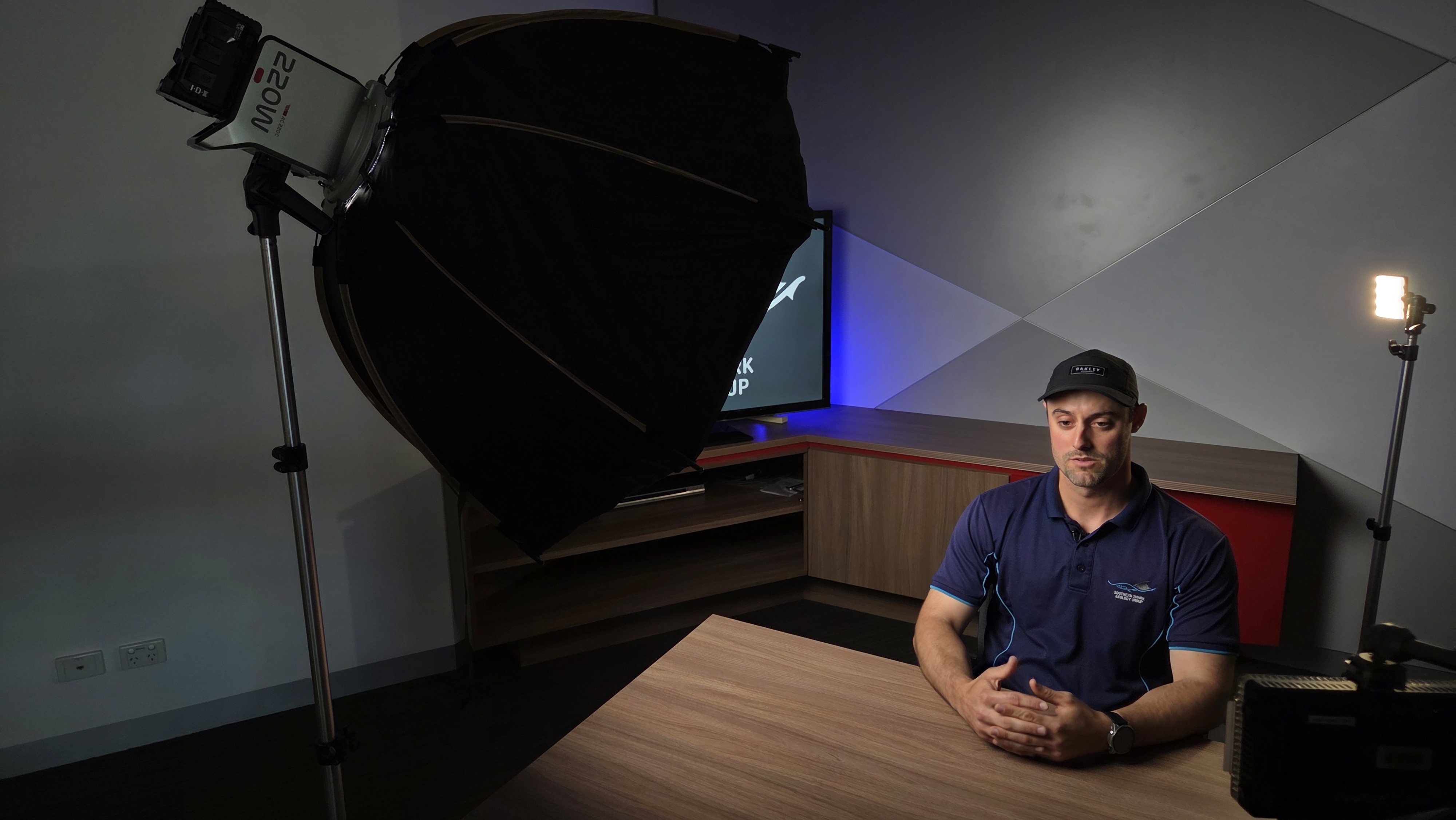
Matching Light Quality to Style
Think about the portraits you want to create. Shooting corporate headshots? A rectangular softbox light gives you clean, professional results every time. Working on beauty campaigns? Go parabolic for that sculpted, dimensional look. Photographing families? A lantern softbox keeps everyone evenly lit without hot spots.
If you’re shooting paid work, consider standardizing on a reliable light-shaping lineup (for example, SmallRig softboxes and accessories) so your results stay consistent from shoot to shoot.
Subject Count Considerations
Single subjects need different treatment from groups. One person benefits from the precise control of rectangular or parabolic options—you can shape exactly where shadows fall. Multiple people? That's where lantern softboxes really deliver. They spread light so evenly that you won't get one person bright and another in shadow.
Budget Reality Check
Let's talk money. Rectangular softboxes typically run about $60-$200+ depending on brand and whether it’s a quick-release design. Parabolic models often start around the low hundreds and can climb well beyond that for larger or premium systems. Lanterns fall somewhere in the middle at prices that vary widely by size, mount, and whether a skirt is included. If you're just starting with photography softbox lighting, a rectangular model gives you the best value and learning curve.
What About Portability and Setup for Your Softbox Lighting?
Location photographers need gear that moves easily, while studio shooters can prioritize performance over portability. Here's how each softbox type stacks up when you're on the move.
Assembly Complexity
Speed matters when you're on location. Rectangular softboxes with modern quick-release systems take a couple of minutes or less for many umbrella-style designs. Parabolic softboxes? Plan on a few minutes—deeper shapes and more structure usually take longer. Lantern softboxes are the speed champions, often popping open in a few seconds.
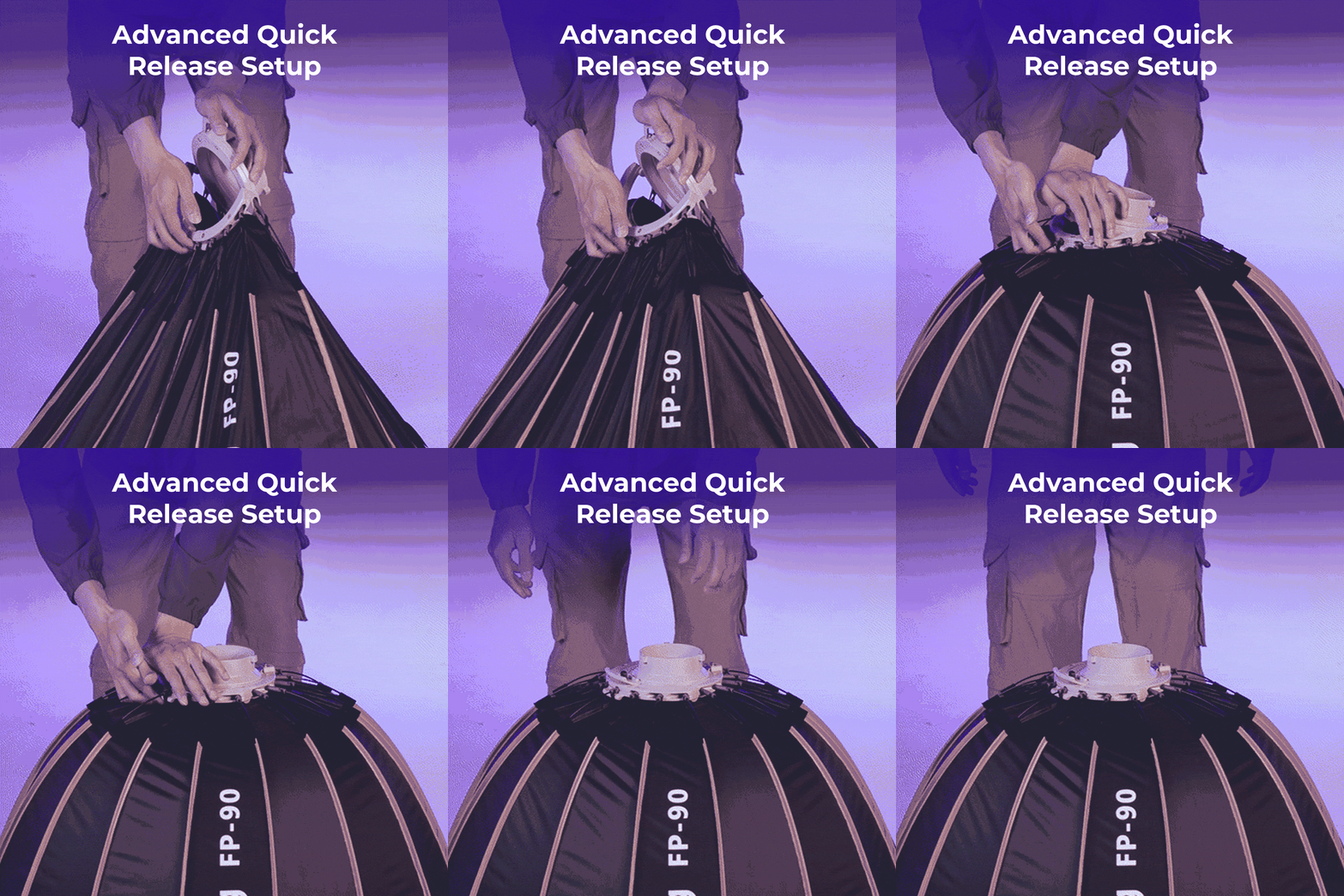
Weight and Transport
Your back will thank you for considering this. A 36-inch rectangular softbox weighs a lot, varying by build and mount—many land in the “a few pounds” range. Parabolic models of similar output can feel much heavier because the deeper frame and rods add bulk. Lanterns stay relatively light but can be bulky when collapsed. If you're moving between locations daily, weight becomes a real factor.
Studio vs Location Work
Studio shooters can go big and heavy—a massive parabolic softbox on a sturdy stand creates incredible light. Location photographers need to think portable. A collapsed rectangular softbox fits in most car trunks easily. Parabolic options can be tough to transport. Lanterns fold flat but take up trunk space. Match your gear to where you actually shoot.
Can You Mix Different Softbox Light Types Together?
Using multiple softboxes in one setup isn't just possible—it's how professionals create their signature looks. Combining different types gives you more creative control than any single light source can provide.
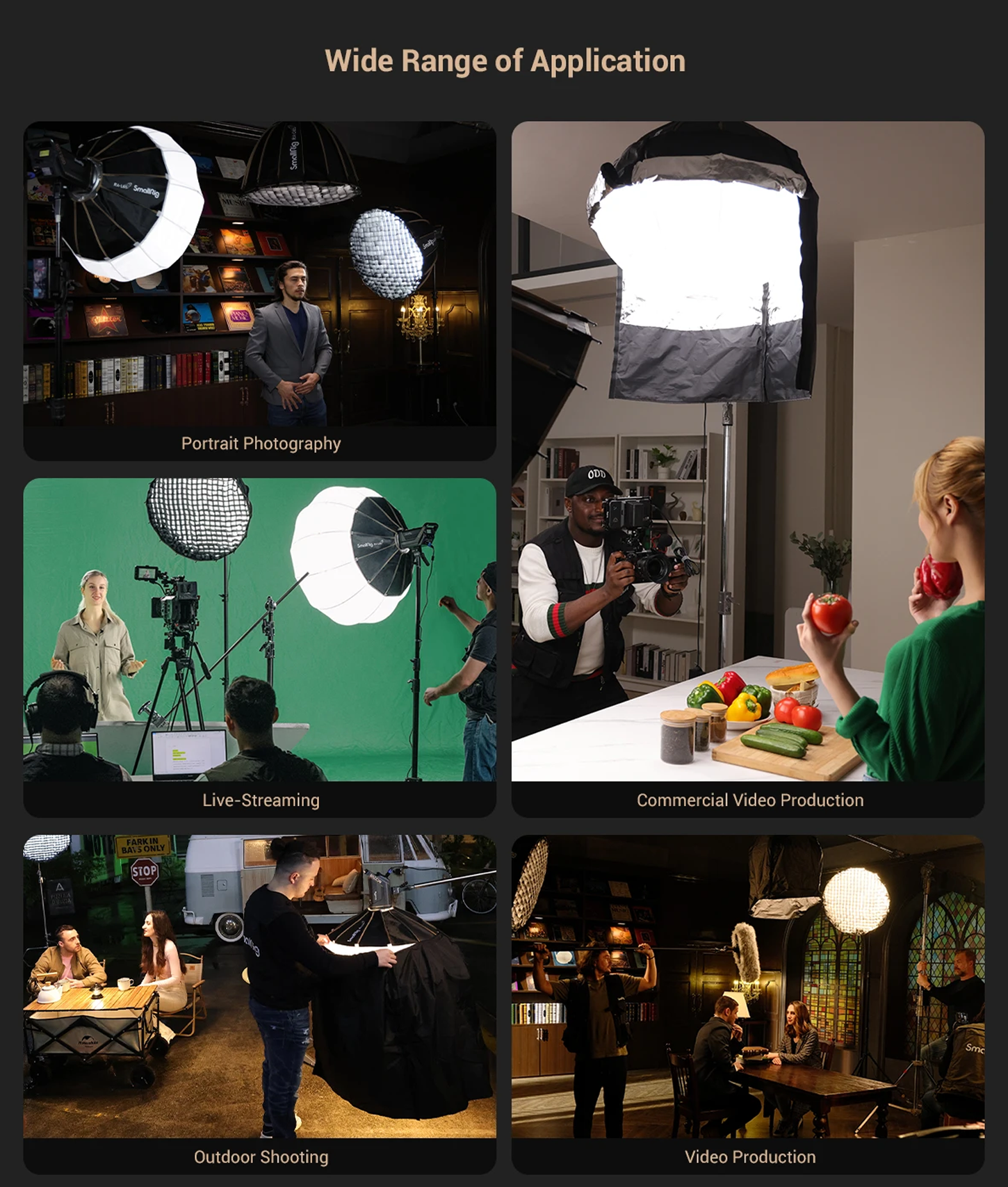
Combined Lighting Strategies
Here's where things get creative. Use a parabolic as your main light for that sculpted look, then add a rectangular softbox for fill. This combination gives you professional-level control. Or try a lantern overhead for ambient fill while a rectangular light provides your key light from the side. Mixing types isn't just allowed—it's how pros create signature looks.
Key and Fill Approaches
The classic setup uses your most directional softbox (rectangular or parabolic) as the key light—that's your main source. Then add a lantern or a second rectangular at lower power for fill. This layered approach gives you both dimension and detail. Start with your key at full power, then bring in fill at maybe a noticeably lower level (exact ratios depend on contrast goals and ambient light) until shadows look right.
Creative Multi-Light Setups
Want to push further? Try a lantern for overall ambiance, a parabolic for face detail, and a small rectangular for hair light. Yes, that's three softboxes, but each serves a specific purpose. This kind of setup takes practice, but once you nail it, you'll create images that stand out. Just remember: start simple and add complexity as you learn what each light contributes.
FAQ
Q1: What’s the Actual Difference Between Cheap and Expensive Photography Softboxes?
Build quality makes a huge difference. Cheaper softboxes often use thin diffusion fabric that creates hot spots and uneven light. The frames bend or break after a few uses. Expensive models have double-diffused panels, sturdy construction, and better light distribution. That said, mid-range options around the low-to-mid hundreds often give you 90% of the quality at half the price of premium gear. For most photographers, spending around $100-$200 on a solid rectangular softbox beats buying three budget versions that fall apart.
Q2: Do Softbox Sizes Follow Any Standard Rules I Should Know?
Bigger isn't always better, but there's a useful guideline: your softbox should be at least as large as your subject for soft light. For headshots, a roughly 2x3 ft (about 24x36-inch) works great. Full-body portraits? Go larger (for example, around 3x4 ft / 36x48-inch) or bigger. The distance matters too—place a softbox closer for softer light and faster falloff, farther for more coverage and a harder look. A roughly 3 ft-class softbox often works well several feet away. Closer gives you softer light but less coverage, farther gives you harder shadows.
Q3: Can I Use Softboxes With Speedlights or Just Studio Strobes?
Absolutely, use speedlights with softboxes. You'll need a speedlight bracket adapter, which costs about $17-$25 for common Bowens-style brackets. The limitation is power—a speedlight puts out roughly 60–100 watt-seconds, while many studio strobes are around 300–1,250 watt-seconds, so you may need higher ISOs or wider apertures. For small to medium softboxes, speedlights work fine. Trying to push light through a huge parabolic softbox with just a speedlight? That's tough. Two speedlights together solve this problem pretty well for most portrait photography lighting situations.
Conclusion
Your perfect softbox light depends on what you shoot and how you work. Start with one type that matches your primary work, learn it completely, then expand your collection as your style develops. Ready to upgrade your lighting? Pick the softbox that fits your most common shooting situation—that's where you'll see the biggest improvement in your images right away.
If you want a straightforward upgrade path, browse SmallRig’s lighting accessories and softbox options to build a clean, compatible setup that scales from solo portraits to full multi-light shoots.
Keep Reading
 Best Portable Lighting Setup for Solo Content Creators
 Review: SmallRig RF 20C Portable Zoom Light
 Why You Need a Video Light: A Complete Guide for Content Creators