
Search smallrig.com...


Shooting Guide for World Forest Day | Freeze the Tenderness and Power of the Forest with Your Lens
SmallRig 2026-03-20 01:13:52
Contents
Every March 21st marks World Forest Day, a day established by the United Nations. As photographers, we can capture the light, shadow, shape and color of the forest with our lenses, freezing the tenderness and power of the forest in frames.
Forest Shooting Themes: Give Your Forest Photos Meaning and Attitude
A forest is not just a collection of trees, but an encyclopedia of life. You can witness the cooperation and competition of life, completing cycles time and time again in the most soothing way. Therefore, shooting the forest is not just a record of images, but an interpretation of life.
-
Be patient when shooting birds, insects and small animals in the forest. Remember to keep a distance and not disturb them. There’s no need to pursue rare species—ordinary sparrows, butterflies and ants can all reflect the vitality of the ecosystem.
-
Shoot the details of epiphytes (such as moss and orchids) attached to tree trunks, or the scenes of fungi growing from dead wood. Use a macro lens to capture the delicate texture of "symbiotic harmony".
-
Contrast can create impact. You can shoot the contrast between the panoramic view of the forest and urban high-rises to highlight the importance of forests to cities; or shoot the vigorous old trees and tender new seedlings in the same frame to reflect the "inheritance" and vitality of the forest. If you have patience, you can also shoot the forest in spring, summer, autumn and winter at the same shooting spot, make a group of photos to show the beauty of the forest in four seasons and express the passage of time.
Forest Shooting Tips: Beauty is the True Nature of the Forest
The core of forest shooting is "using light properly, choosing the right lens and composing well". The following tips are combined with practical scenarios—no need for complex equipment, these tips work for smartphones, and will help camera users capture truly stunning shots!
-
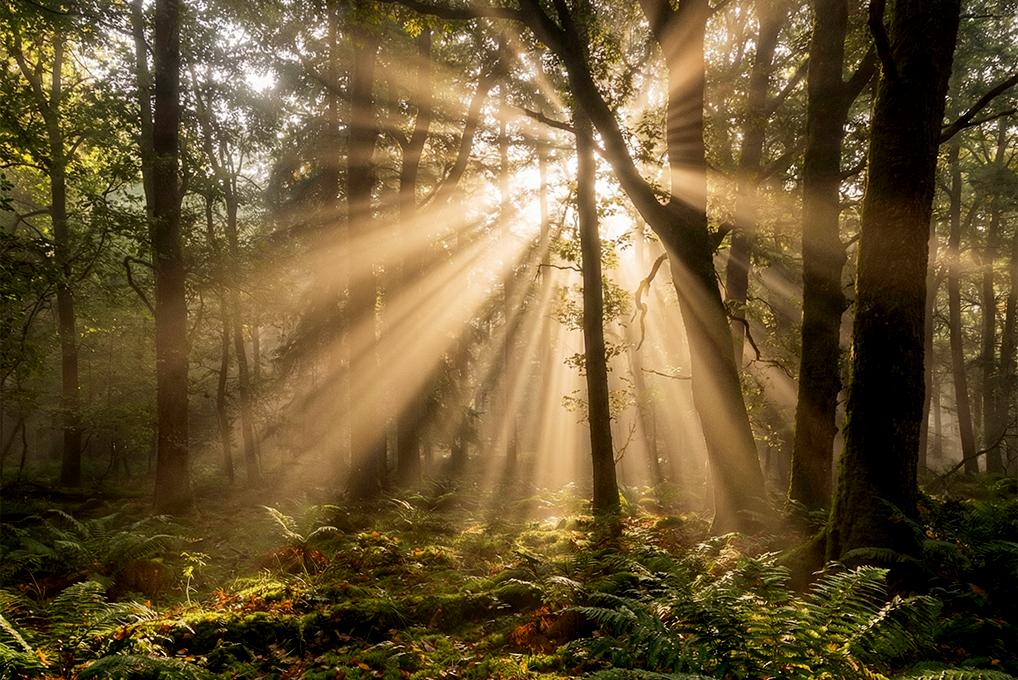
Forest Morning Mist/Tyndall Effect: This is one of the most photogenic scenes in the forest. In the early morning, the mist shrouds the forest, and the sunlight penetrates the mist to form light pillars, which are full of atmosphere and suitable for shooting long shots or medium shots.
-
Seasonal Changes: Focus on contrasting the tender green of spring with the golden yellow of autumn. March 21st is just in spring, so prioritize shooting the transparency of new leaves; if you have autumn materials from previous years, you can make contrast group photos to highlight the beauty of the forest in four seasons.
-
Geometric Light and Shadow of Tree Trunks: Use the shadows of tree trunks formed by light to shoot abstract geometric lines, which are suitable for black and white photography—simple and high-end. The strong noon light is more likely to create distinct contrast effects.
-
The Beauty of Details Such as Moss and Ferns: The "small corners" in the forest often hide surprises. The delicacy of moss and the stretch of ferns can be shot with a macro lens to capture a unique microscopic aesthetics.
Forest Shooting Composition Guide: Break Monotony and Make the Picture More Storytelling
-
Leading Line Composition: Use the lines of forest paths and tree trunks to guide the audience's sight and make the picture more dimensional. For example, shoot a winding path extending deep into the forest.
-
Symmetrical Composition: Look for symmetrical tree arrangements and stream reflections to create a symmetrical beauty, which is suitable for shooting streams in the early morning and neat artificial forests.
-
Rule of Thirds: Divide the picture into three equal parts and place the subject (such as trees, people, streams) at the intersection or on the dividing lines to avoid a rigid picture. For example, the sky, forest and ground each account for one-third.
-
Repetition and Rhythm: Use the vertical lines of tree trunks and the arrangement of leaves to create a sense of rhythm in the picture, which is suitable for shooting dense forests—simple and high-end.
Recommended Forest Shooting Equipment
-
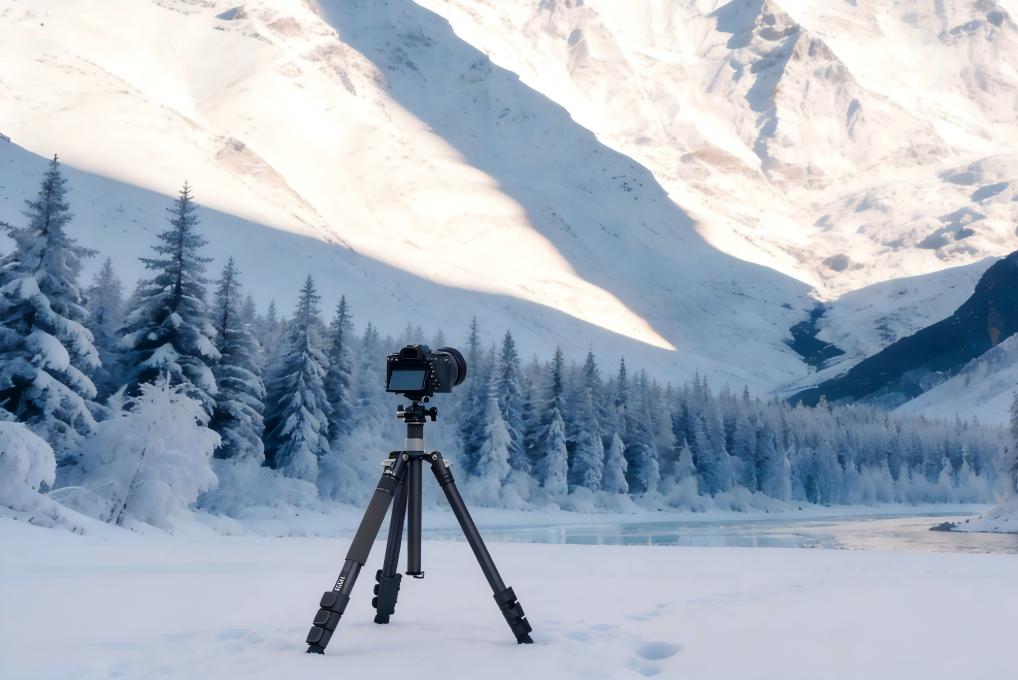
A tripod is a must for forest shooting, especially for long exposure and panoramic shooting. The SmallRig "Stalite" AP-21 Portable Video Photo Tripod only weighs 1.74kg, so it’s completely burden-free to carry while hiking into the mountains. It supports inverted center column—when shooting ground moss, mushrooms and low-growing flowers and plants, you don't have to struggle to squat and hold your camera at a low angle.

-
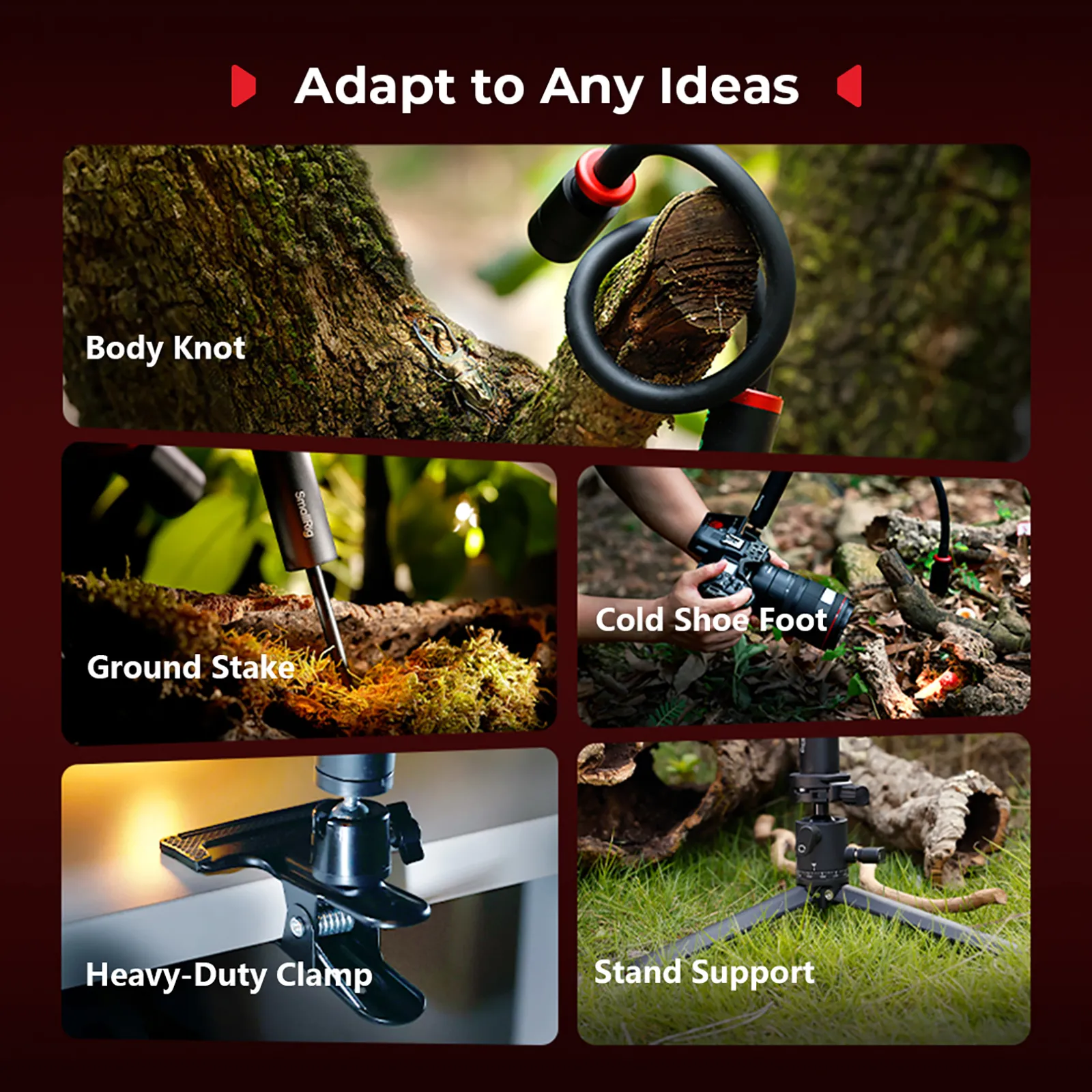
The light under the shade of trees is relatively dark, so supplementary light is very necessary when shooting macros. Here, we strongly recommend the RM 03 Macro Photo LED Light. It is very portable and can be easily put into a backpack. It has a variety of mounting accessories, such as ground stakes, cold shoes and clips—you can quickly insert it into the soil to shoot ground mushrooms. This fill light can also be bent freely, wrapped around branches to illuminate moss, and adjusted to any lighting angle, which is quite convenient.
-
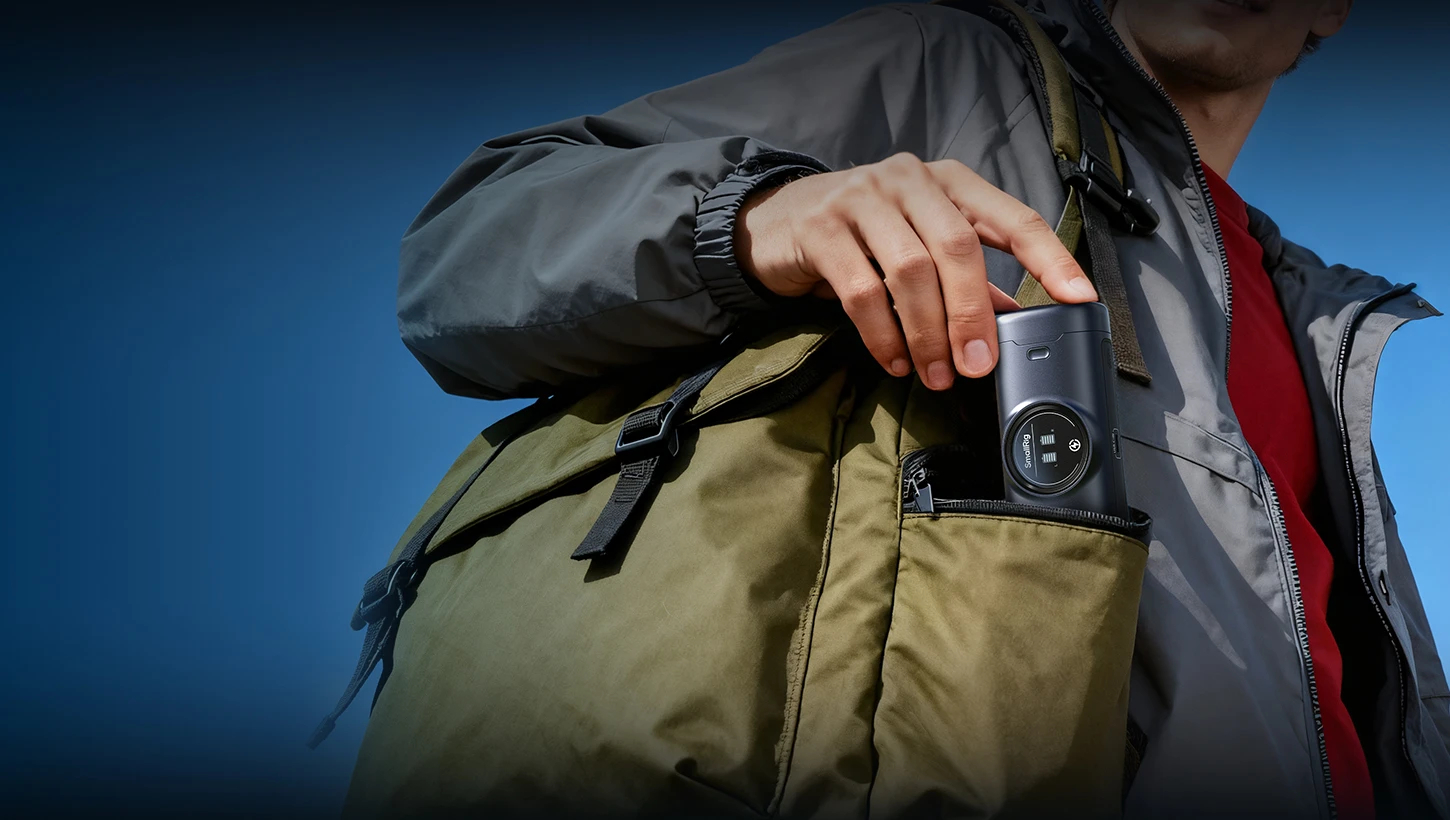
Cameras (and their GPS functions) consume power very quickly in the forest, and the 2 Batteries Sealed Case Charger Kit 18W Fast Charge is your lifesaver. It is compatible with several commonly used models: Sony NP-FZ100, Canon LP-E6P and Nikon EN-EL15c. It is also very portable, and the sealed case design can prevent dust and slight collisions—you no longer have to worry about running out of power halfway through shooting.
- If needed, you can also bring a polarizing filter (CPL), ND filter, memory card, lens cloth, etc., to deal with various unexpected shooting situations. For more outdoor shooting equipment, feel free to visit our spring promotion venue!
Conclusion
Shooting on World Forest Day is never about pursuing "perfect shots", but about recording the beauty of the forest with your lens. Whether you use a professional camera or a mobile phone, whether you are a novice or a senior photographer, as long as you shoot with a sense of awe, feel the tenderness and power of the forest, every photo has its meaning.
Finally, remember that the premise of shooting is protection—when entering the forest, always keep a sense of awe. Do not step on seedlings, pick flowers and plants, catch wild animals, leave any garbage, or destroy the original environment of the forest. While capturing the beauty of the forest with your lens, may we all become guardians of the forest, so that this greenery and vitality can last forever.
Keep Reading
 Best Portable Lighting Setup for Solo Content Creators
 From Bare Phone to Pro Rig: The Complete Setup Guide for SmallRig × Brandon Li
 Best Travel Tripods 2026: Carbon Fiber vs Aluminum — Which Should You Choose?