
Search smallrig.com...


V Mount vs. Gold Mount: Which Battery System is Right for Your Camera Rig?
SmallRig 2026-01-21 04:24:28
Contents
Picking between V Mount and Gold-Mount comes down to what gear you're running and how you shoot. V Mount batteries have taken over the market because they work with almost everything, cost less, and you can find them anywhere. Gold-Mount still holds ground in high-end broadcast work, but for most shooters—whether you're doing weddings, YouTube content, or indie films—V Mount gives you the best bang for your buck. Let's break down what actually matters when you're choosing a camera battery system.
What Are the Key Differences Between V-Mount and Gold-Mount Battery Systems?
These two systems have been used side by side in professional video production for decades, and they're both professional-grade power solutions. The real question isn't which one's "better"—it's which one fits your workflow.
V Mount Battery Design and Standards
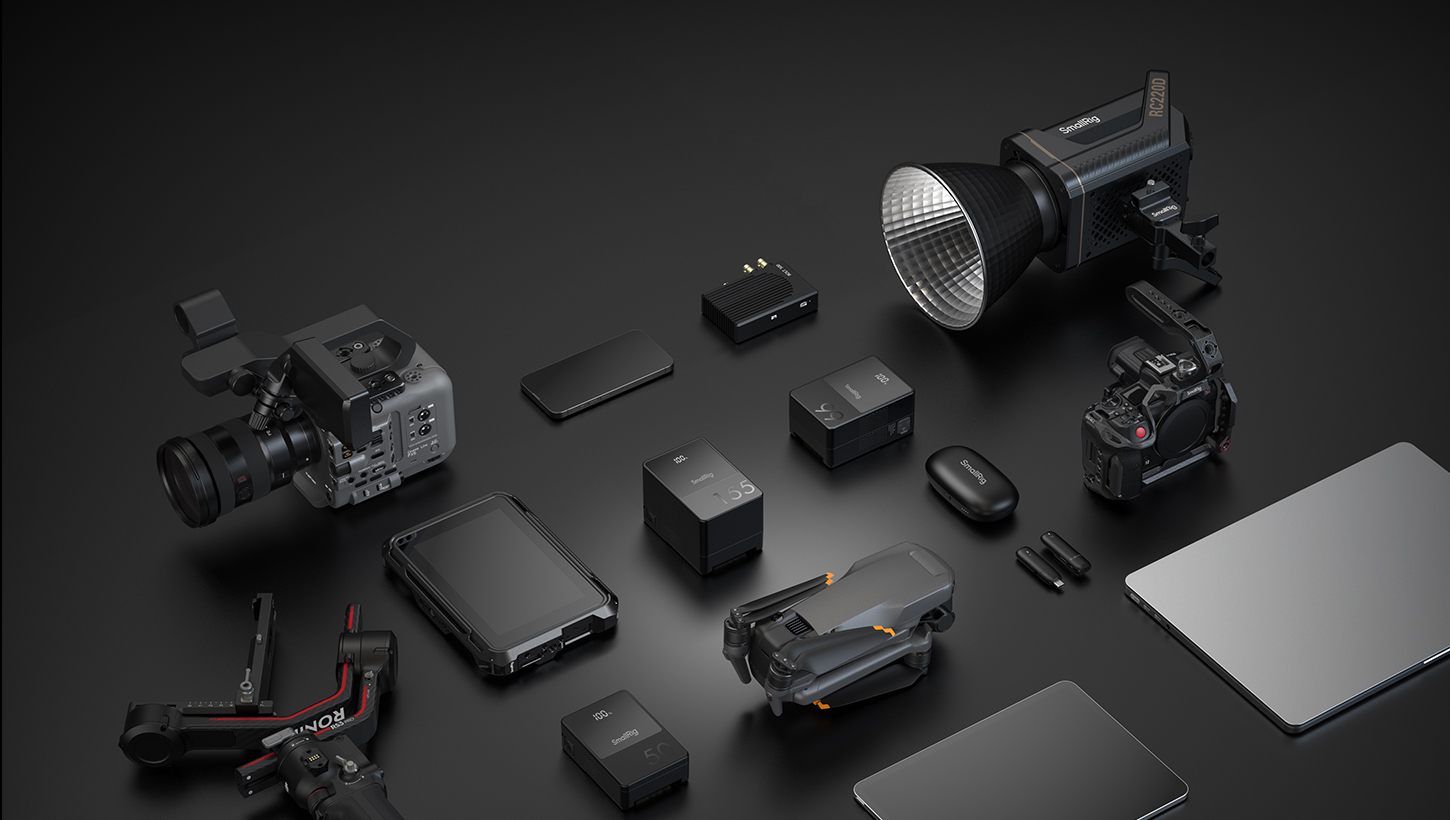
V Mount uses a V-shaped wedge that slides into a matching plate on your camera or rig. The design is dead simple: line up the battery, push it in, and you're locked. Most V batteries come with D-Tap ports (sometimes called P-Tap) that let you power monitors, wireless transmitters, or anything else that needs juice. The standard voltage sits at around 14.4 V–14.8 V for most Li-ion V Mount packs, in line with common 4-cell (4S) lithium-ion configurations.
The beauty of V Mount is how universal it's become. Whether you're mounting it to a cinema camera, a DSLR cage, or a lighting fixture, chances are there's a V Mount plate for it. The system doesn't care about brand loyalty—a battery from one company will work on another company's charger as long as both follow the standard.
Gold-Mount Battery Design and Standards
Gold-Mount (also called Anton Bauer Mount after the company that created it) uses a different approach. The battery slides onto a gold-plated contact plate with a rotating lock mechanism. You push the battery on, twist a lever, and it clicks into place. The gold plating on the contacts is supposed to prevent corrosion and maintain better conductivity over time.
Gold-Mount batteries typically deliver the same nominal ~14.4 V output as V Mount, but the physical design takes up slightly more space. The locking mechanism is arguably more secure—you won't accidentally knock a Gold-Mount battery loose—but that extra security comes with added bulk and weight.
Comparison Table: V Mount vs. Gold-Mount Key Specifications
| Feature | V Mount | Gold Mount |
| Physical Mounting | V-shaped wedge, push-to-lock | Slide-on with rotating lever lock |
| Compatibility | Nearly universal across brands | More limited, premium equipment focus |
| Power Capacity | Commonly offered from around 90–100 Wh up to roughly 250–300 Wh, depending on model | Typically available from about 90 Wh to around 230–240 Wh in many current lines |
| Output | 14.4V/14.8V standard | 14.4V standard |
| Charge Speed | Often on the order of a few hours (roughly 2–4 hours) for a ~150 Wh pack on a typical dual charger | Similar “few-hour” charge times on dedicated Gold-Mount chargers for comparable capacities |
| Size | Compact, varies by capacity | Slightly larger footprint |
| Weight | Roughly ~1–3 lb for many 90–150 Wh packs, with higher-capacity models weighing more | Often in a similar range, with a 90–100 Wh pack around 1.7–2 lb and larger packs proportionally heavier |
| Portability | Lighter, easier to pack multiple units | Heavier, bulkier form factor |
| Price Range | Frequently around US$200–500+ depending on brand and capacity | Often priced at roughly US$250–700+ for pro-level packs |
| Value | Better cost per watt-hour | Premium pricing for legacy market |
The performance gap between these systems is minimal. Both deliver reliable power, similar runtimes, and comparable V mount battery charge times. The real differences show up in compatibility and cost.
Which Camera Battery System Works Best for Different Shooting Styles?
Your shooting style matters more than specs when choosing between these systems. Here's how they stack up in real-world scenarios.
Documentary and Run-and-Gun Filming
V Mount wins here. When you're moving fast, you need batteries that work with everything in your kit. Most documentary shooters run mixed gear—maybe a mirrorless camera on a gimbal, a monitor on top, and a wireless transmitter on your belt. V Mount batteries power all of them without adapters or workarounds. They're also lighter, which matters when you're carrying gear all day.

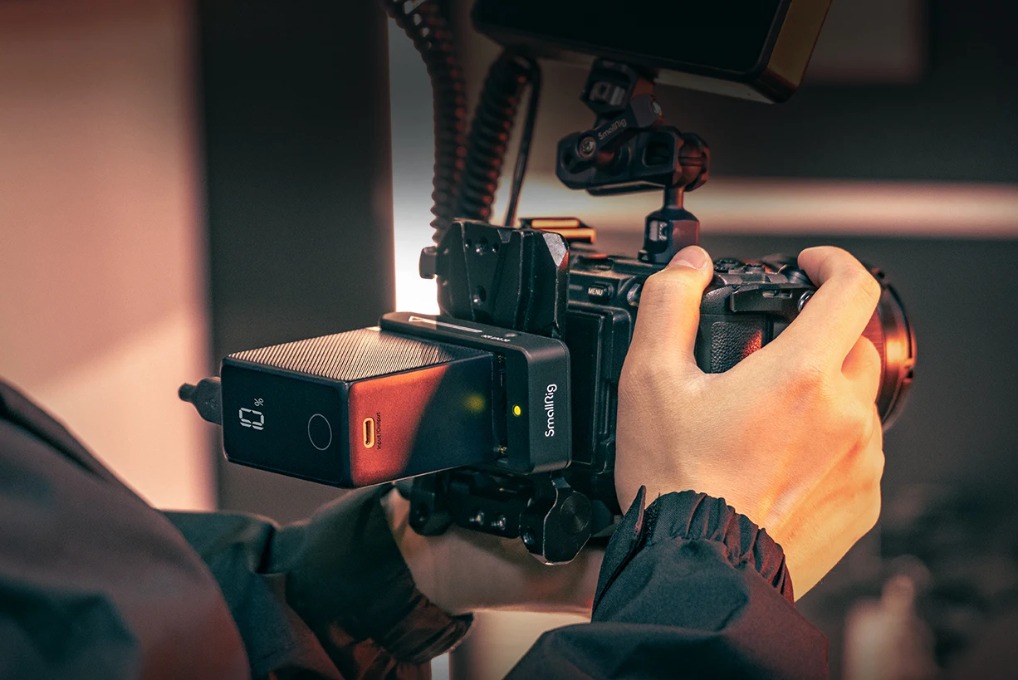
Run-and-gun shooters often pair a V Mount battery with SmallRig shoulder rigs or handheld cages, using a rear-mounted V Mount plate to counterbalance the camera while powering multiple accessories.
Studio and Controlled Environment Production
Gold-Mount still has a foothold in studios because that's where the old broadcast cameras live. If you're working with legacy equipment or high-end broadcast gear, you might not have a choice—the camera battery system is already decided for you. But even in studios, more productions are switching to V Mount as they update their equipment.
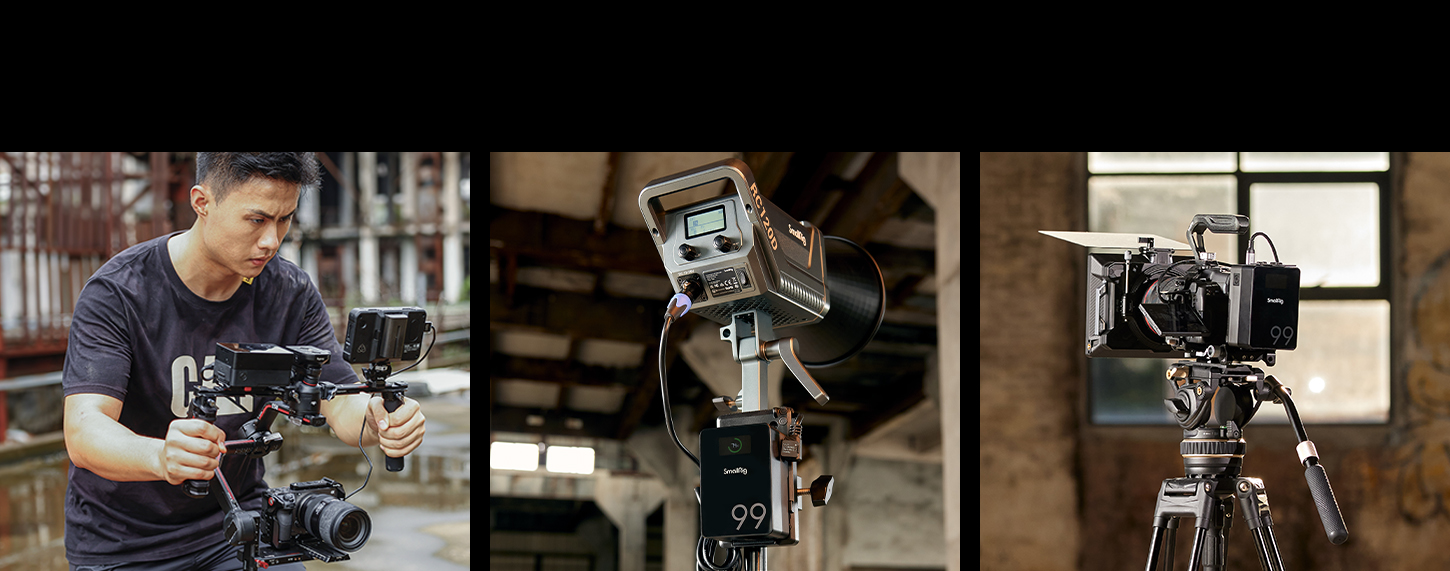
When upgrading to cinema cameras or modular rigs, crew members often integrate V Mount power through SmallRig cage ecosystems, rails, and battery plates to keep setups consistent.
Outdoor and Long-Duration Shoots
Battery capacity matters more than mount type for long shoots. Both systems offer high-capacity options (200Wh+), but V Mount gives you more choices at better prices. In many rental catalogs and online stores, you’ll find a wider variety of mid- and high-capacity V Mount packs than Gold-Mount at comparable watt-hours, which means more runtime for your money.

Broadcast and Live Production
This is Gold-Mount's last stronghold. Broadcast cameras from major manufacturers still use Gold-Mount as standard, and switching an entire production truck's worth of batteries isn't cheap. If you're working in traditional broadcast, you're probably stuck with Gold-Mount whether you like it or not.
How Do You Choose the Best V Mount Battery?
Shopping for the best V mount battery means looking past marketing hype and focusing on what actually powers your gear.
Understanding Your Power Requirements
Start by checking your camera's power draw in watts. A typical mirrorless camera pulls on the order of 8–15 W, while a cinema camera might hit dozens of watts, often in the 40–80 W range depending on model and accessories. Add up everything you're powering—camera, monitor, wireless video, lights—and multiply by your shoot duration. That gives you the minimum watt-hours you need. Always add a 20-30% buffer because batteries don't deliver 100% of their rated capacity in real-world conditions.
Capacity Options for Different Camera Rigs
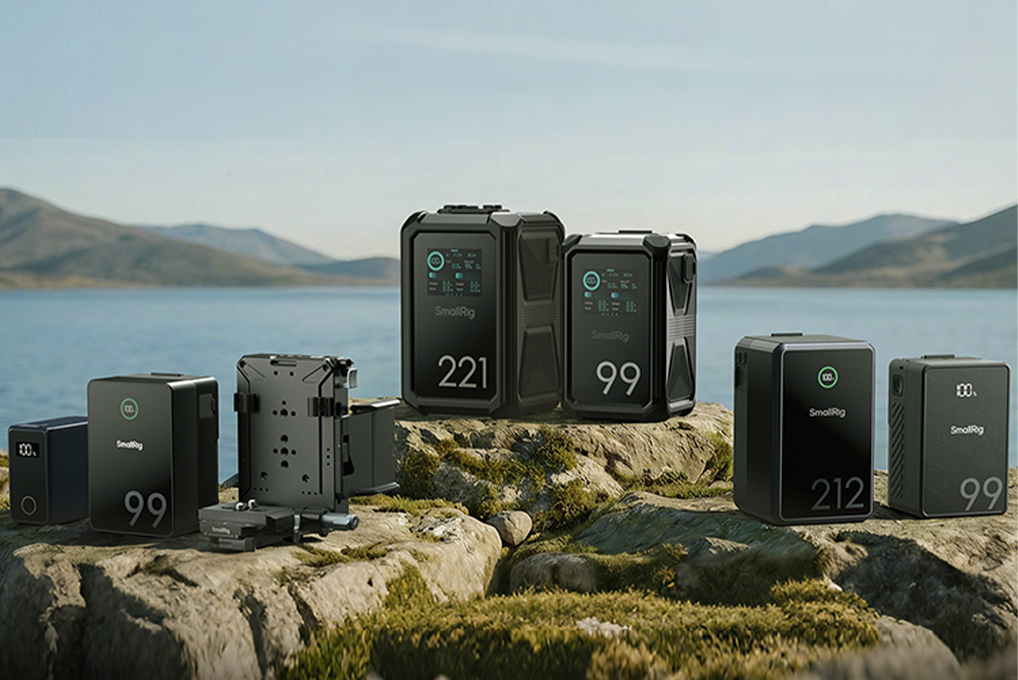
A 95Wh V battery works fine for solo mirrorless shooters doing short sessions. It'll keep a Sony A7S running for several hours of active shooting, depending on settings and accessories. Jump to 150Wh for all-day work or if you're powering accessories. The 200Wh+ monsters make sense when you're running power-hungry cinema cameras or need to go all day without swapping.
Remember that anything over 100Wh requires airline approval for carry-on, and many airlines cap you at 160Wh. Plan your battery purchases around travel restrictions if you fly frequently.
Essential Features in Quality V Batteries
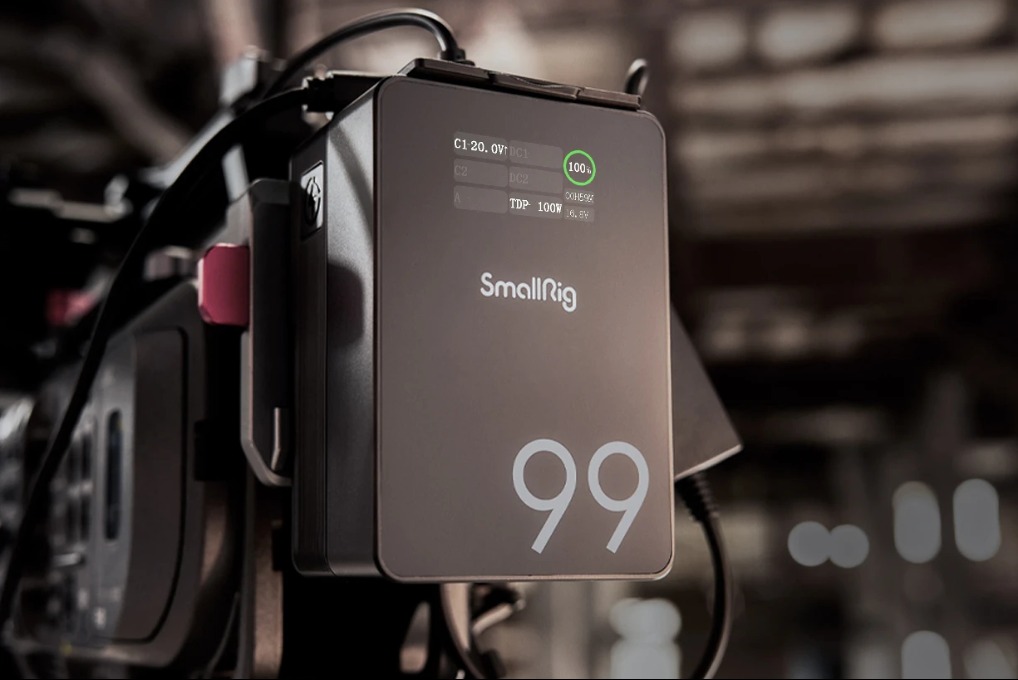
Look for batteries with built-in LED fuel gauges—you need to know how much juice is left at a glance. D-Tap outputs are non-negotiable for powering accessories. Some premium batteries add USB ports for charging phones or tablets, which is handy but not essential. Higher-end packs often advertise branded lithium-ion cells and rated cycle life (for example, some pro video batteries specify around 1,000 cycles under ideal use), which is a better reliability indicator than cosmetic features.
Cell quality matters more than fancy features—good batteries use Samsung or Panasonic cells and will tell you so.
How to Charge and Maintain Your Camera Battery?
Proper charging and care extend battery life significantly. Many professional V Mount and Gold-Mount batteries are rated for several hundred charge cycles, and some modern models claim lifespans of around a thousand cycles if treated gently; abusive use can cut that dramatically. Treat your batteries right, and they'll last 500+ charge cycles instead of dying after 200.
Proper V Mount Battery Charge Methods
Use the charger designed for your batteries. Generic chargers might work, but they won't balance cells properly or manage temperature correctly. On typical two-position chargers, bringing a ~150 Wh pack from low to full generally takes a few hours, often roughly in the 2–4 hour range depending on charge current.
Fast chargers cut that time but generate more heat, which degrades cells faster. Slow and steady wins the longevity race.
Never charge batteries in extreme temperatures. Charging is usually recommended around room temperature; very cold (near freezing) or hot (well above typical indoor temperatures) conditions can permanently damage the cells. Let cold batteries warm up to room temperature before charging.
Battery Health and Cycle Life
Every charge cycle—from 0% to 100%—counts against your battery's lifespan. Partial charges don't hurt as much as fully draining the battery. Try to keep batteries between 20% and 80% for regular use. Only do full charge-discharge cycles once a month to calibrate the fuel gauge.
Storage and Temperature Guidelines
Store batteries at 40-60% charge in a cool, dry place. Full batteries stored long-term lose capacity faster. If you won't use a battery for months, charge it to 50% and check it every three months. Extreme heat kills batteries—never leave them in a hot car.
FAQs
Q1: Can I Fly With V Mount Batteries on Commercial Airlines?
Yes, but with restrictions. International rules based on IATA guidance generally allow lithium-ion batteries up to 100 Wh in carry-on bags without special approval; batteries over 100 Wh and up to 160 Wh are usually limited to a maximum of two spare units per passenger and may require airline approval; batteries above 160 Wh are not permitted in passenger baggage.
Most airlines limit you to two batteries over 100Wh. Anything over 160Wh is banned on passenger flights. Always carry batteries in your carry-on luggage; never check them. Tape over the terminals or keep batteries in their original cases to prevent short circuits.
Q2: Do V Mount and Gold-Mount Batteries Use the Same Chargers?
No, they need different chargers because the physical connectors don't match. However, some high-end dual chargers support both mount types with swappable plates. If you're running a mixed battery system, these dual chargers save space and cost. Single-system chargers are cheaper and perfectly fine if you've committed to one mount type. The charging technology inside is similar—it's just the physical connection that differs.
Q3: What’s the Actual Runtime Difference Between a 150WH and 200WH Battery?
It depends entirely on your power draw. If your camera rig pulls 30W, a 150Wh battery gives you about 5 hours of runtime, while a 200Wh battery stretches that to roughly 6½ hours in ideal conditions. The math is simple: watt-hours divided by watts equals hours. But real-world efficiency is about 80–85% of the rated capacity, so always calculate conservatively. The weight difference is significant—a 200Wh battery typically weighs noticeably more (often around half a kilo or so extra) than a 150Wh model from the same line.
Conclusion
V Mount has won the battery wars for good reason—better compatibility, lower prices, and lighter weight make it the smart choice for most shooters. Invest in quality batteries with proven cells, buy more capacity than you think you need, and take care of them properly. Your camera battery system should fade into the background so you can focus on getting the shot.
If you're upgrading your setup, consider incorporating SmallRig V Mount battery plates, camera cages, clamps, and rail systems to build a clean, unified, and reliable power-plus-rig solution that keeps your workflow efficient and production-ready.
Keep Reading
 SmallRig VB99 SE vs VB99 vs VB99 Pro: Which V-Mount Battery is Best?
 V Mount Battery Guide 2026: Everything You Need to Know
 How to Charge Your Camera Battery Without a Charger?
Related Products from SmallRig