
Search smallrig.com...


Camera Tripod Price Guide: How Much Should You Actually Spend in 2026?
SmallRig 2026-01-22 20:30:27
Contents
Budget in the “a few hundred dollars” range for most serious hobbyists, and expect a higher spend only if you truly need pro-level durability or heavy-lens support.
What Do Different Camera Tripod Price Ranges Get You?
Understanding price tiers helps you avoid overspending on features you won't use or buying junk that fails when you need it most.
Entry-Level Tripods ($50-150) Features and Limitations
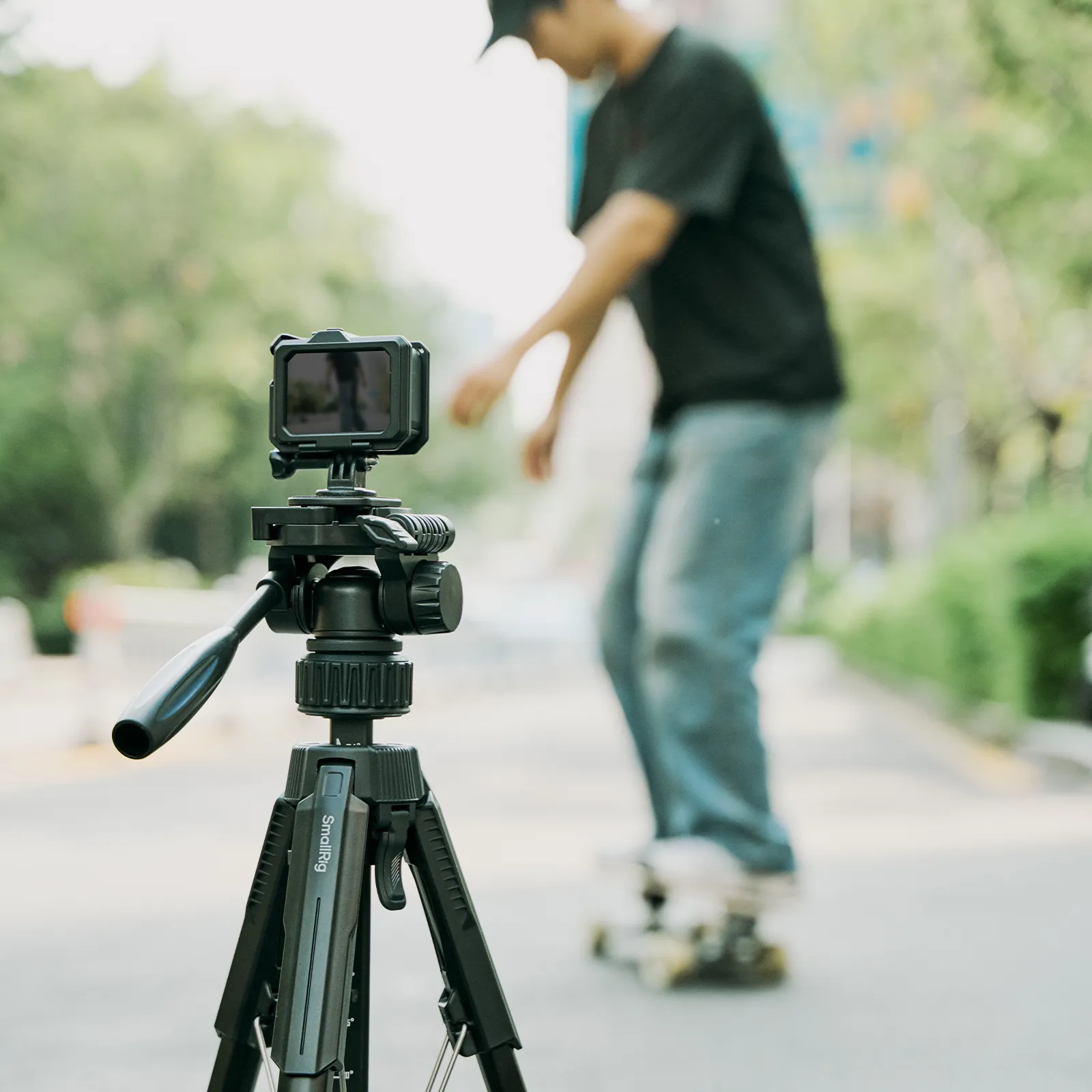
Budget tripods work fine for lightweight mirrorless cameras and casual shooting. You'll get aluminum construction, basic flip locks, and decent stability indoors. The catch? Maximum load capacity often stays in the single-digit pounds range for compact/light tripods (commonly up to about 2–8 lb for compact travel-style models), and the legs feel wobbly in the wind.
These tripods weigh a few pounds and often pack down to a compact length (exact weight and folded length vary widely by model).
Most entry models skip the ball head entirely or include cheap pan-tilt heads that drift during long exposures. For weekend photographers shooting APS-C cameras with kit lenses, this tier works. Just don't expect it to support a DSLR with a 70-200mm f/2.8 lens.
Mid-Range Tripods ($150-400) Performance and Value
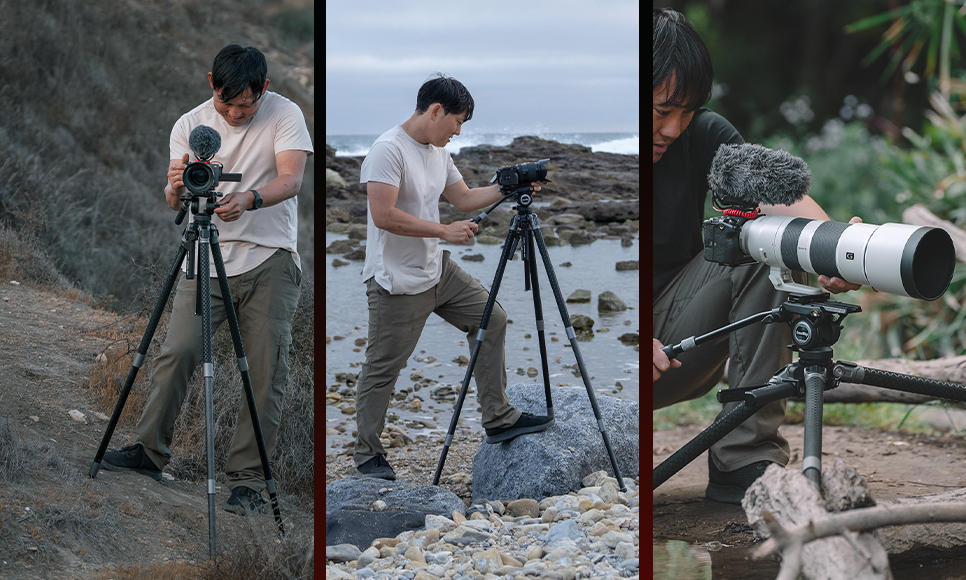
This sweet spot delivers professional features without the premium price tag. You'll find both aluminum and entry-level carbon fiber options here. Load capacities commonly jump into the “teens to a few dozen pounds” range on many enthusiast tripods (brand/model dependent).
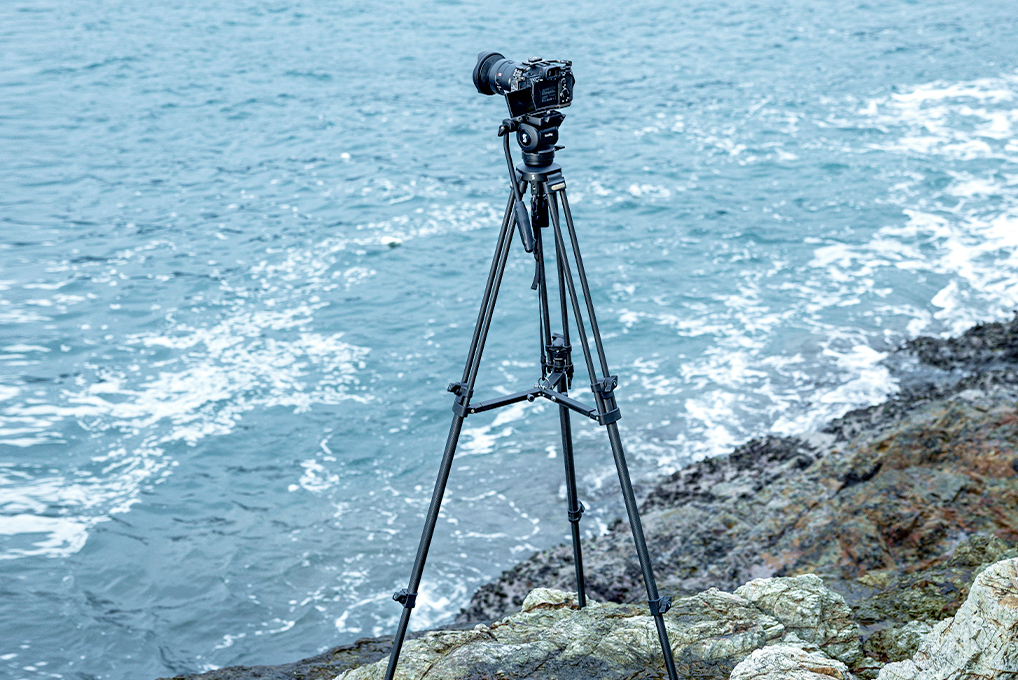
If you prefer an all-in-one starting point, a SmallRig “legs + fluid head” kit is a practical example of what this budget is aiming at: you’re paying for smoother pan/tilt control, not just taller legs.
Professional-Grade Tripods ($400-800) Core Advantages
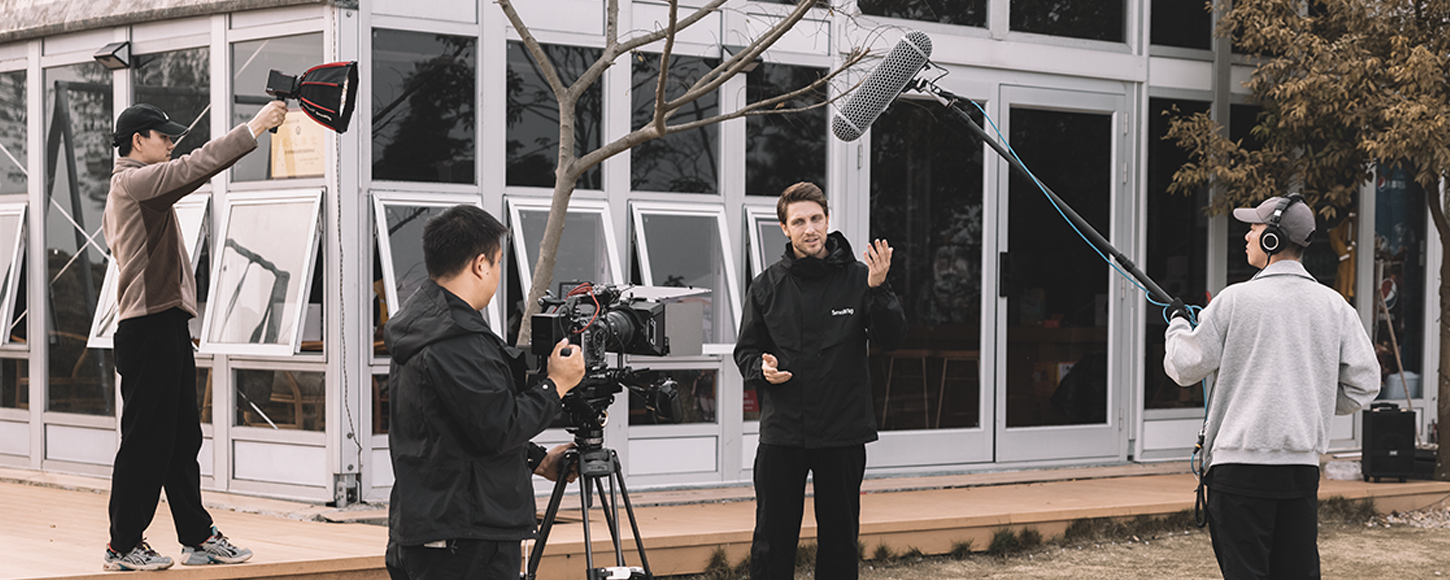
Professional camera tripods prioritize stability and precision over everything else. Carbon fiber construction becomes common, cutting weight while supporting heavier rigs. Real-world examples vary a lot: for instance, one high-end pro tripod can be rated far above typical needs.
These tripods feature modular designs—you can swap ball heads, pan heads, or video fluid heads based on the job. The materials resist temperature extremes better, crucial for landscape photographers working in freezing conditions or desert heat. A good professional tripod often lasts around a decade or longer with basic maintenance (exact lifespan depends on use and abuse).
Premium Tripods ($800+) Use Cases
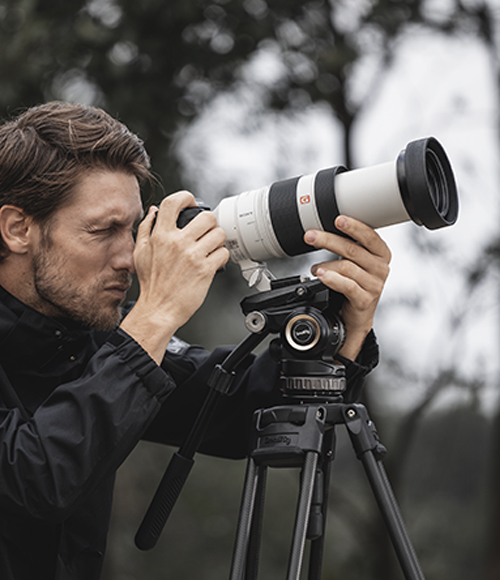
Ultra-premium tripods target specific niches. Wildlife photographers need maximum height and rock-solid stability for 600mm+ lenses. These tripods can support very heavy payloads, and some are designed for large telephoto and video rigs. Most photographers don't need this category unless their camera gear alone costs many thousands of dollars or their livelihood depends on equipment that never fails.
Are Carbon Fiber, Travel, and Professional Camera Tripods Worth the Investment?
Different tripod types solve specific problems. Here's how they stack up against each other.
Tripod Type Price Comparison Table
| Type | Price Range | Weight | Load Capacity | Best For | Value Assessment |
| Aluminum Travel | $100-250 | 3-4 lbs | 15-20 lbs | Weekend trips | Good entry point |
| Carbon Fiber Travel | $250-500 | 2-3 lbs | 20-25 lbs | Frequent travel | Worth it for hikers |
| Aluminum Professional | $200-400 | 4-6 lbs | 25-35 lbs | Studio work | Budget pro option |
| Carbon Professional | $400-800+ | 2.5-4 lbs | 30-45 lbs | Field professionals | Best long-term investment |
Carbon Fiber Tripod Long-Term Cost Analysis
Carbon fiber costs typically noticeably more than aluminum upfront (the exact multiple varies by brand and design), but the weight savings pay off fast. A typical weight gap depends heavily on the model; for example, one carbon fiber tripod+head combo has been documented at about 2.5 lb total in a review, while many aluminum systems come in heavier.
Carbon fiber also handles temperature swings better. Aluminum legs freeze your hands in winter and conduct heat in summer. The material dampens vibrations more effectively, too, helping with sharpness during long exposures. If you shoot outdoors monthly or more, carbon fiber tripods justify their premium within a relatively short time for many users (but the “break-even” depends on how often you hike/shoot).
Travel Tripod Portability Versus Stability Trade-offs
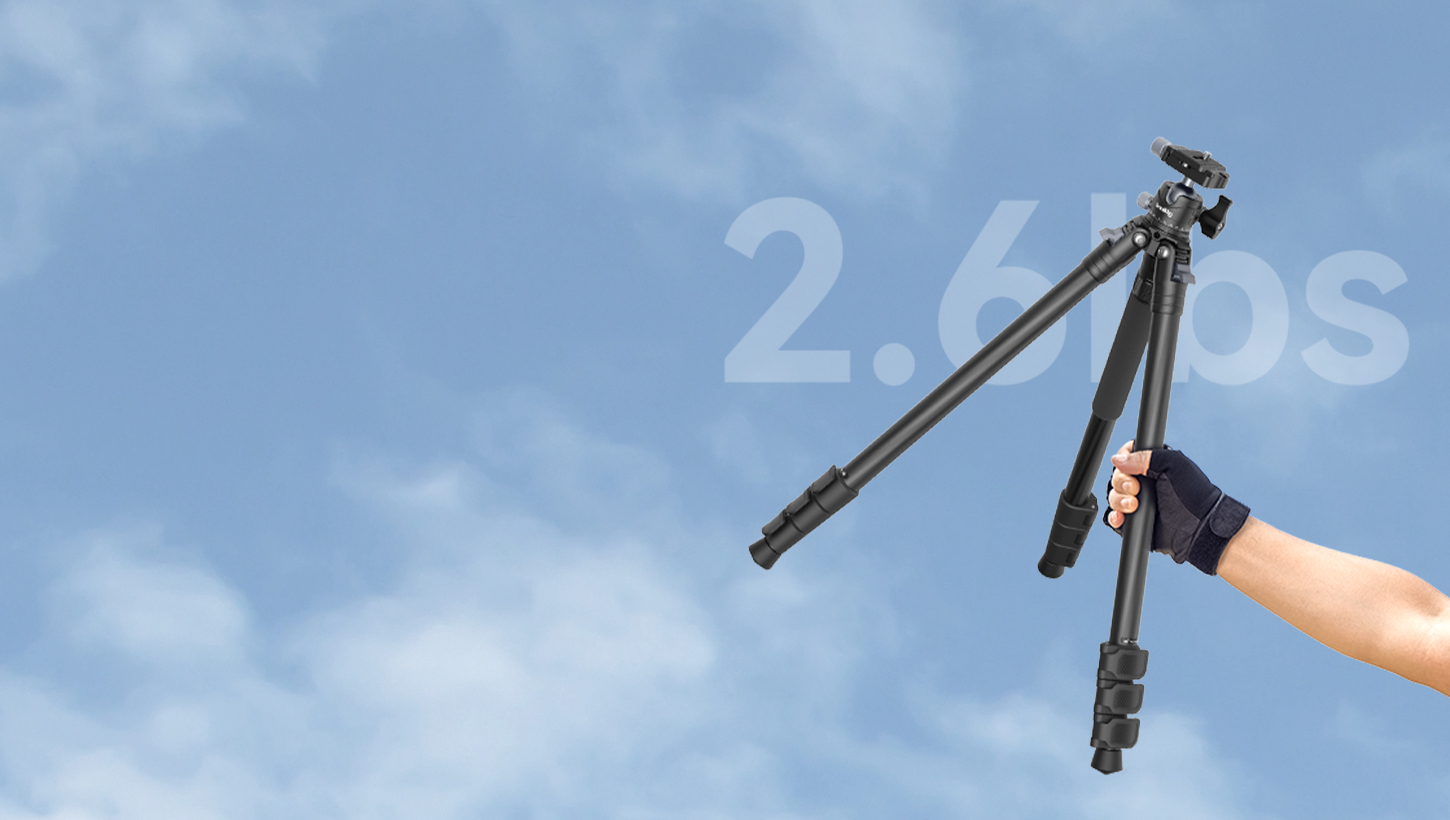
Travel tripods sacrifice maximum height and leg diameter for packability. Most fold down to a compact length (varies widely by model and leg section count) and weigh roughly “a few pounds” for many travel-focused designs.
The thinner leg sections mean less rigidity—fine for short exposures but sketchy in wind. Five-section legs pack smaller than four-section designs, but each additional joint introduces flex.
For occasional travel, a good mid-range standard tripod works better than a mediocre dedicated travel model. Only invest in specialized travel tripods if you fly frequently or backpack with gear regularly.
Professional Camera Tripod Investment Return Assessment
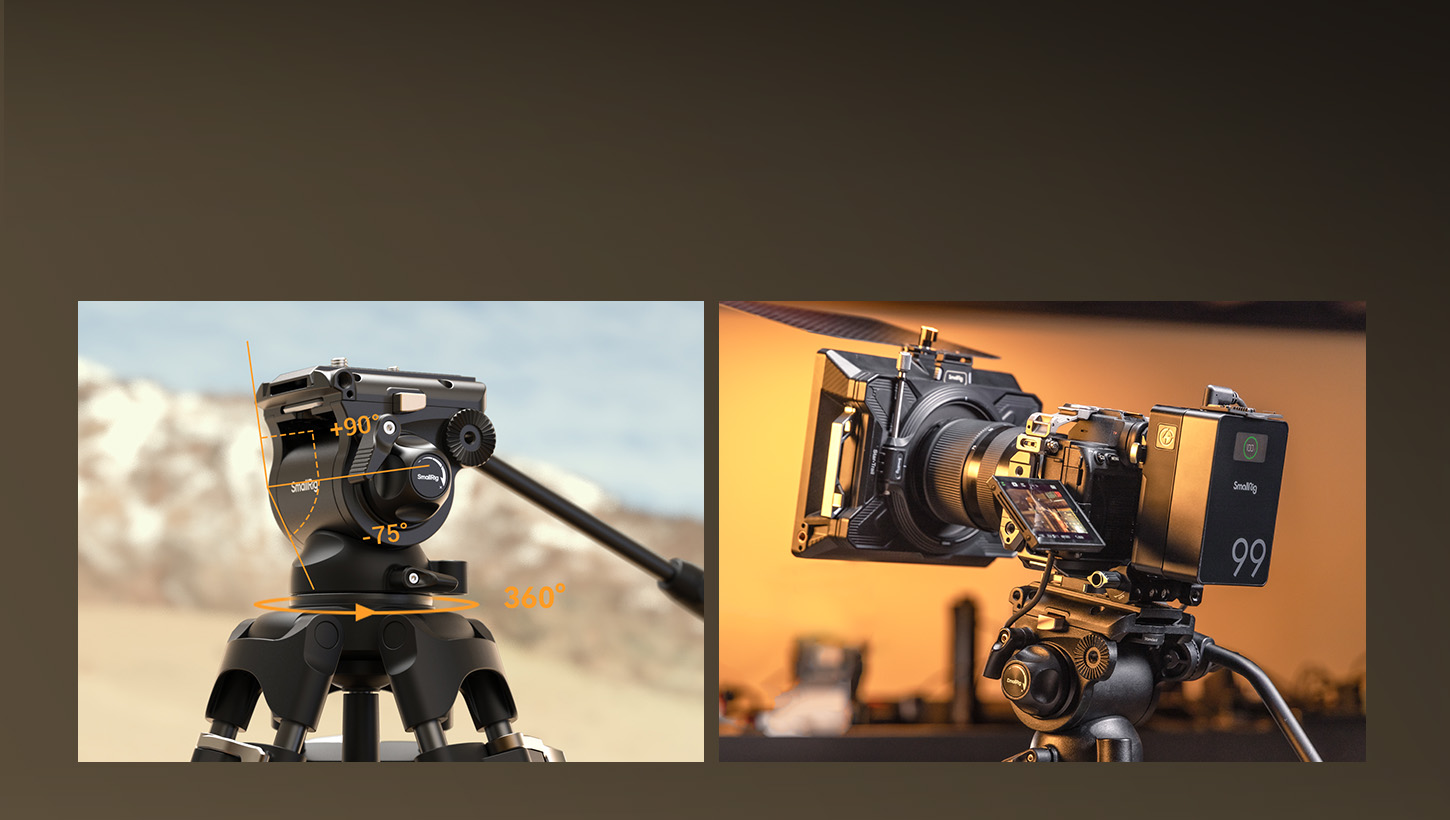
Professional tripods cost more upfront but rarely need replacement. Budget tripods fail within a few years of regular use (exact timing depends on quality and conditions)—leg locks strip, ball heads develop play, and center columns wobble. A pro-level carbon fiber setup can remain serviceable for a decade-plus.
Calculate based on your shooting frequency. Professionals working very frequently throughout the year need bombproof gear. Hobbyists shooting occasionally can stretch mid-range equipment much longer. Don't buy a professional just for the label—buy it when your gear value and usage patterns justify the investment.
Best Choice Recommendations for Different Photography Needs
Match your tripod to your actual shooting style. Landscape photographers hiking to locations need lightweight carbon fiber travel tripods. Studio photographers benefit from heavier professional aluminum tripods since portability doesn't matter. Wildlife shooters need maximum height and load capacity for big lenses. Be honest about your needs before dropping $700 on features you'll never use.
How Should You Budget Your Camera Tripod for Different Photography Types?
Your photography style determines smart spending limits more than arbitrary price tiers.
Landscape and Travel Photography Budget Recommendations
Plan on $250-500 for carbon fiber travel tripods if you hike regularly. The weight savings matter when covering miles with a full pack. Aluminum options at $150-250 work if you mostly shoot from roadside locations. Ball heads make more sense than pan-tilt heads for landscape work. Budget $80-150 for a separate quality ball head if your tripod kit includes a cheap one.
Studio and Product Photography Investment Points
Studio photographers need stability over portability. Spend $300-500 on heavier professional aluminum tripods that don't budge during long exposures. The extra weight actually helps—you want mass to dampen any movement. Consider tripods with horizontal center columns for overhead product shots. This feature adds $100-200 but beats jury-rigging alternative solutions.
Video Production Tripod Requirements Analysis
Video demands different priorities. Fluid heads matter more than the tripod itself—budget $200-400 for a decent video head separate from the legs. Aluminum legs work fine since you're not hiking with video tripods.
Wildlife and Sports Photography Budget Configuration
Wildlife work needs maximum height and serious load capacity for 400-600mm lenses. Expect to spend $500-800 on professional-grade carbon fiber legs alone. Add a heavy-duty ball head or gimbal head for another $300-600. Portability matters since you're often walking to wildlife locations, so carbon fiber becomes essential despite the cost.
How Can You Find the Best Value Camera Tripod Deals?
Smart shopping stretches your tripod budget significantly without compromising quality.
Best Purchase Timing and Seasonal Sales
Black Friday and Cyber Monday often bring around ~20% discounts, with some deals reaching ~30% depending on brand and model.
Spring sales (March-April) offer solid deals as retailers clear inventory for new releases. End-of-year sales work well for budget and mid-range tripods. Set price alerts on deal aggregator sites—tripods don't change models frequently, so waiting a couple of months for a sale makes sense.
Previous Generation Professional Model Savings Strategies
Last year's professional tripod performs nearly identically to this year's model. You'll save often in the “noticeable” range, depending on clearance and availability (exact % varies), buying previous-generation professional tripods from authorized dealers clearing stock.
Check manufacturer outlet stores first, then reputable used gear retailers. Previous-gen savings let you access professional quality at mid-range prices if you're patient.
New Versus Used Camera Tripod Selection
Used tripods from careful owners save a substantial amount versus retail (the exact % depends on condition, brand, and demand) and work perfectly for years. Check leg lock operation, inspect the ball head for play, and verify that all adjustments move smoothly. Buy from sellers with return policies so you can test thoroughly. New tripods make sense for current-generation models with warranty coverage or when used options cost within 20% of new prices.
Common Purchase Pitfall Avoidance
Don't buy based on maximum height specs alone—extended height means nothing if the tripod wobbles. Ignore maximum load capacity claims from budget brands—they exaggerate wildly. Avoid tripods without name-brand recognition unless you find legitimate reviews from actual photographers. Stick to established manufacturers even when buying budget options.
FAQ
Q1. Can I Use the Same Tripod for Both Photography and Video Work Effectively?
Yes, but compromises exist. Photography prioritizes a quality ball head for quick positioning, while video needs fluid heads for smooth pans. A tripod with a flat mounting base and removable head lets you swap between ball heads and fluid heads based on the job. However, video tripods typically need heavier legs for damping camera movement during pans, while photo tripods emphasize lightweight portability. If you shoot 70% photos and 30% video, invest in good photo tripods with a flat base, then add an affordable fluid head later. For 50/50 splits, consider two separate setups rather than one mediocre compromise.
Q2. Do Tripod Brands Really Matter, or Are Budget Alternatives Just as Good?
Established brands matter significantly for quality control and longevity. Major manufacturers use consistent materials, test leg lock durability through thousands of cycles, and stand behind products with real warranties. Budget alternatives often use inferior aluminum alloys that bend under stress, plastic components that crack in cold weather, and ball heads with internal play that worsens quickly. The $120 difference between a reputable mid-range tripod and a generic alternative represents genuine engineering and material quality, not just logo markup. Budget brands occasionally produce decent products, but inconsistent quality control means you're gambling—some units work fine while others fail immediately.
Q3. How Do I Know When My Current Camera Tripod Needs Upgrading?
Upgrade when your tripod limits your photography rather than enables it. Clear signs include: visible wobble when fully extended with your current camera, leg locks that slip during use, ball head drift during long exposures, or struggling to support new, heavier lenses. Also consider upgrading if you've changed shooting styles—landscape photographers moving into wildlife work need taller tripods with higher load capacity. If you consistently leave your tripod at home because it's too heavy or awkward, upgrading to carbon fiber improves usage rates. However, if your current tripod works reliably for your shooting style, there's no reason to upgrade just because newer models exist.
Conclusion
Match your camera tripod budget to actual shooting patterns and gear investment. Calculate cost-per-use over five years instead of focusing on sticker shock. Start shopping mid-range models—they offer the best balance for most photographers.
Keep Reading
 What’s The Best Height For A Video Tripod?
 How To Choose The Perfect Tripod For Flawless Live Streaming
 The Ultimate Guide to Tripods: Tripod Components and Essential Setup Techniques
Related Products from SmallRig