
Search smallrig.com...


What Action Camera Accessories Do You Really Need?
SmallRig 2026-01-22 19:17:55
Contents
The bare minimum? A solid tripod for stable shots, a protective cage if you're doing anything rough, and maybe a microphone if audio matters. Lighting comes next. Your camera model—GoPro, DJI Osmo, or Insta360—determines which camera accessories actually fit. Let's cut through the marketing noise and focus on what works.
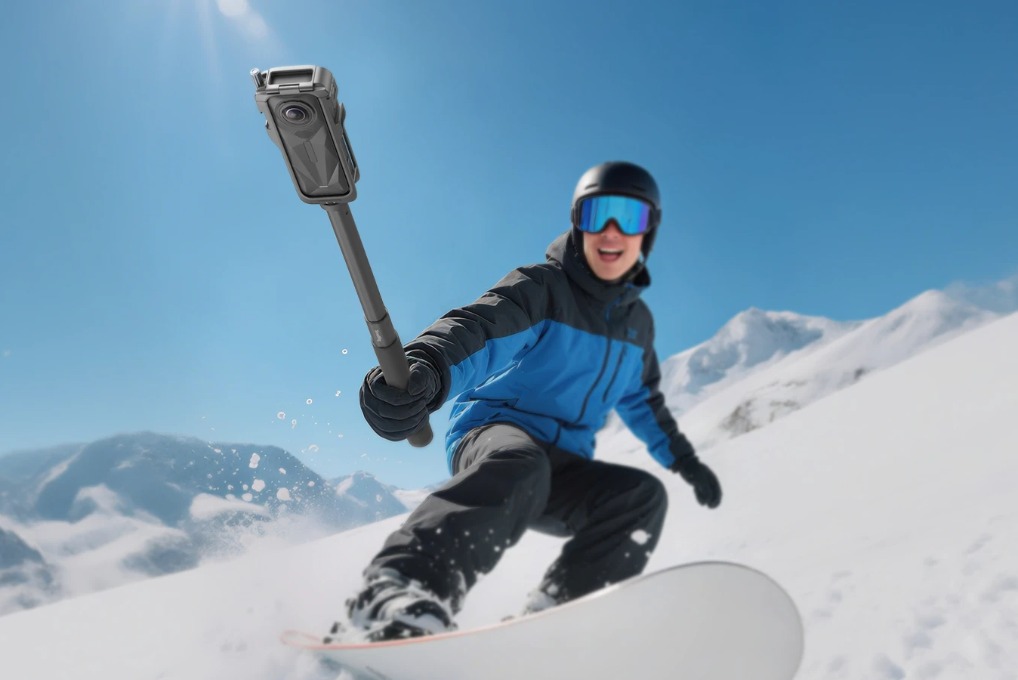
What Stabilization Camera Accessories Actually Improve Your Shots?
Shaky footage ruins otherwise great content. Tripods aren't just for static shots—they're the foundation of smooth panning, time-lapses, and low-angle work that makes action footage look professional rather than chaotic.
GoPro Tripod Options
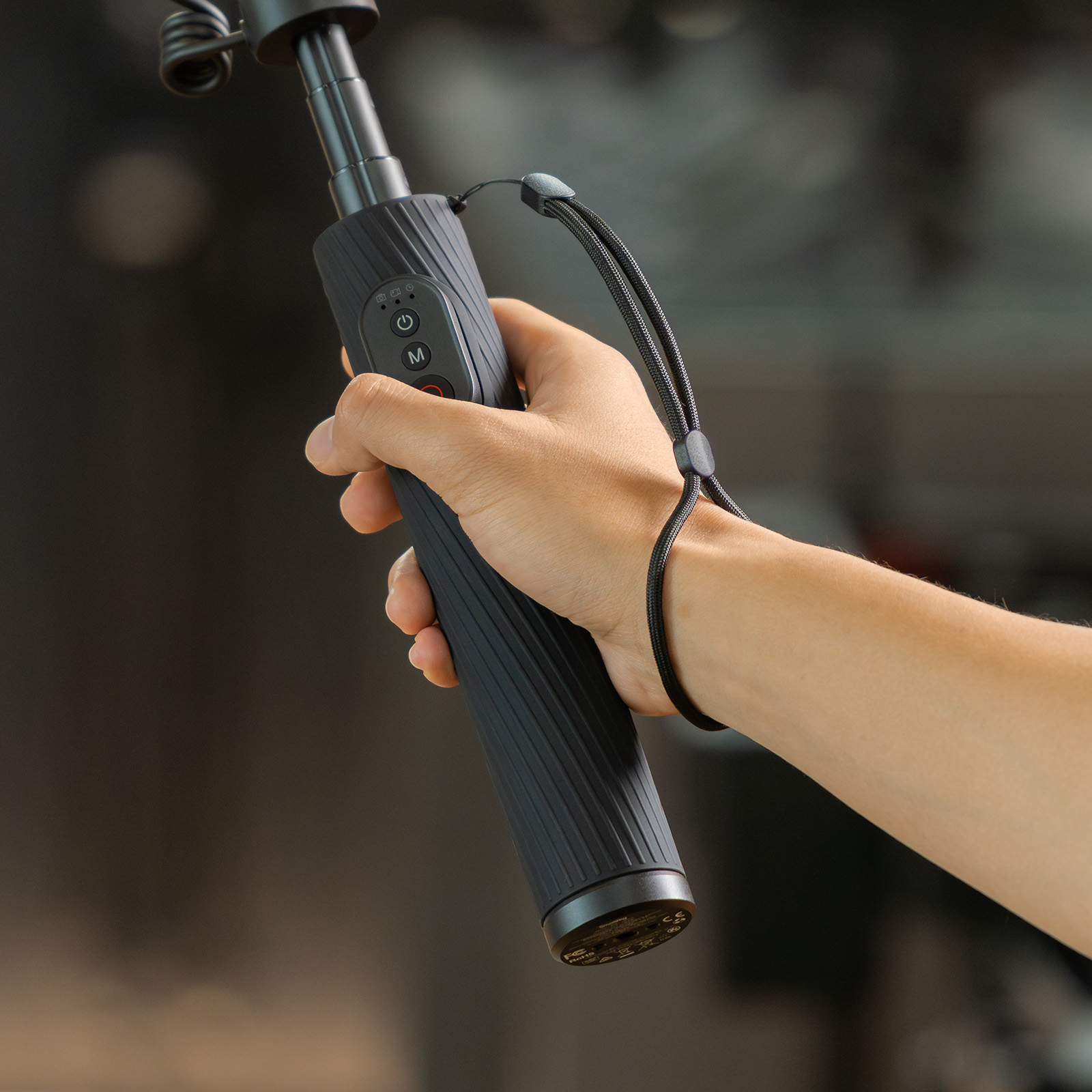
GoPro tripods come in two flavors: the mini tabletop versions and full-size models.
-
The tabletop ones (usually small “pocket-size” mini tripods) work great for vlogging or placing on surfaces, but they're useless for ground-level shots or anything requiring height.
-
Full-size gopro tripod models extend to roughly waist-to-head height, depending on model, and often include ball heads for angle adjustments. Look for ones with the GoPro mount adapter already included—buying it separately is annoying and expensive.
If you want a quick “works-with-most-rigs” example, SmallRig’s small tripods/mini supports and mounting bits are commonly used in creator setups, and the product listings can help you sanity-check mounts and thread types before you buy.
DJI Osmo Tripod Compatibility
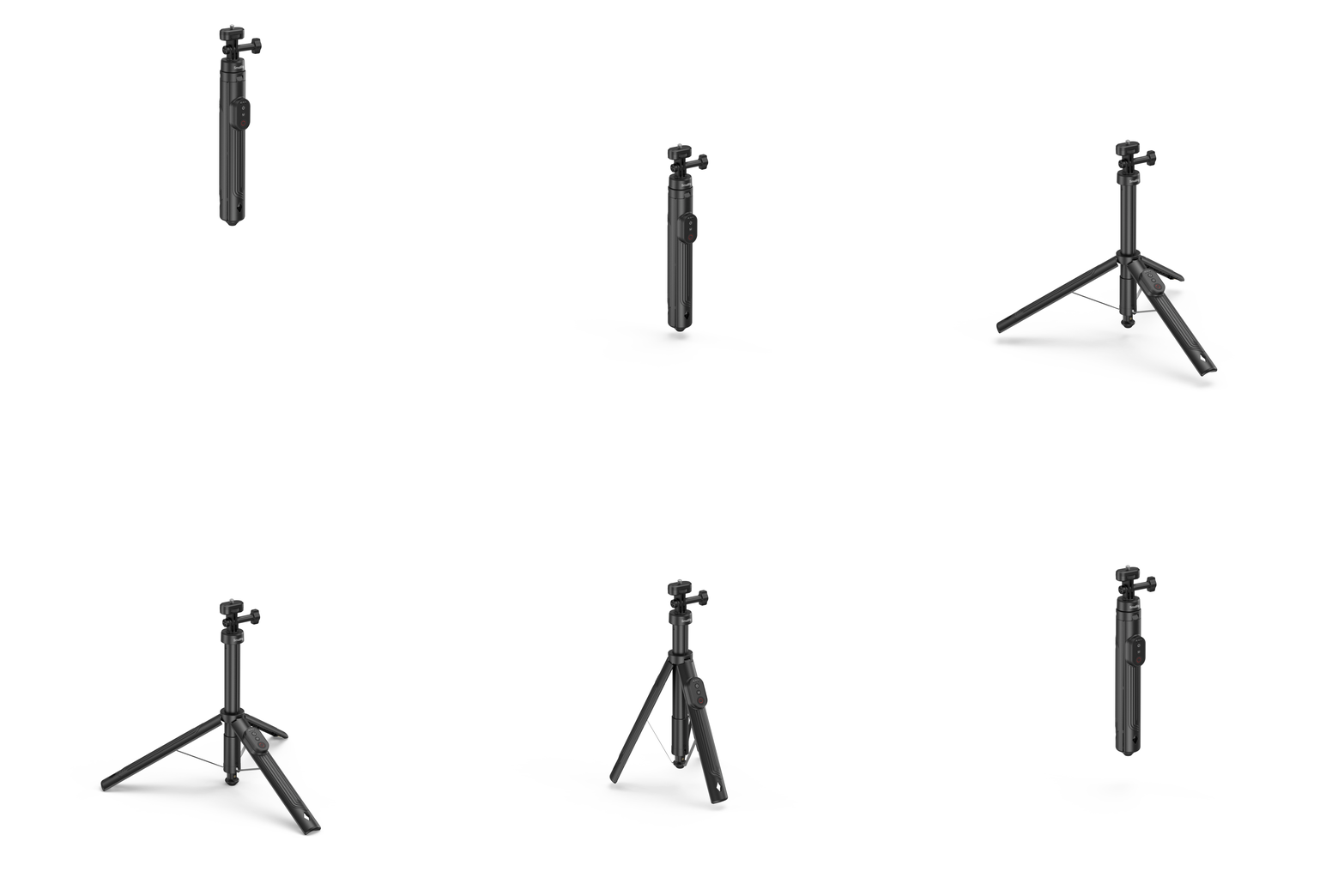
The dji osmo tripod situation is simpler because most Osmo cameras use standard 1/4"-20 threads. This means regular camera tripods work fine, but dedicated action camera tripods are lighter and pack smaller. DJI's own extension rod doubles as a tripod, which is clever for travel. The magnetic mounting system on newer Osmo models means you can swap between handheld and tripod mounting in seconds without fumbling with screws.
Tripod Size Tradeoffs
Tabletop tripods fit in your pocket but limit shooting angles. Full-size models give you flexibility but add bulk. The middle ground? Flexible-leg tripods that wrap around poles, branches, or railings. They're not as stable as rigid legs, but the positioning options make up for it when shooting in weird locations.
Mounting Plates Matter
Quick-release plates save time but add another thing to lose. Screw-mount systems are more secure for high-impact activities. If you're switching between multiple camera accessories frequently, quick-release makes sense. For mounting once and leaving it, skip the complexity.
Why Should You Invest in Protective Cage Camera Accessories?
Naked action cameras scratch easily and lack mounting points. Cages solve both problems while adding negligible weight. The frame design protects your camera during drops and provides multiple 1/4"-20 threads plus cold shoe mounts for lights and mics.
GoPro Cage Design
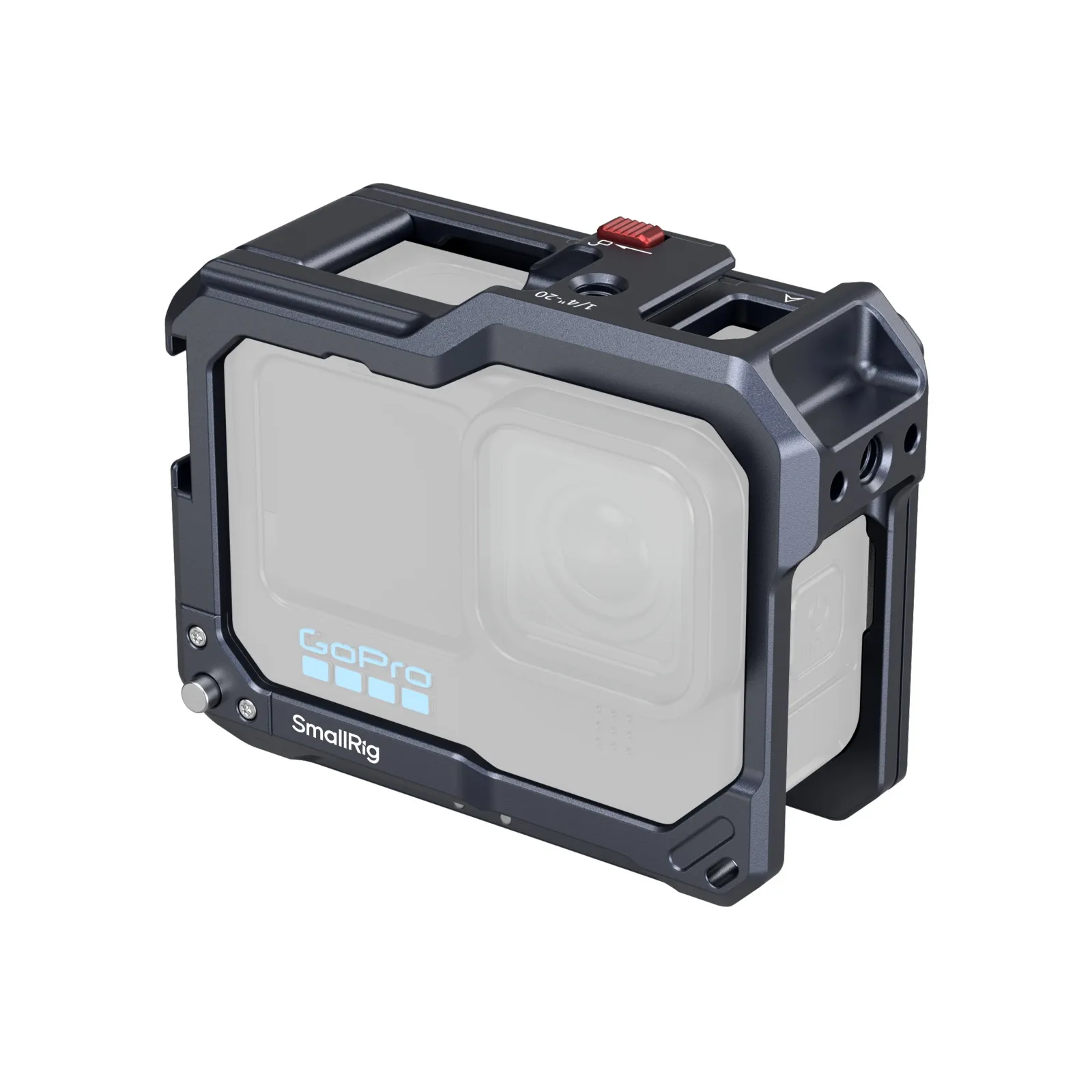
A gopro cage typically wraps around three sides, leaving the lens, screen, and battery door accessible. Better models include filter-thread adapters (sizes vary by cage model), letting you use ND filters or polarizers. The cage adds some bulk in every direction—not huge, but it won't fit in tight helmet mounts anymore. Aluminum cages typically cost in the “tens of dollars” range (varies widely by brand/material) and last forever. Plastic ones are cheaper but crack under pressure. Different Hero models require specific cage designs for proper fit.
DJI Osmo Action 3 Cage Features
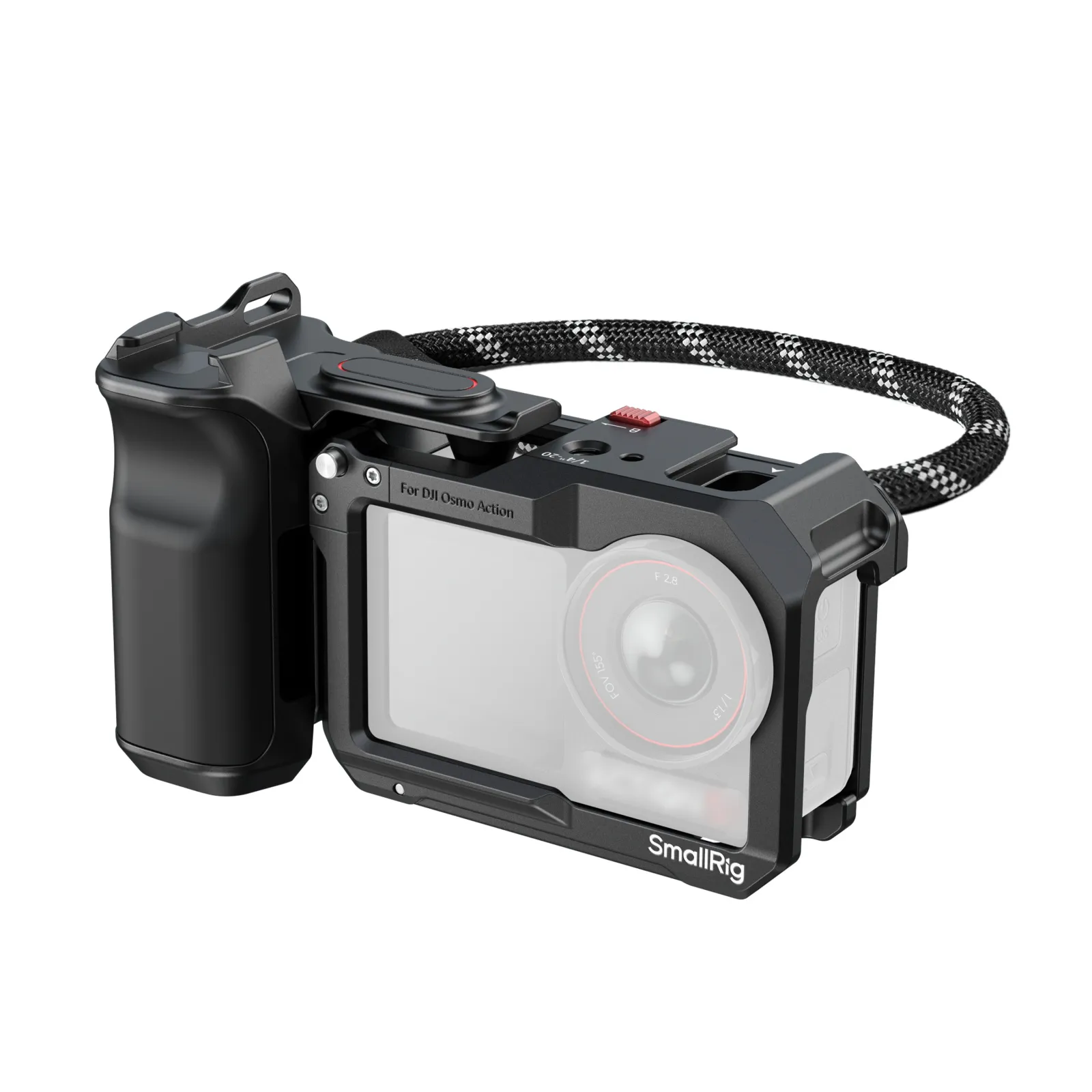
The dji osmo action 3 cage design accommodates the camera's magnetic mounting system, which complicates the frame structure. Some cages replace the magnetic mount entirely with traditional screw mounts, giving you more accessory options but losing the quick-release convenience. Choose based on whether you value speed or expandability more.
Insta360 X4 Cage Considerations
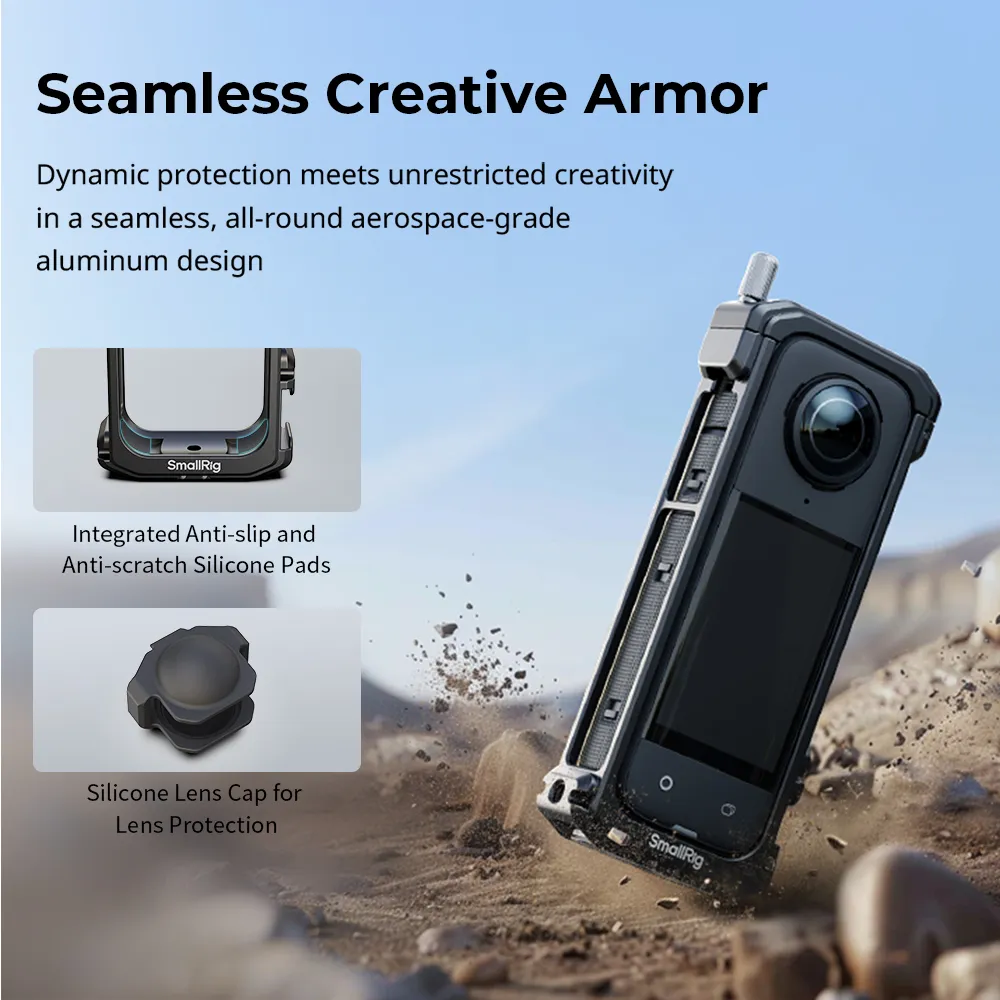
The insta360 x4 cage faces a unique challenge: the dual-lens design means the cage can't wrap around the camera like traditional models. Instead, these cages grip the sides and bottom, leaving the top exposed. This design works but offers less protection. The benefit? Multiple cold shoe mounts are positioned around the frame for 360-degree accessory placement, which matters when you're shooting in all directions simultaneously.
Cold Shoe Mounts Expand Options
Cold shoe slots let you stack camera accessories without adapters. Mount a microphone on top, a light on the side, and still have threads available for a tripod connection. Two cold shoes minimum is practical; four is ideal for complex setups.
How Do Action Camera Microphone Attachments Fix Audio Problems?
Built-in mics sound terrible. Wind noise, handling rumble, and poor directionality make even great footage unwatchable. External microphones aren't optional if people need to understand what you're saying.
Microphone Types That Work
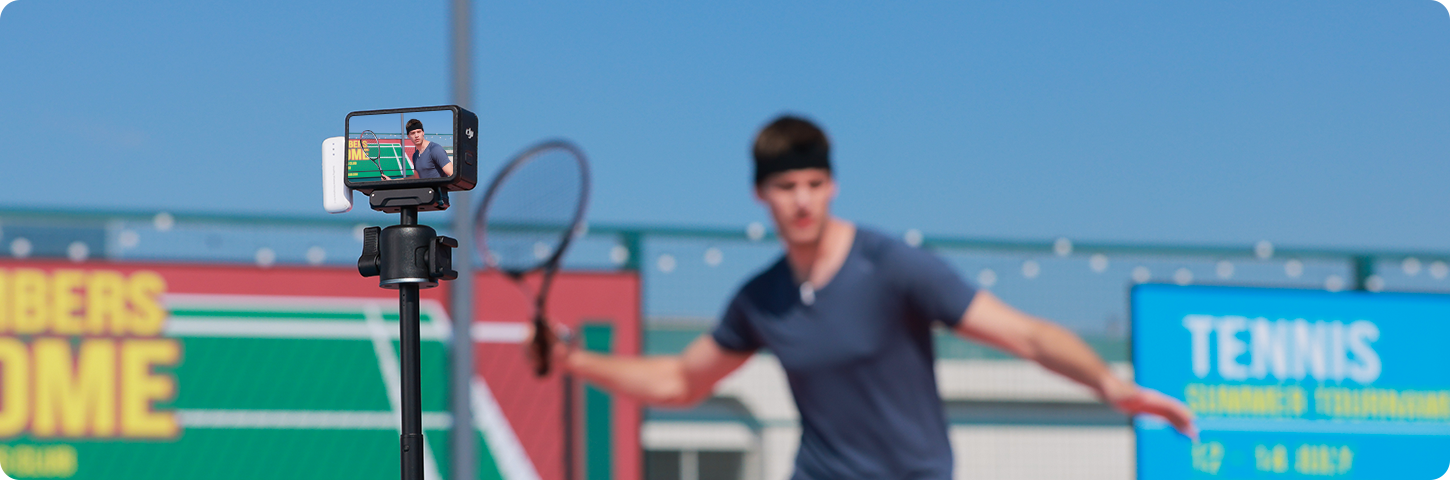
Shotgun mics capture sound from one direction, blocking side noise. Lavalier mics clip to your shirt for consistent voice levels. Wireless systems give you the freedom to move away from the camera. For action sports, shotgun mics work better because lavs pick up clothing rustling. For interviews or vlogs, lavs sound cleaner.
Wired vs Wireless Systems
Wired action camera microphone attachment options connect through 3.5mm jacks or USB-C, depending on your camera. They're reliable, but the cable gets in the way during movement. Wireless systems cost more than basic wired options (pricing varies a lot by brand/features), but eliminate cable issues. The tradeoff is battery management—now you're charging the mic transmitter and receiver separately.
Wind Protection Essentials
Foam windscreens come with most mics, but barely help. Furry "dead cat" covers reduce wind noise significantly and cost anywhere from “budget” to “premium” depending on size/brand. In high-wind situations, even dead cats struggle—consider a blimp-style windscreen, though these are bulky for action cameras.
Adapter Requirements
GoPros need a media mod or third-party adapter for external mics. DJI Osmo cameras often include 3.5mm jacks built in. Insta360 cameras vary by model—check your specific model's audio input options before buying camera accessories.
What Camera Light Options Actually Help in Low Light?
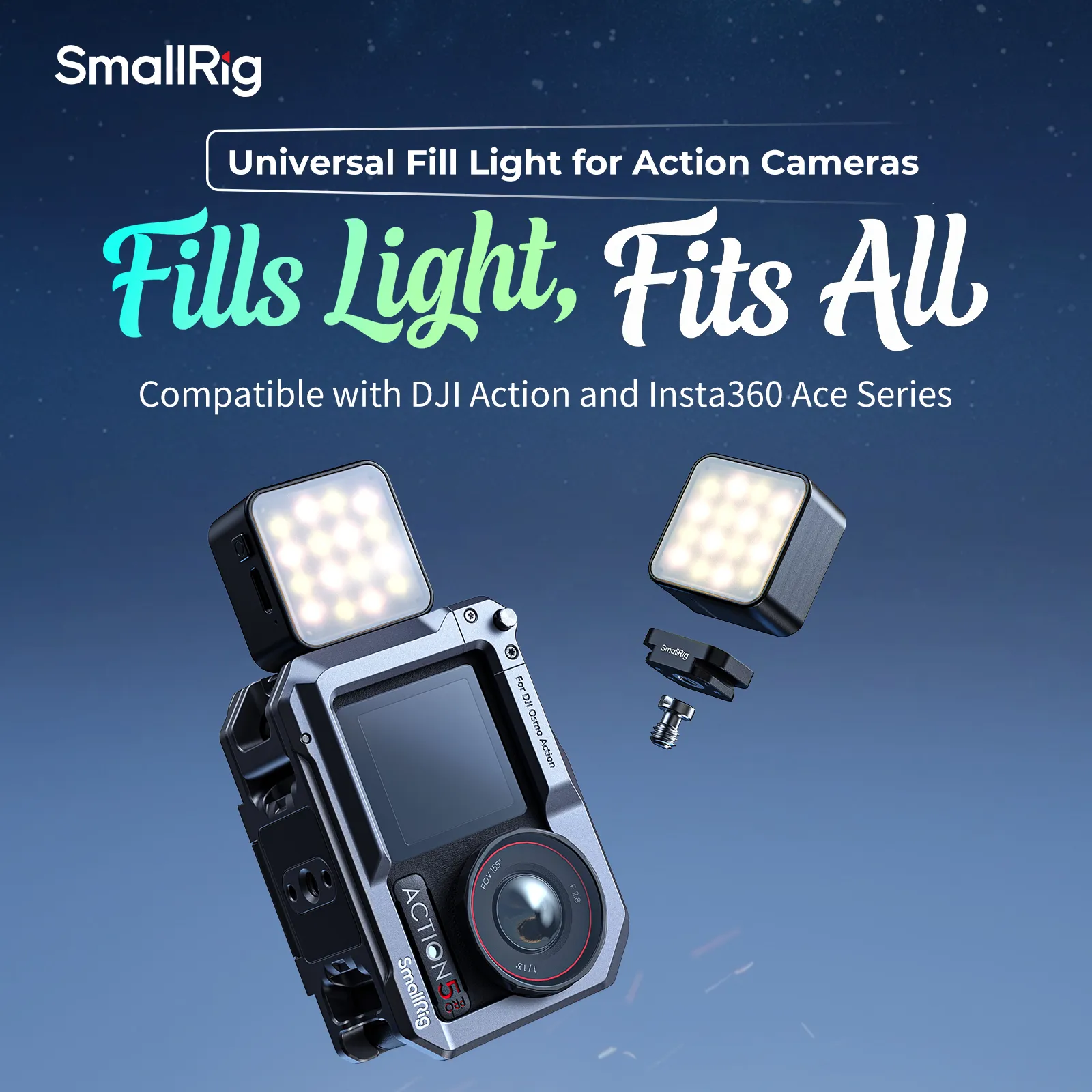
Action cameras perform poorly in dim conditions. Adding light improves image quality more than any software setting adjustment. Small LED panels designed for action cameras provide enough illumination without requiring separate power sources.
Portable LED Light Specifications
Look for lights with around 200 lumens or more if you want a clearly noticeable on-camera fill light. Anything less barely registers in your footage. Adjustable brightness (multiple levels are common) lets you balance exposure without blowing out subjects. Most camera light models use rechargeable batteries lasting from about an hour to several hours, depending on brightness level and battery size.

Waterproof Ratings for Action Use
If your camera can get wet, your light should too. IP67 or IP68 ratings mean submersion protection. Lower ratings, like IP54, only handle splashes. Check the depth rating if you're diving—some "waterproof" lights only work to around 1 meter for about 30 minutes (IP67 baseline), while dedicated dive lights specify deeper/longer limits set by the manufacturer.
Color Temperature Control
Fixed daylight (5600K) lights work for most situations. Adjustable temperature (3200K-5600K) lets you match ambient lighting, preventing the blue/orange color casts that look amateur. This feature adds cost but improves footage quality when shooting indoors or during sunrise/sunset.
Power and Runtime
USB-C rechargeable lights are convenient but require cables and power banks. Replaceable battery models (CR123A or AA) let you swap fresh batteries in seconds. Runtime varies wildly—budget “roughly an hour or two at max brightness” as a planning assumption, then check your model’s spec sheet for real numbers.
How Do Multiple Camera Accessories Work Together?
Mounting several accessories simultaneously requires planning. Weight distribution, cable management, and accessibility all matter when you're stacking gear.
Cage and Tripod Combinations
Start with the cage, then add the tripod. Cages provide stable mounting points that won't strip out as camera body threads can. The cage's multiple mount points mean you're not limited to bottom-mounting—side-mount your tripod if it improves balance or lens access.
Microphone and Light Positioning
Mount microphones as close to the sound source as practical while keeping them out of frame. The lights go on the opposite side for separation. If shooting yourself, put the mic on top and the light slightly above eye level on either side. For action shots, both usually go on top to avoid bumping obstacles.
Weight Distribution Tips
Front-heavy rigs tip over easily. Balance accessories around the camera's center of gravity. If adding a heavy light to one side, put the mic on the other. Use the lightest versions of each accessory that still meet your needs—ounces add up quickly.
Compact Accessory Kits
Pre-assembled kits often include mismatched quality—great cage, terrible light. Build your own kit by choosing each component individually. You'll spend more initially, but avoid replacing junk parts later.
A practical example: start with a SmallRig cage as the “hub,” then add a cold-shoe adapter (for mic/light placement) and a tripod—so you’re building around standard 1/4"-20 + cold shoe points instead of getting locked into one-off mounts.
FAQ
Q1. Do Cheap Camera Accessories Break Easily or Perform Poorly?
Price often reflects durability rather than functionality. A “low-cost” gopro tripod holds your camera just as steady as a more expensive one—until you drop it or use it daily for months. Budget accessories work fine for occasional use or testing whether you need that accessory type before investing in quality versions. The exception is adhesives and mounts that attach to your body or vehicle—always buy name-brand for safety-critical applications. Electronics like microphones and lights show bigger quality differences, with cheap options producing noticeably worse results, not just failing faster.
Q2. Can You Use Camera Accessories From Different Brands Together?
Standard mount points make mixing brands simple. Any 1/4"-20 threaded accessory works with any camera cage or tripod using that mount size. Proprietary mounts like GoPro's three-prong system or DJI's magnetic system limit compatibility, but adapters exist for around $10. Check connection types before buying rather than assuming compatibility. The bigger issue is weight balance when combining heavy accessories with lightweight cages not designed for that load.
Q3. How Many Camera Accessories Can You Mount at Once?
Physical space limits you before weight does. A typical cage offers several cold shoes and multiple threaded mounts. Realistically, you'll use a small handful of accessories maximum—cage, tripod, mic, and light covers most shooting scenarios. Adding more creates cable tangles, blocks ports, and makes the rig awkward to handle. For complex productions, consider using a separate audio recorder and off-camera lighting instead of mounting everything directly. Multiple small lights beat one large light for flexibility, but now you're managing multiple batteries and switches.
Conclusion
Start with a gopro tripod or dji osmo tripod for stability, add a protective cage for durability, then expand into microphones and lighting as your content improves. Match camera accessories to your specific camera model and shooting style rather than buying everything at once. Ready to upgrade your setup? Pick one weakness in your current footage and buy the accessory that fixes it.
Keep Reading
 Best Travel Tripods 2026: Carbon Fiber vs Aluminum — Which Should You Choose?
 Fujifilm X-M5, X-T50 & X-E5 Cages & Cases — SmallRig Complete Guide 2026
 CPL vs ND Filter: What's the Difference and When to Use Each
Related Products from SmallRig